Argentina 2025
Last November I spent 3 weeks in Argentina: 5 days in El Calafate, at the border of Patagonia, and the rest of the time in Buenos Aires.
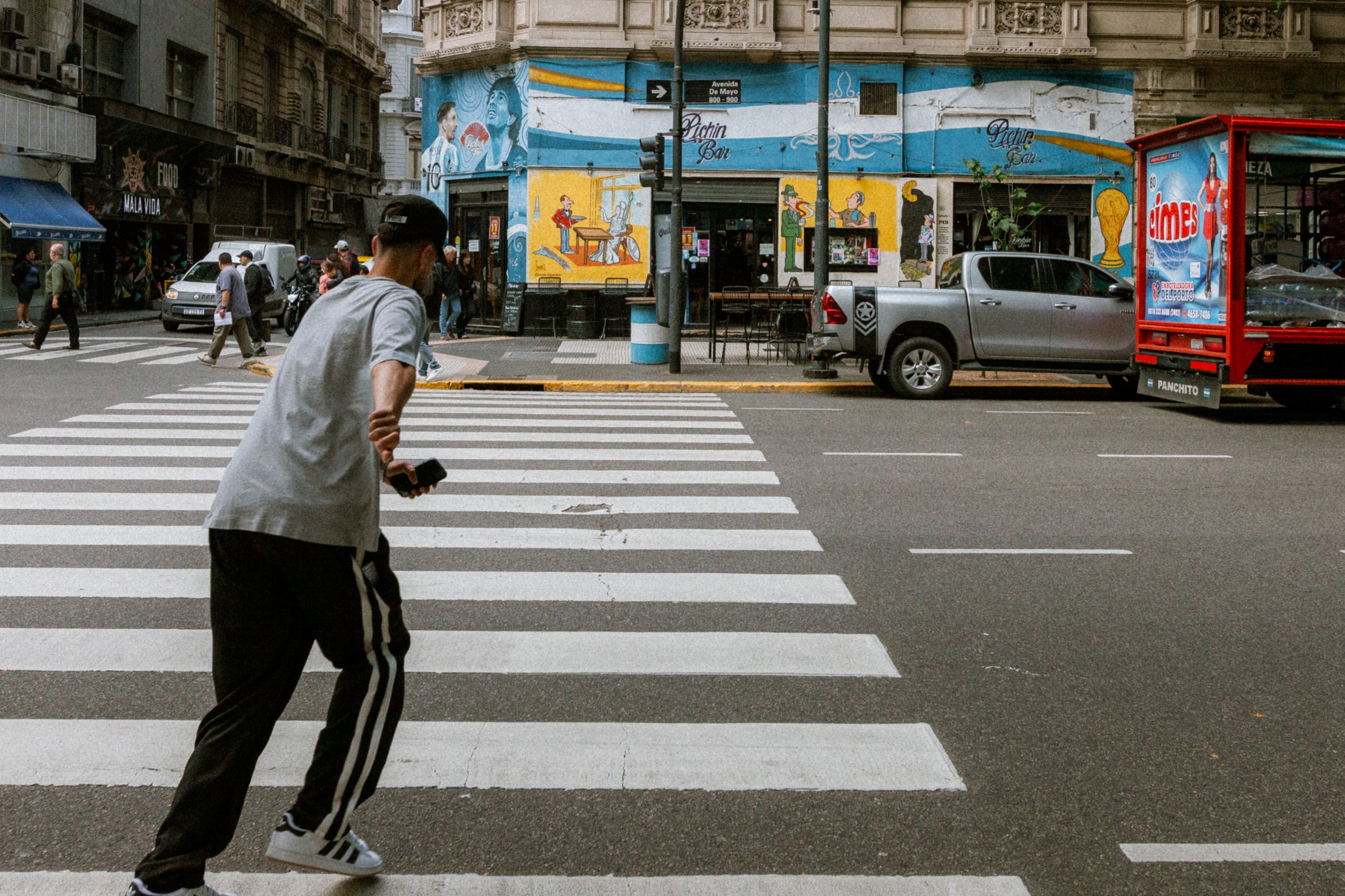
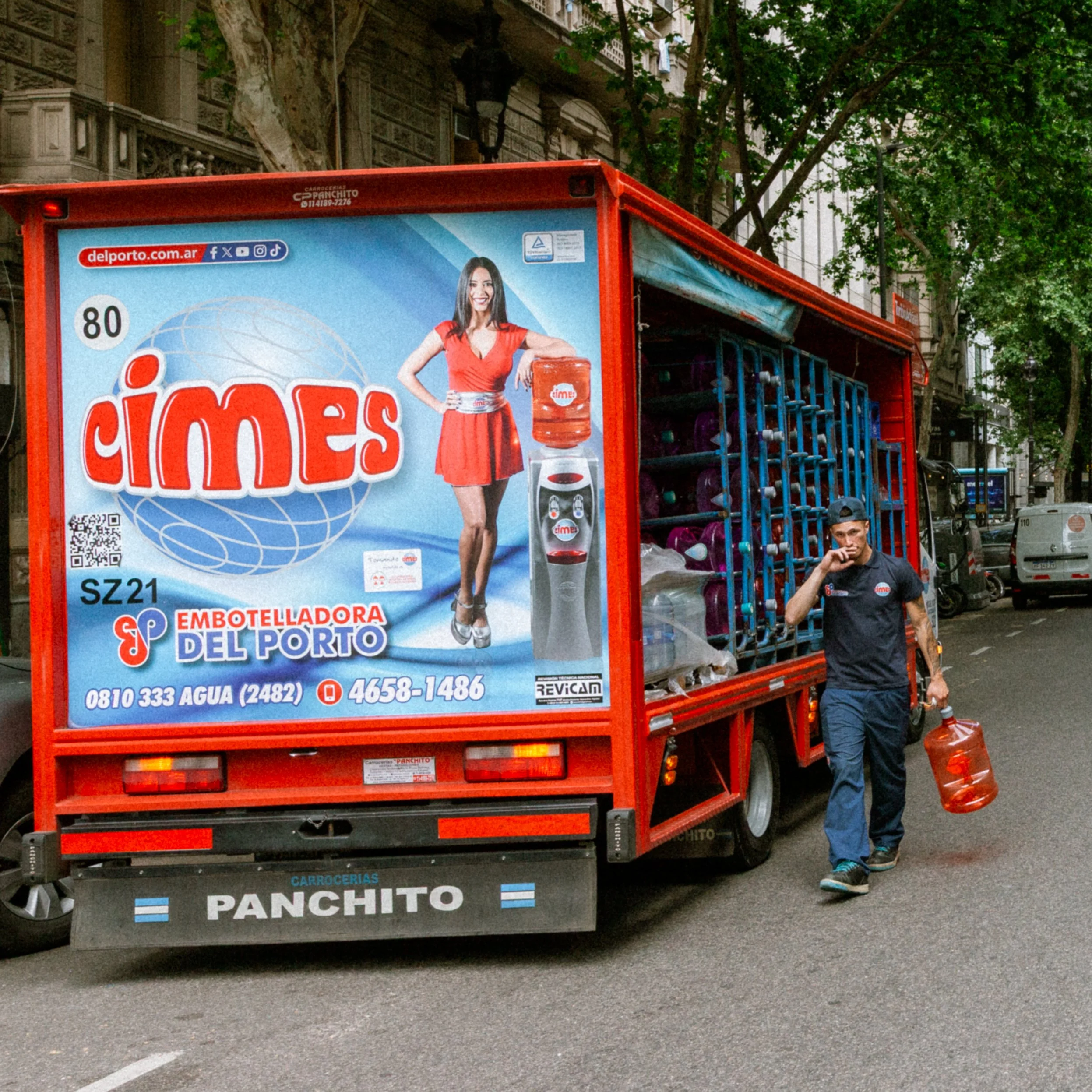
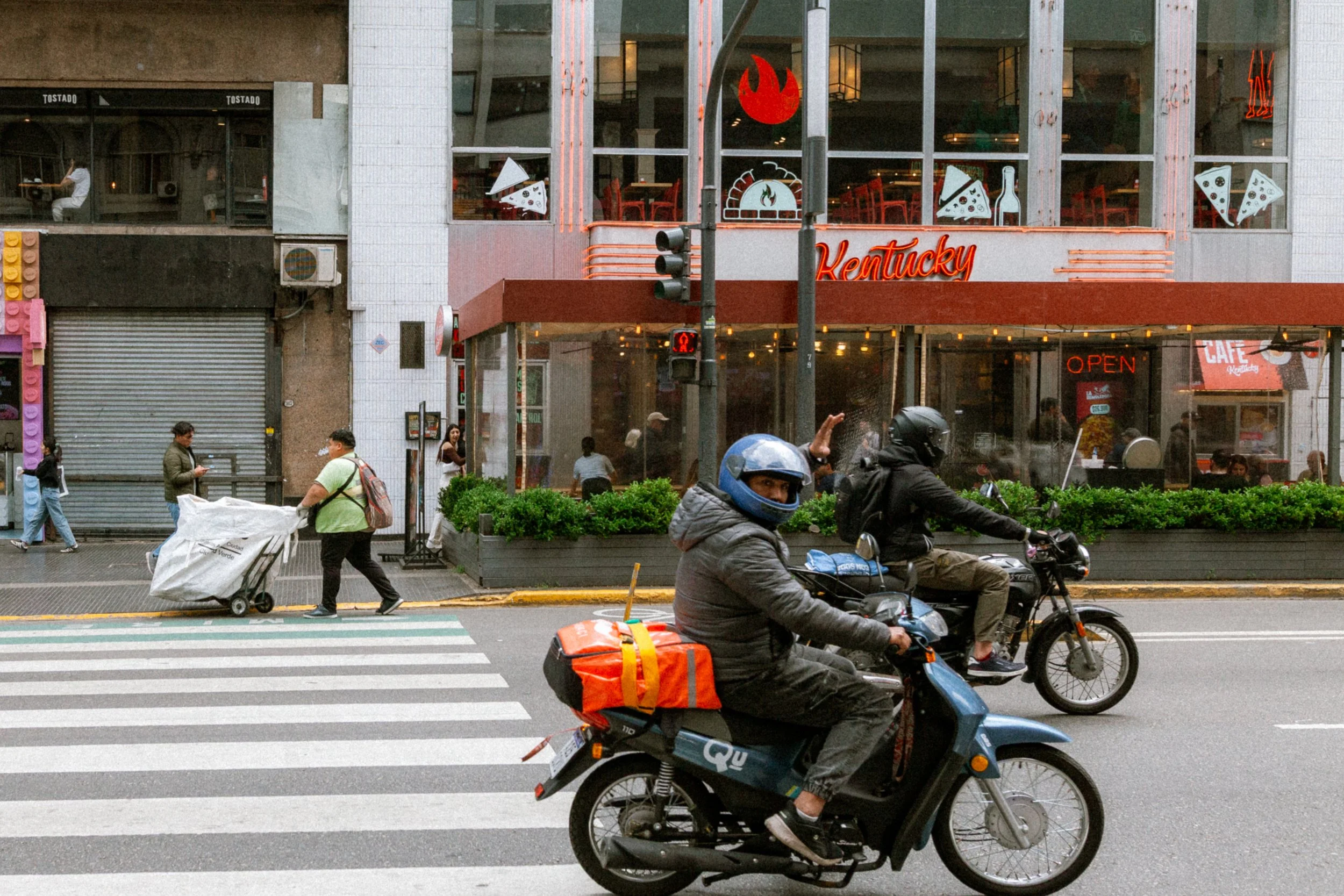
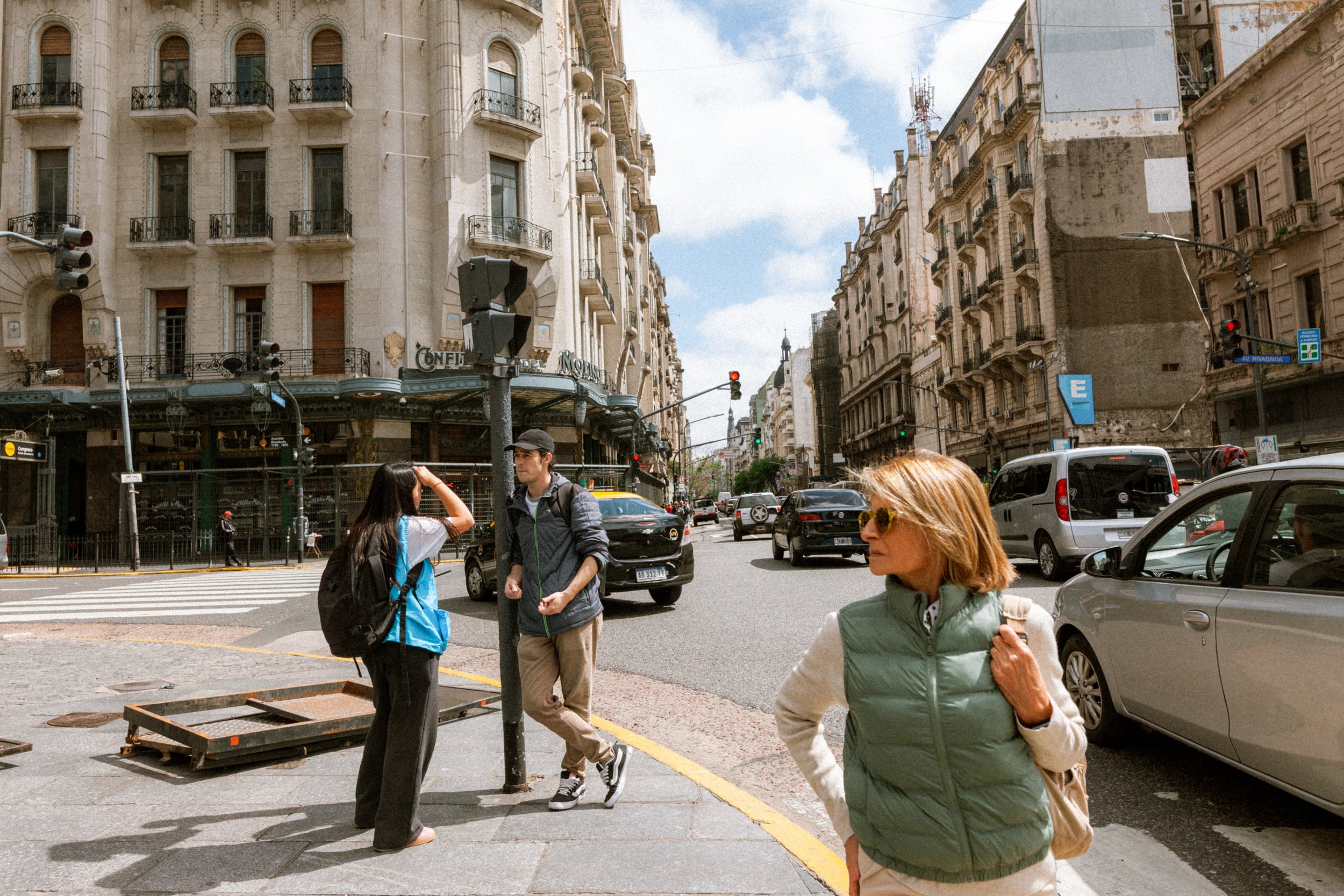
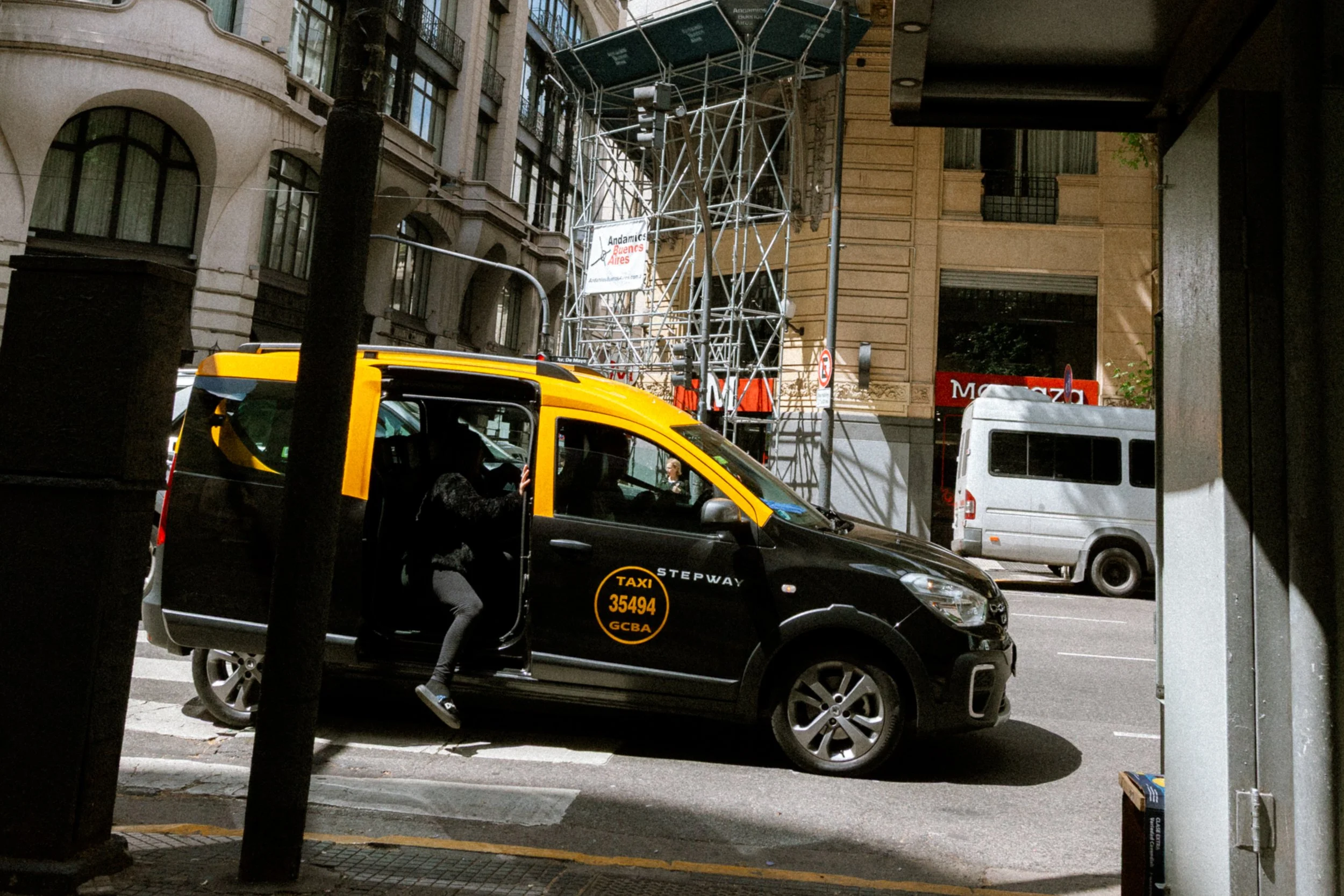
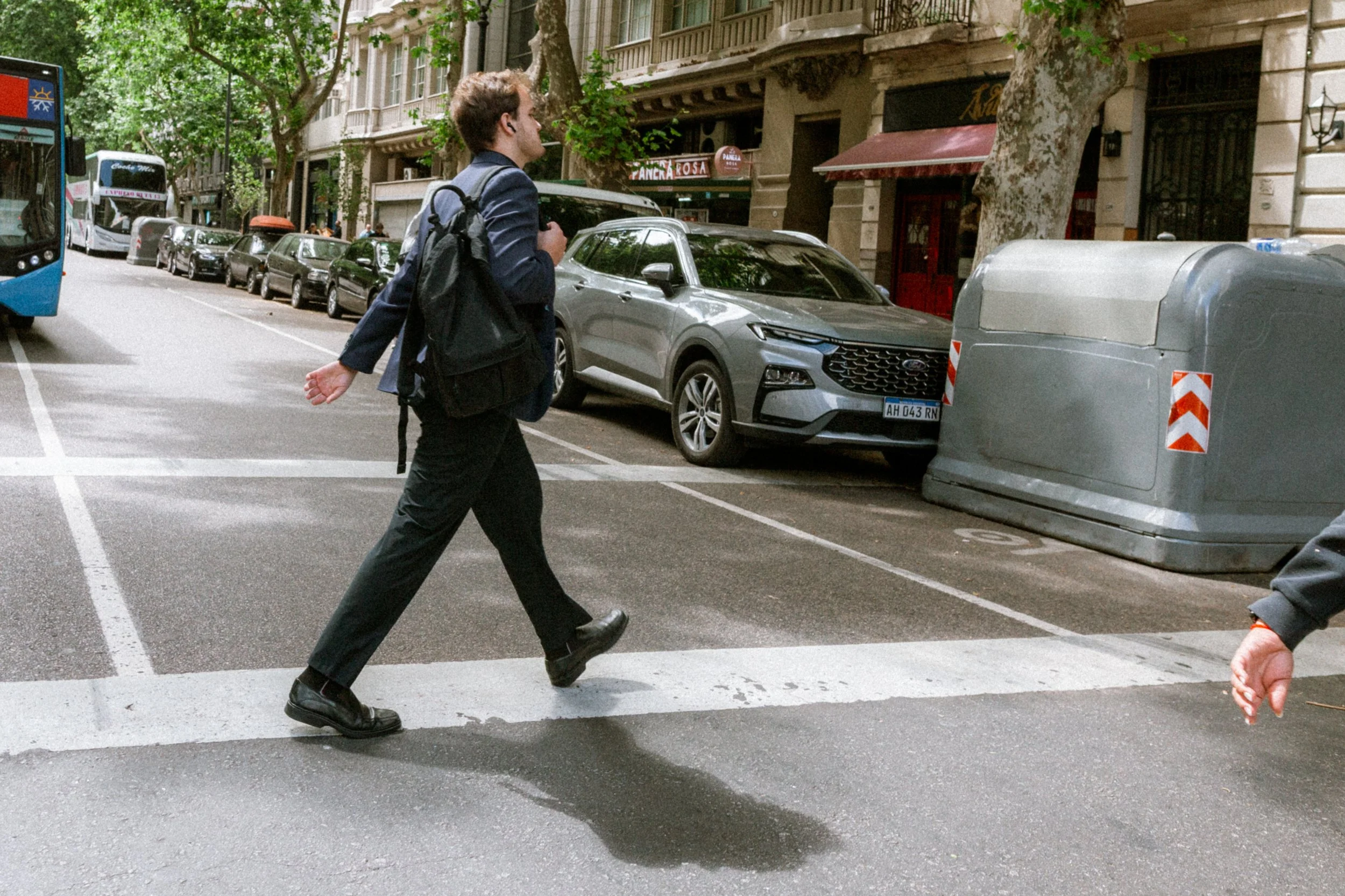
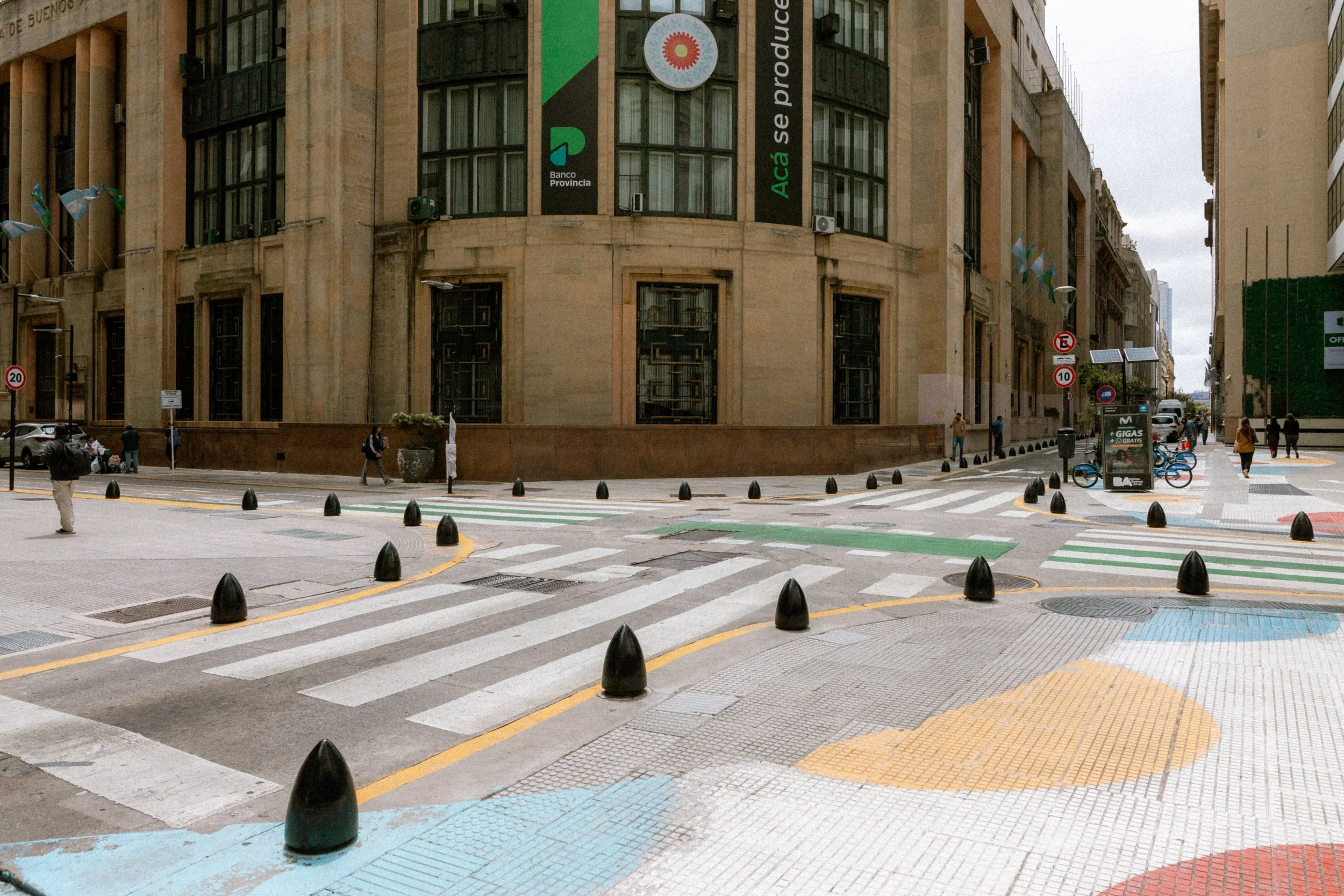
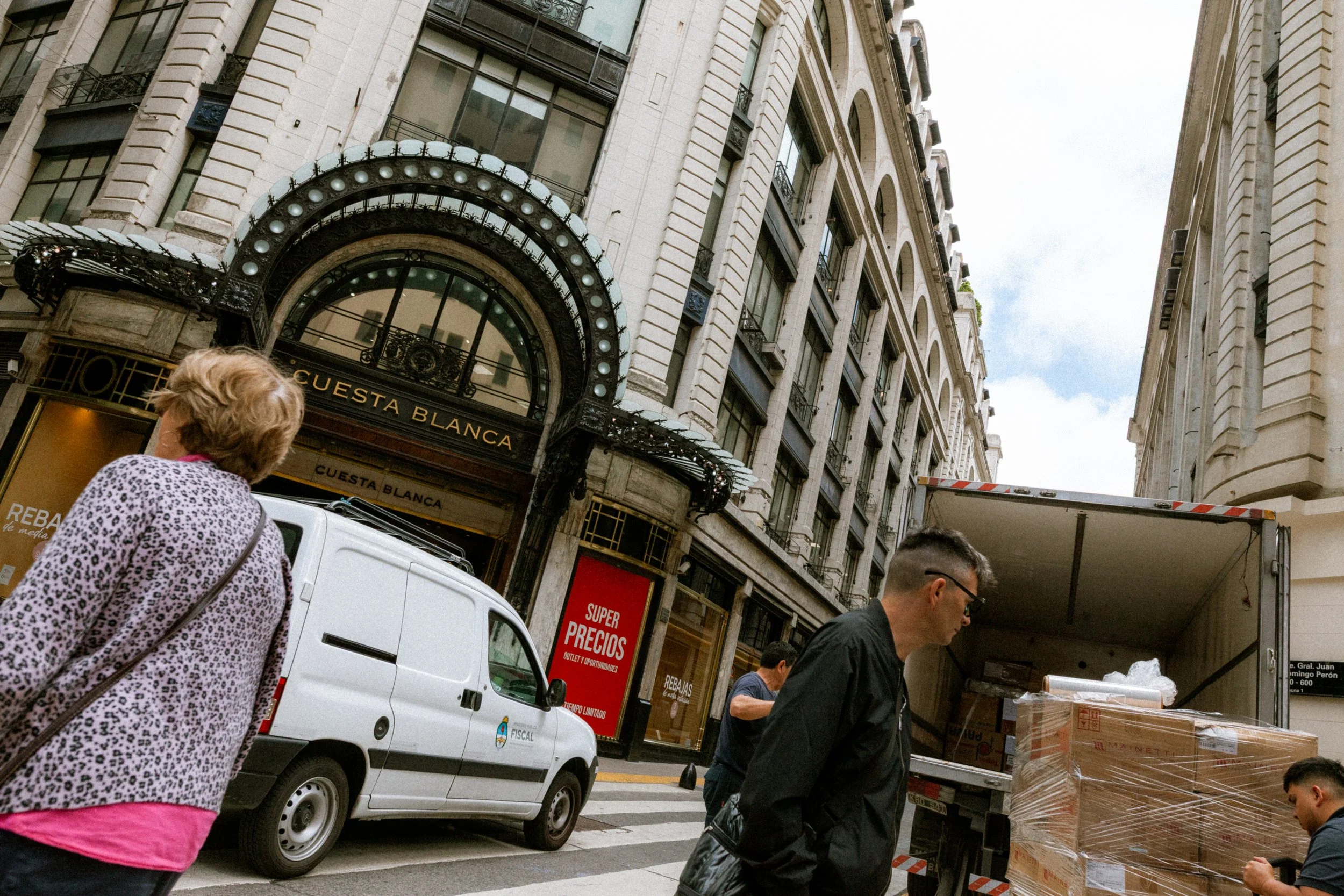
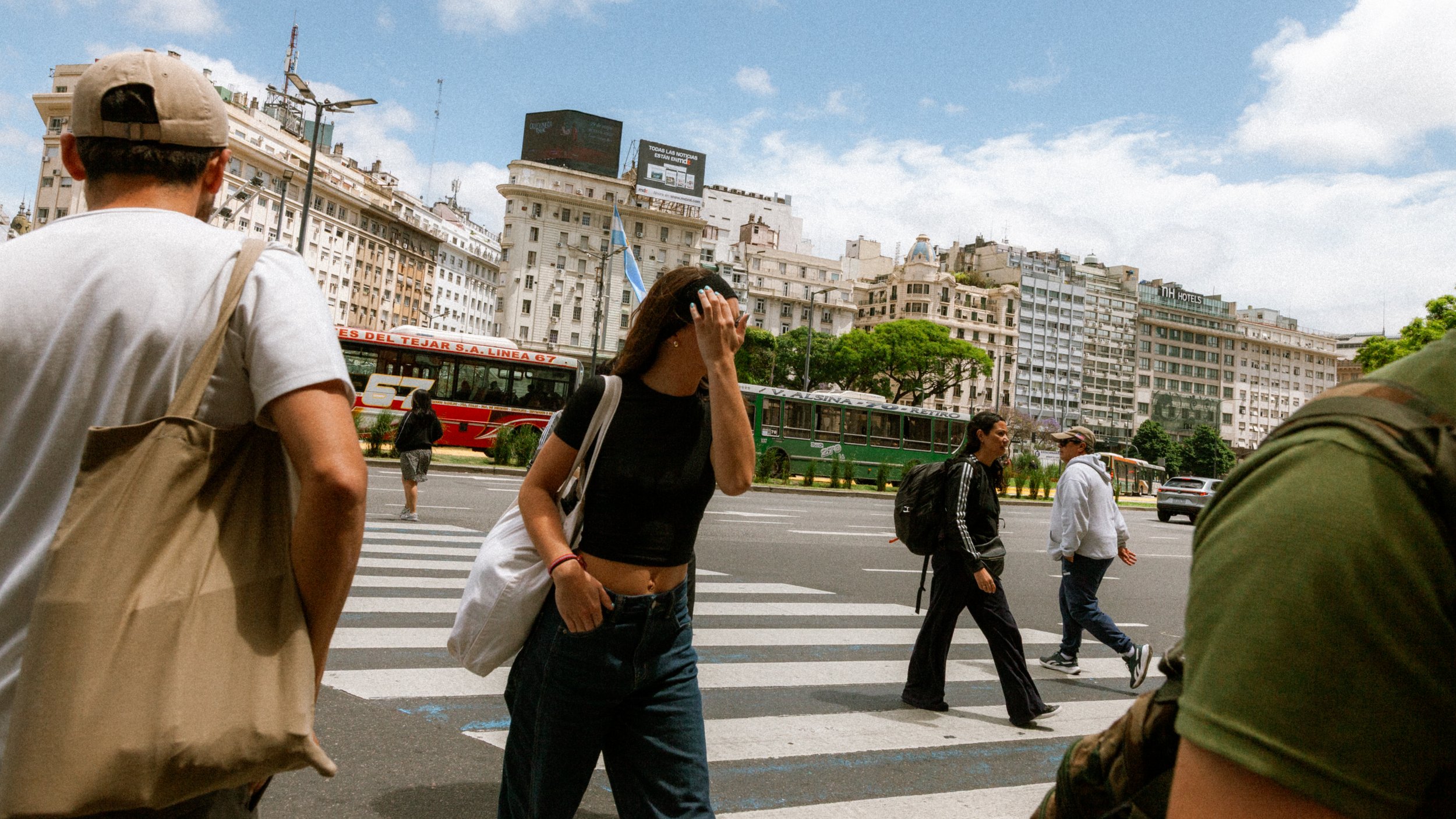
Before the trip, I thought I won’t do your regular street photography: I knew Buenos Aires is very similar, say, to Madrid, so I was looking for a unique angle. I expected people to be open and welcoming so I wanted to approach them more and arrange portrait shots. Instead, I still took a bunch of street photos - as my mentor put it, to “get it out of your system and then focus on what really matters”.
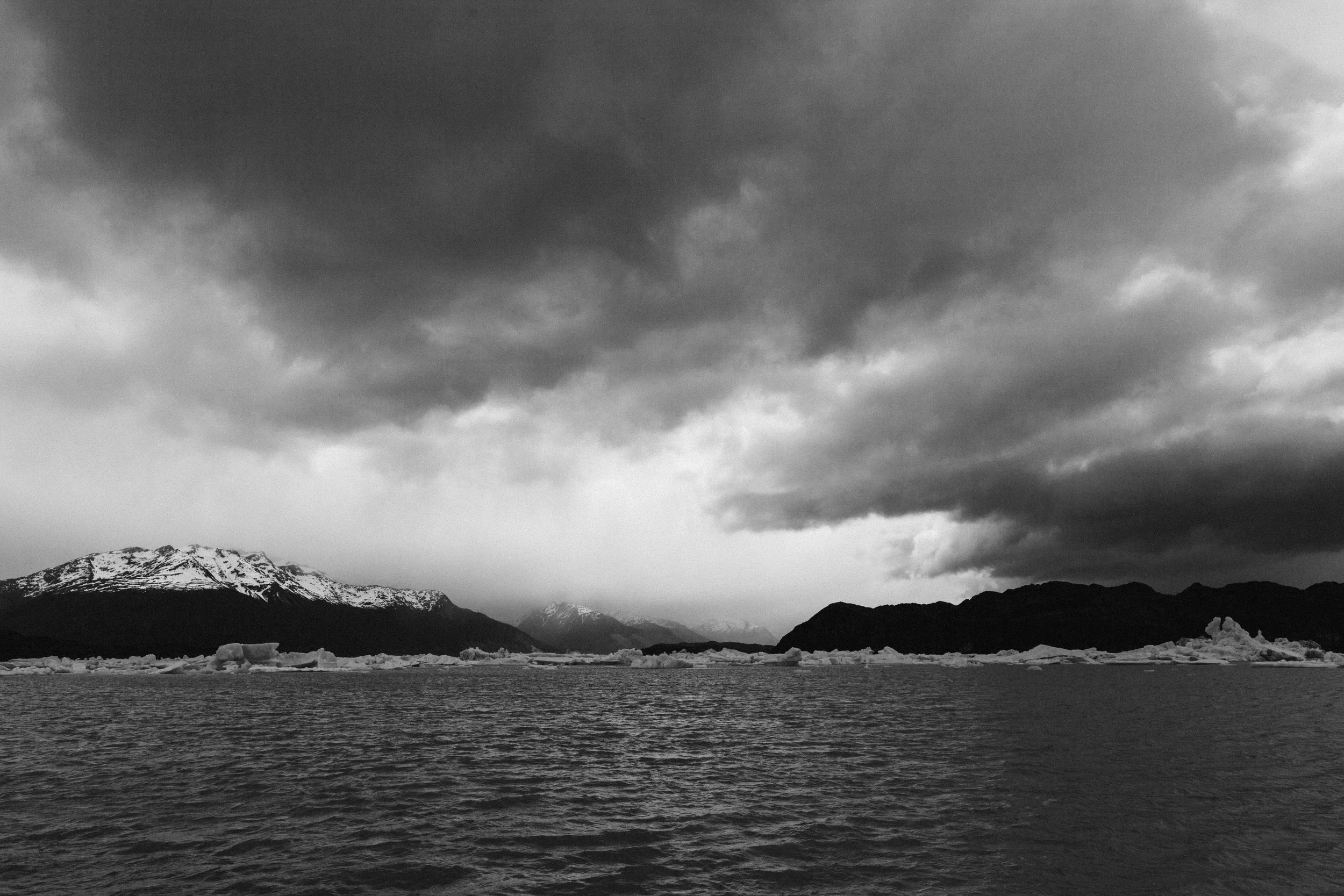
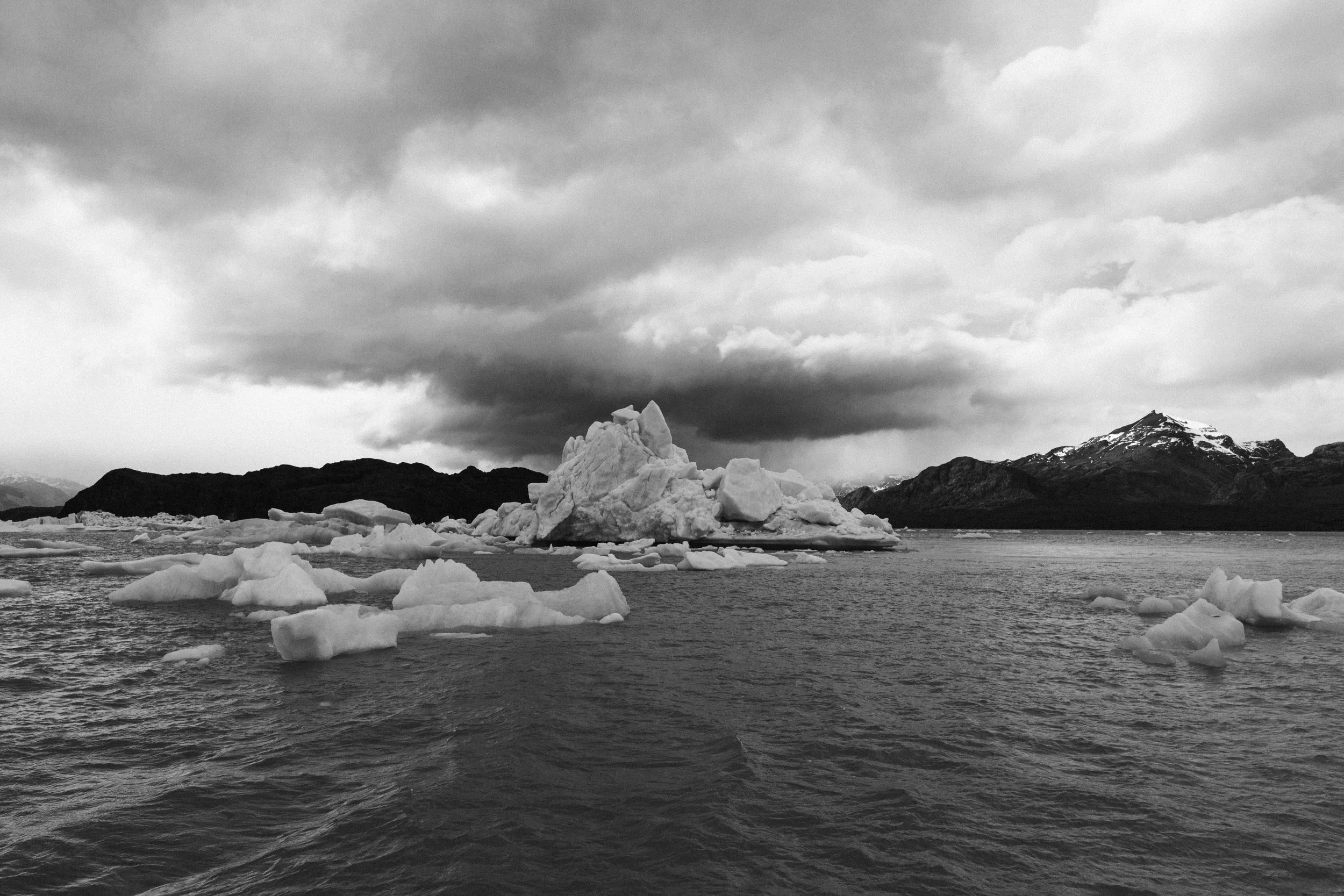
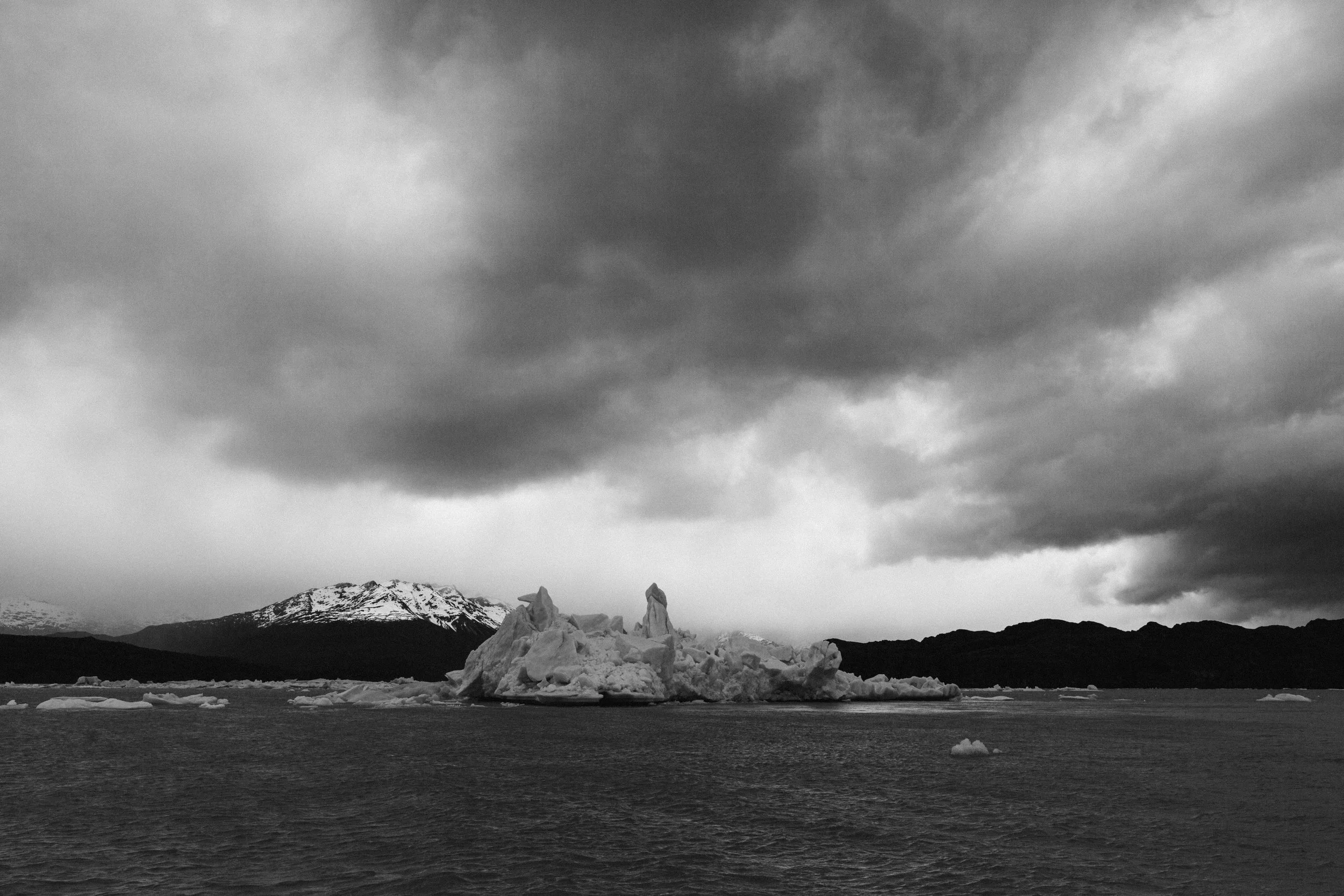
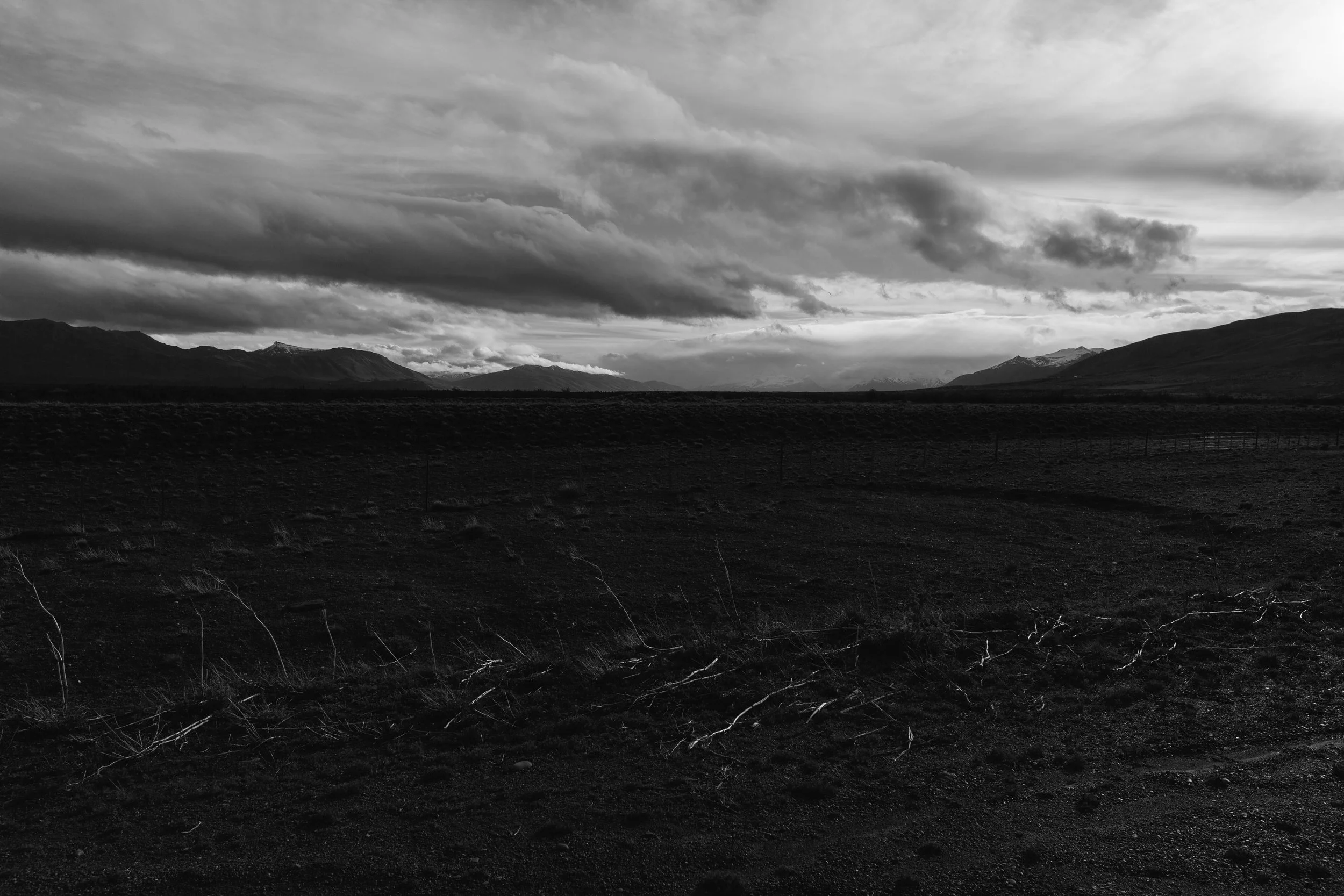
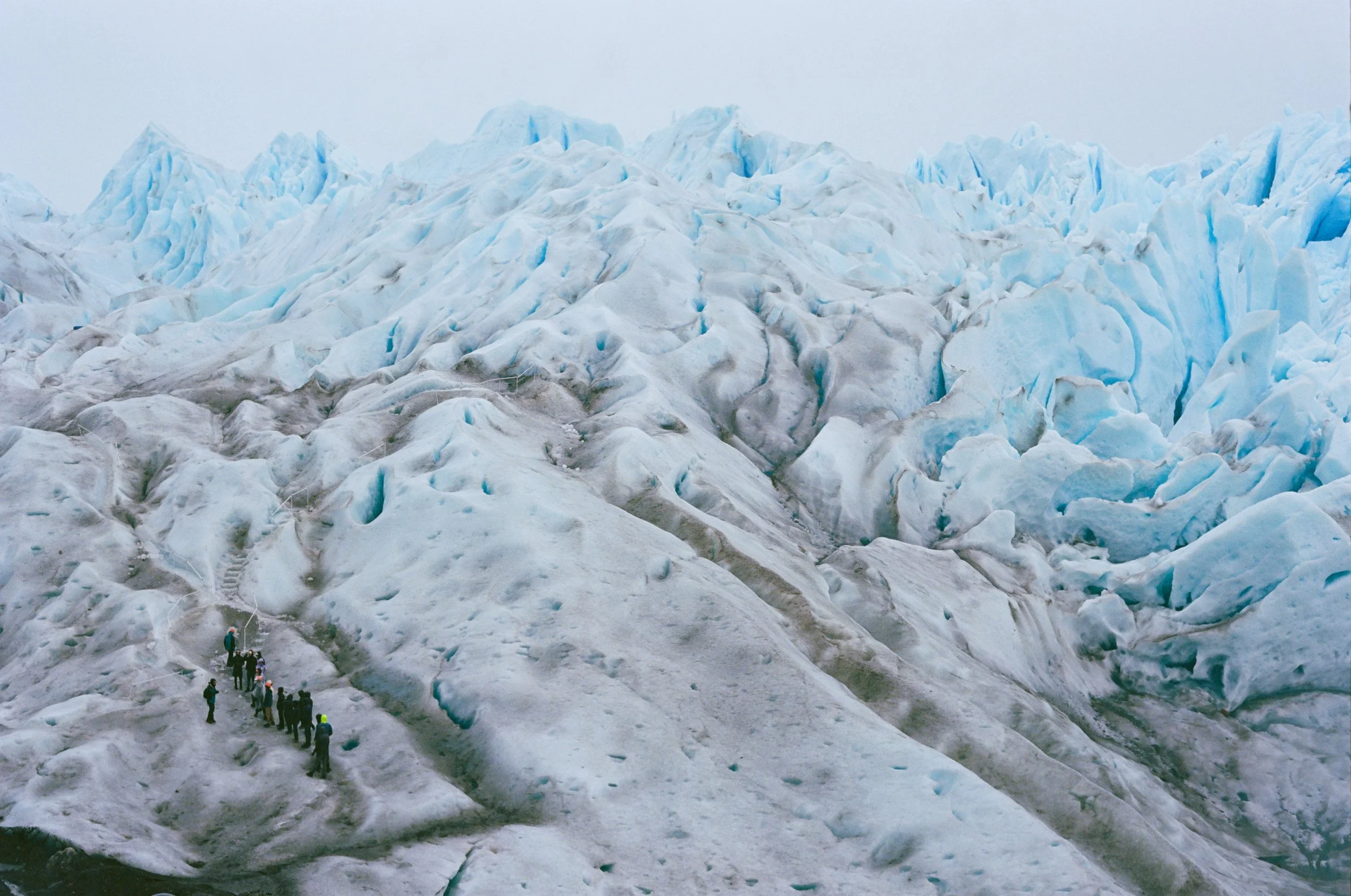
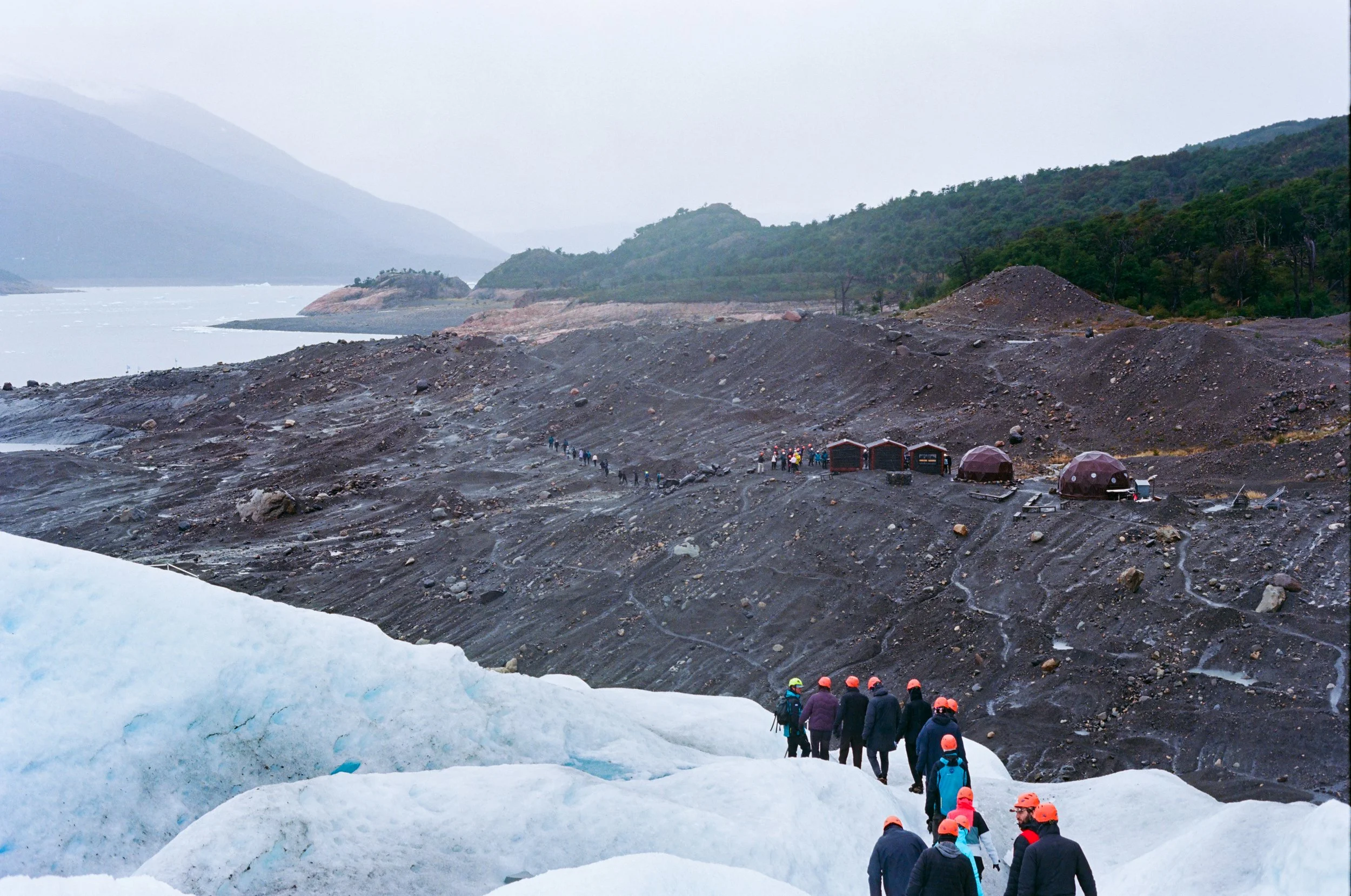
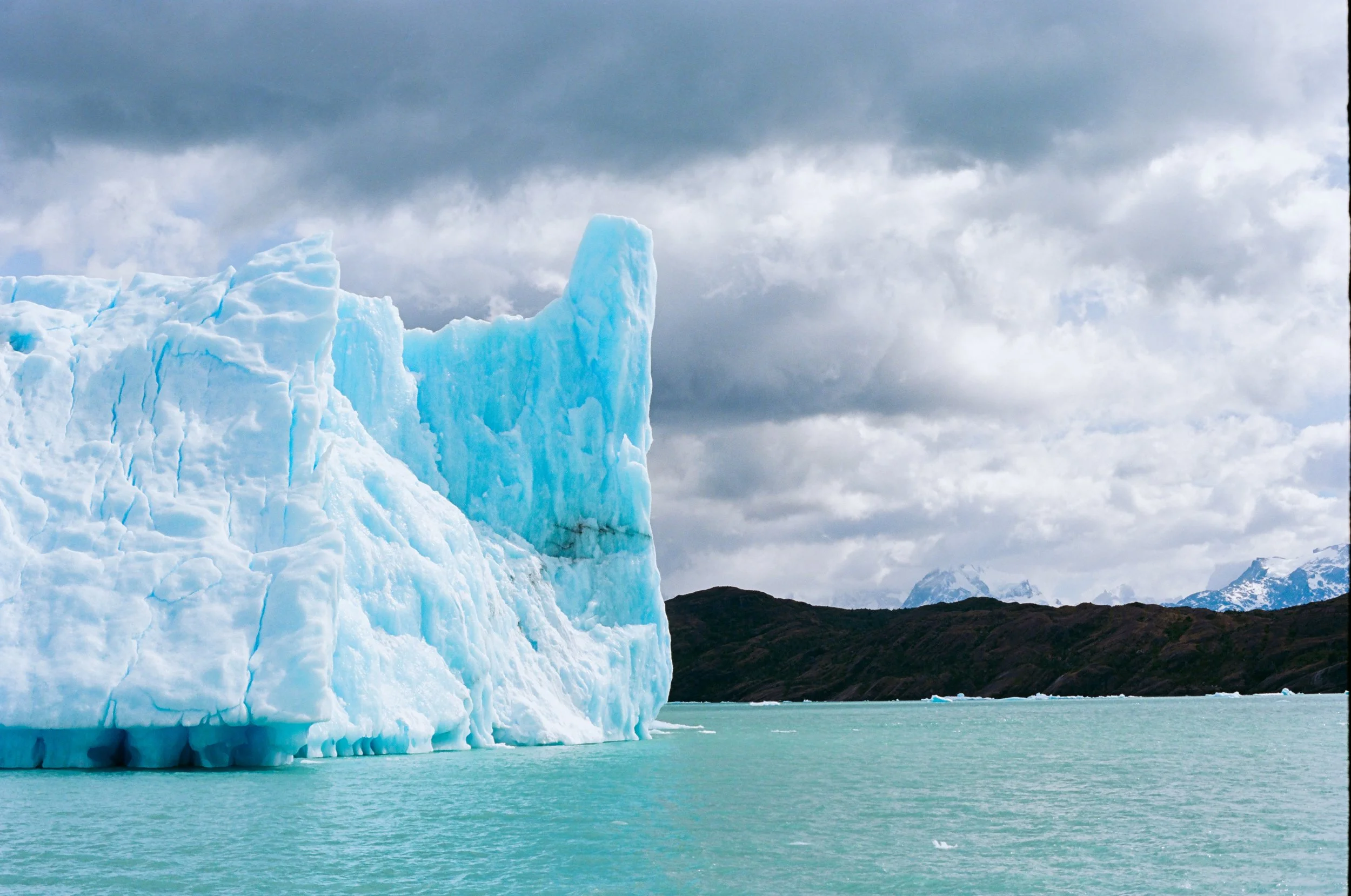
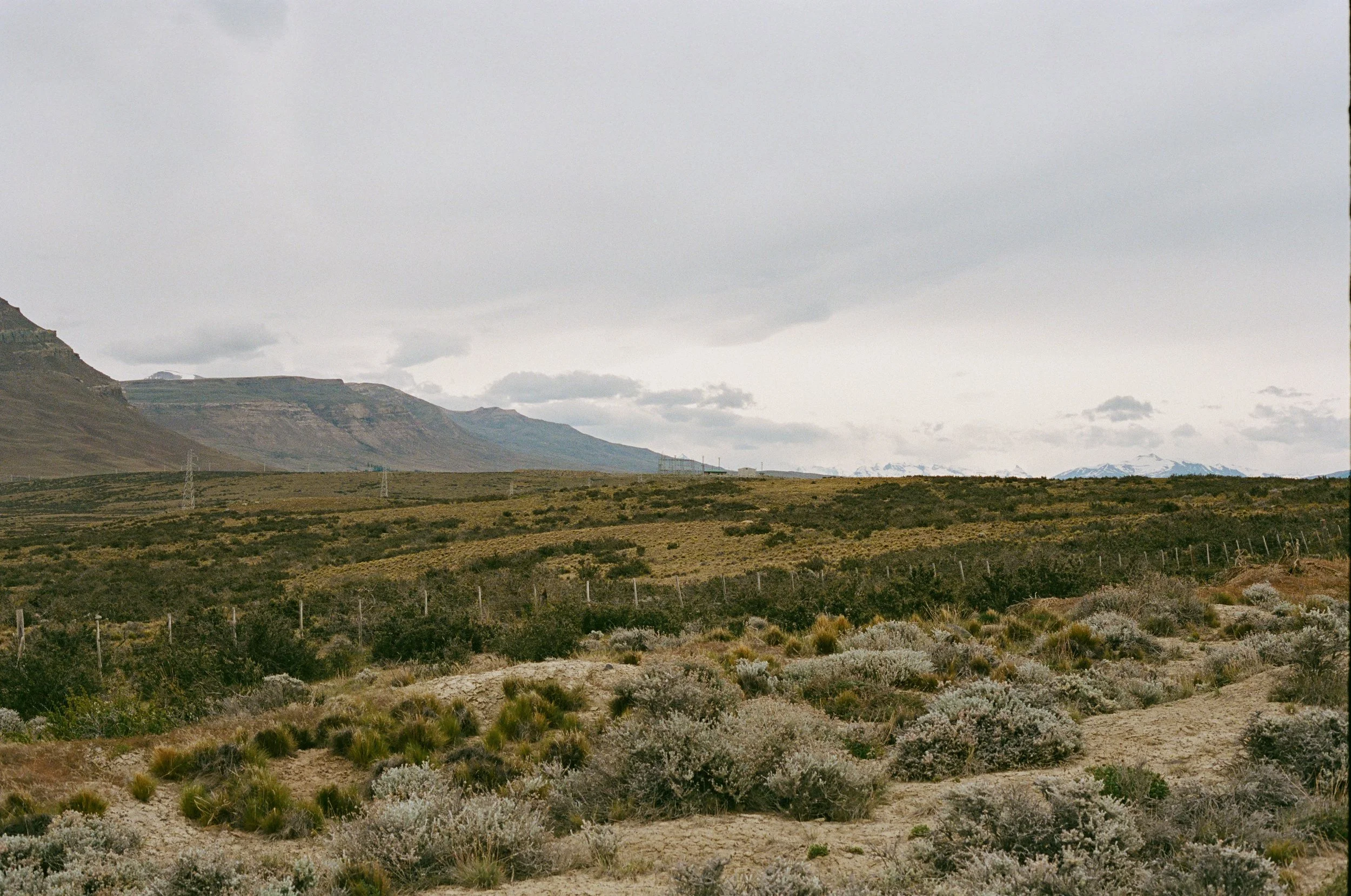
The photos I like the most found me unexpectedly. They were not about the gorgeous Patagonia landscapes but about the tourists there and how they interact with the space. The wind, the rain, the colors, the landscapes, a slight note of absurdity, and a nod to late Martin Parr - all this fell into place.
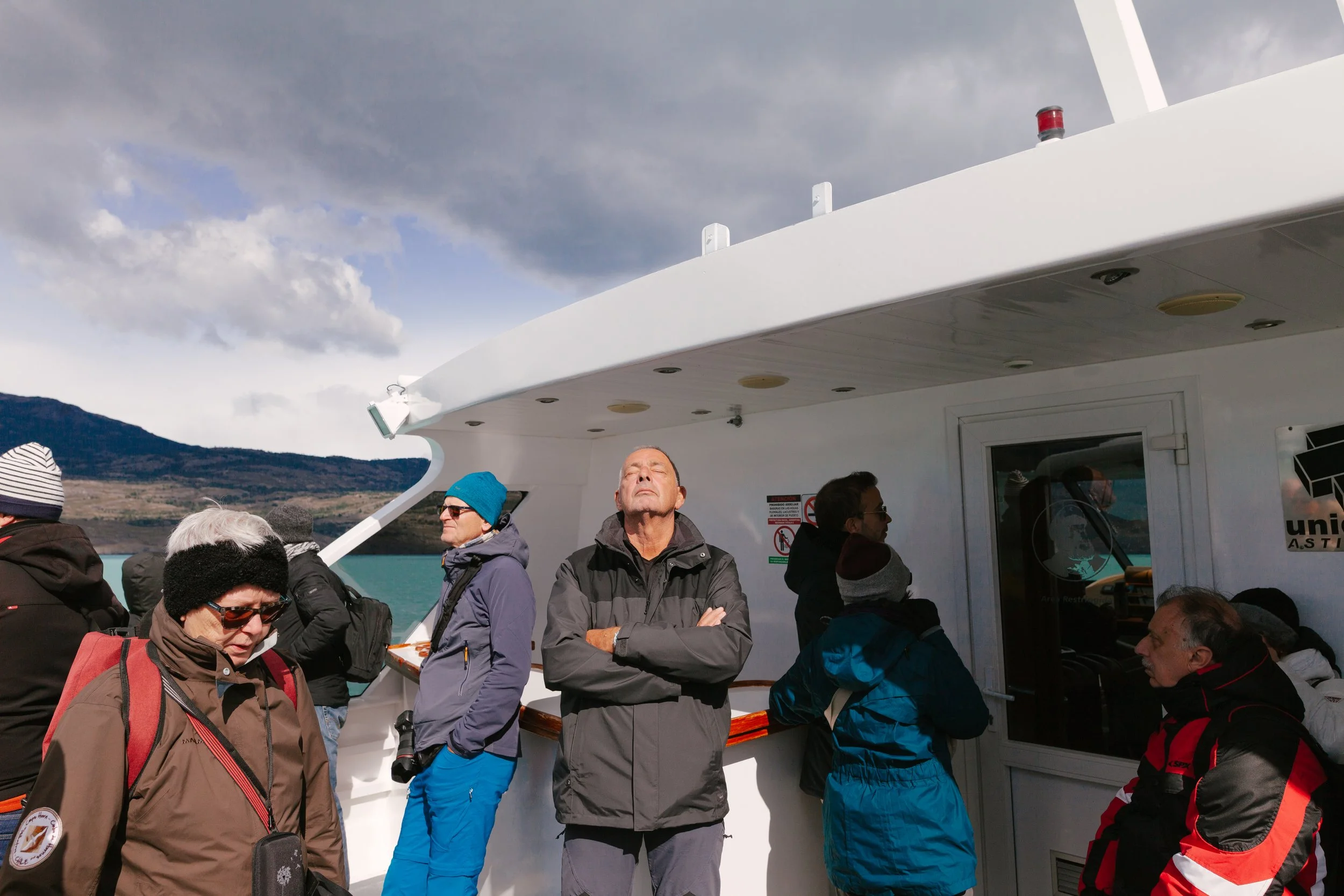
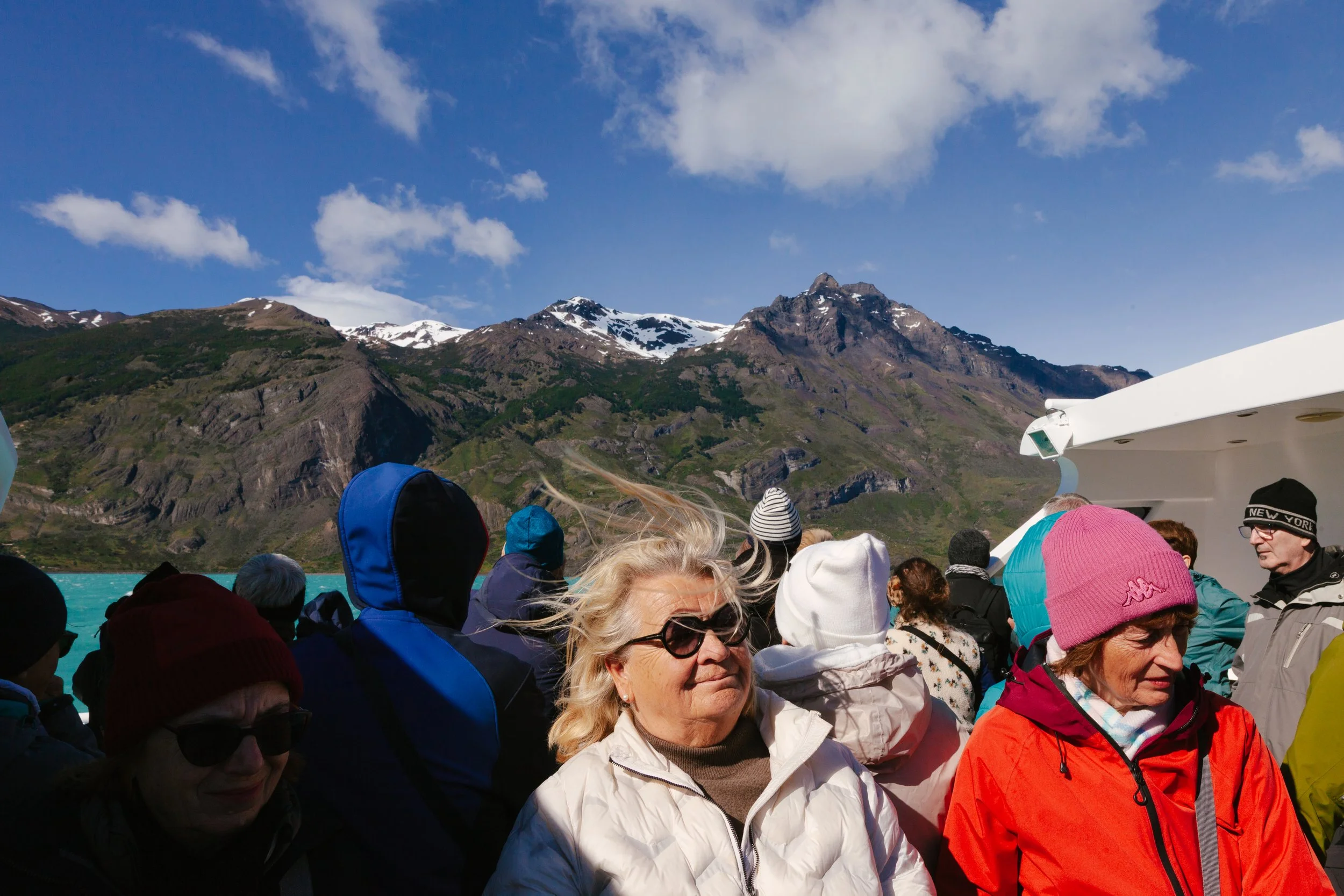
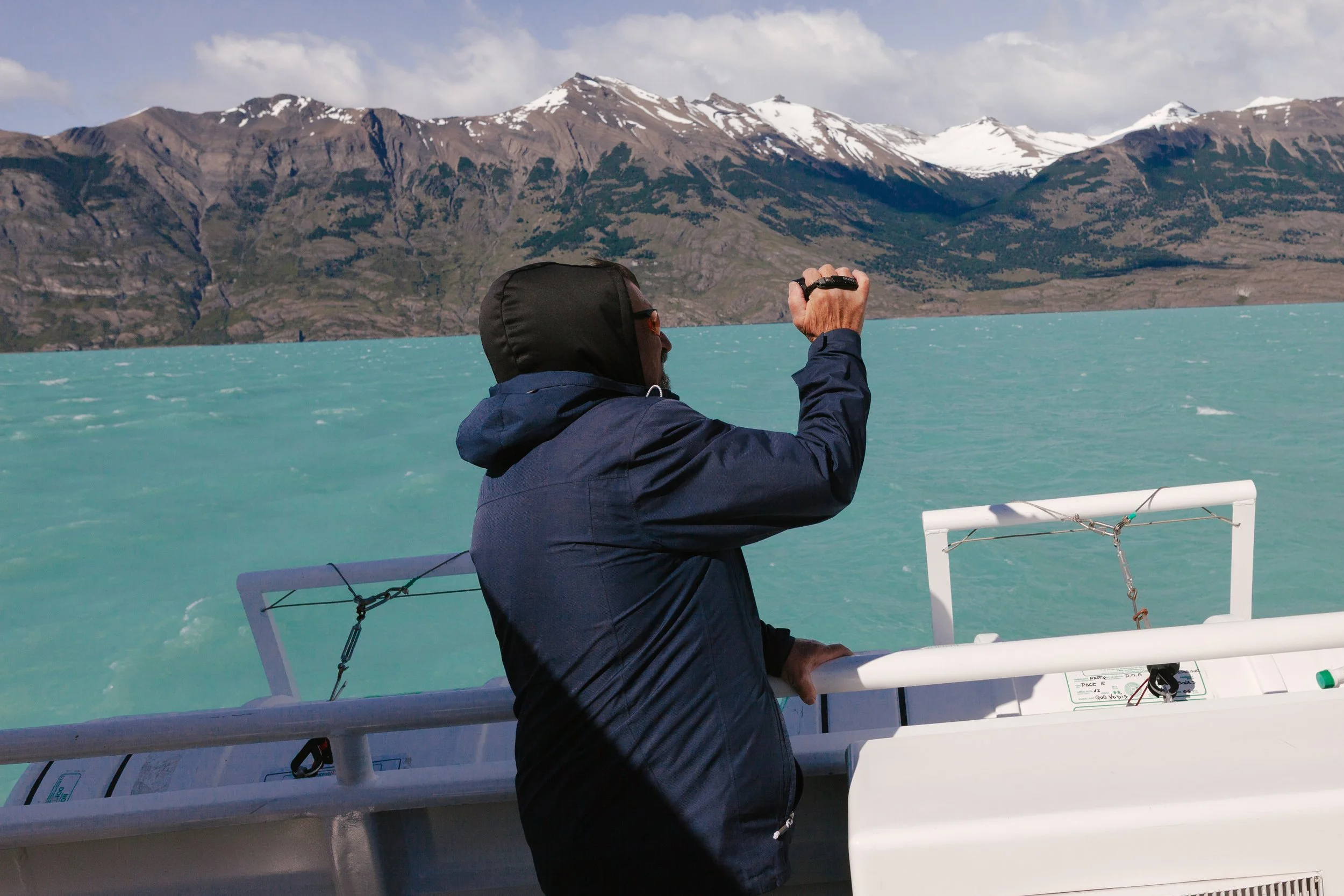
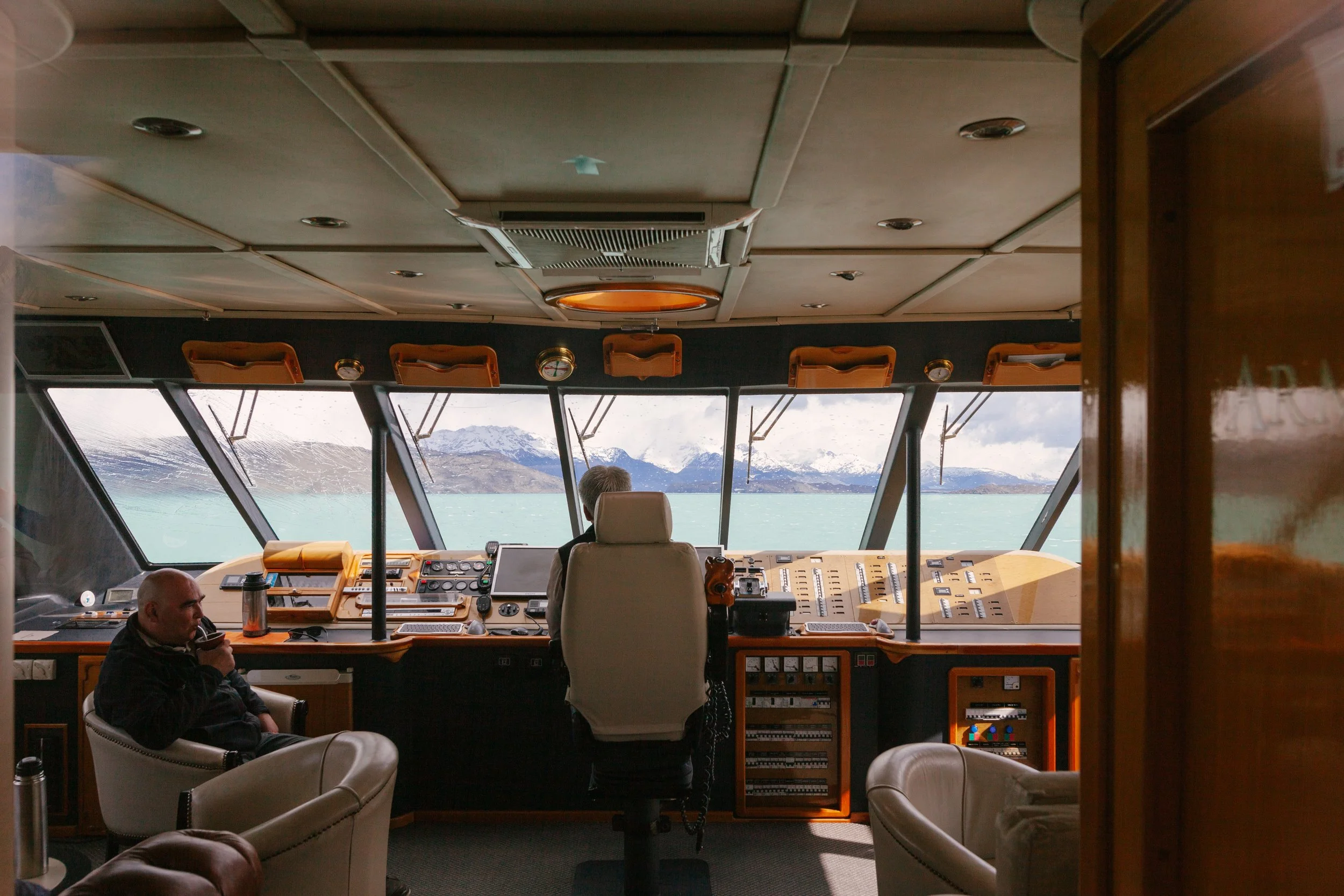
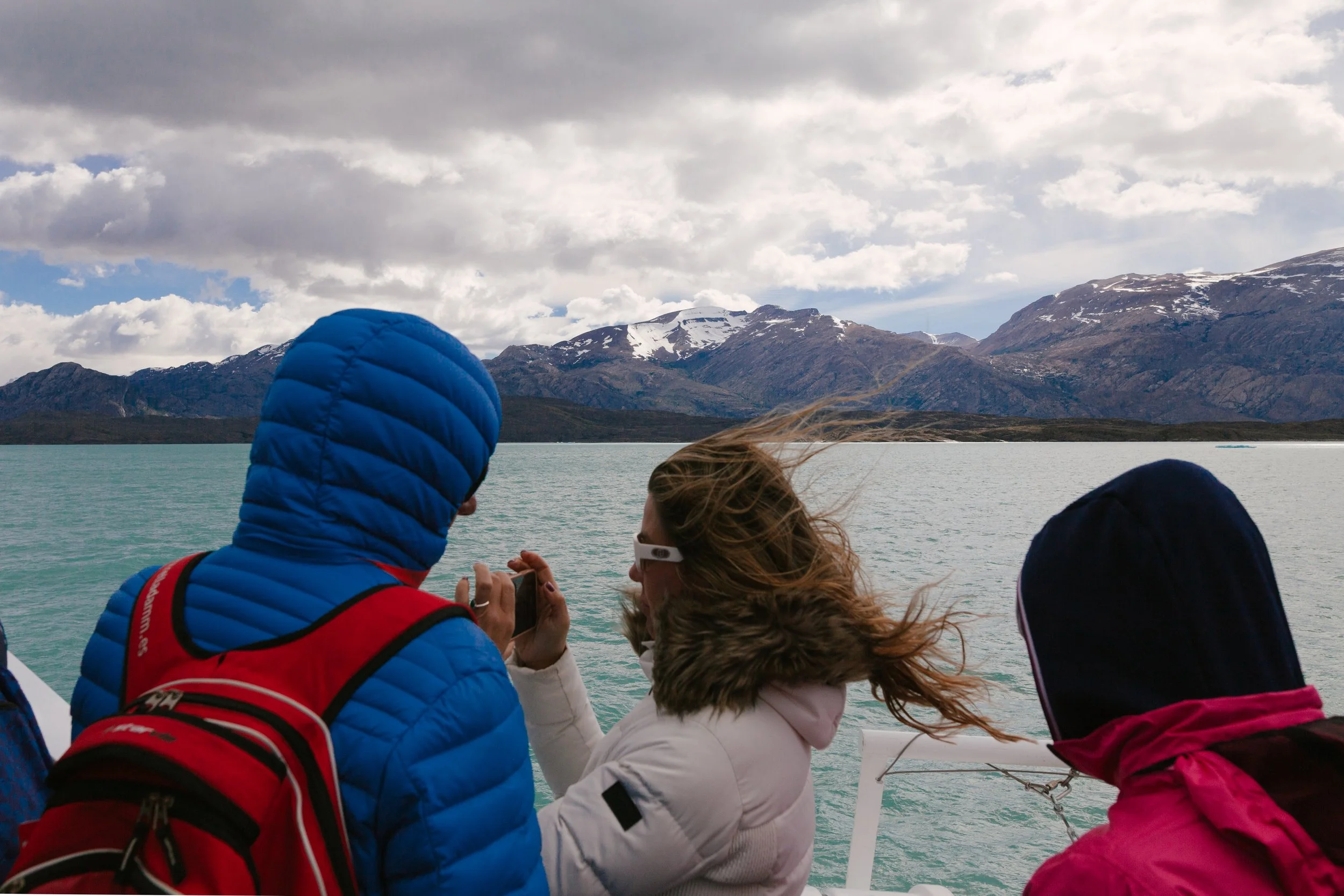
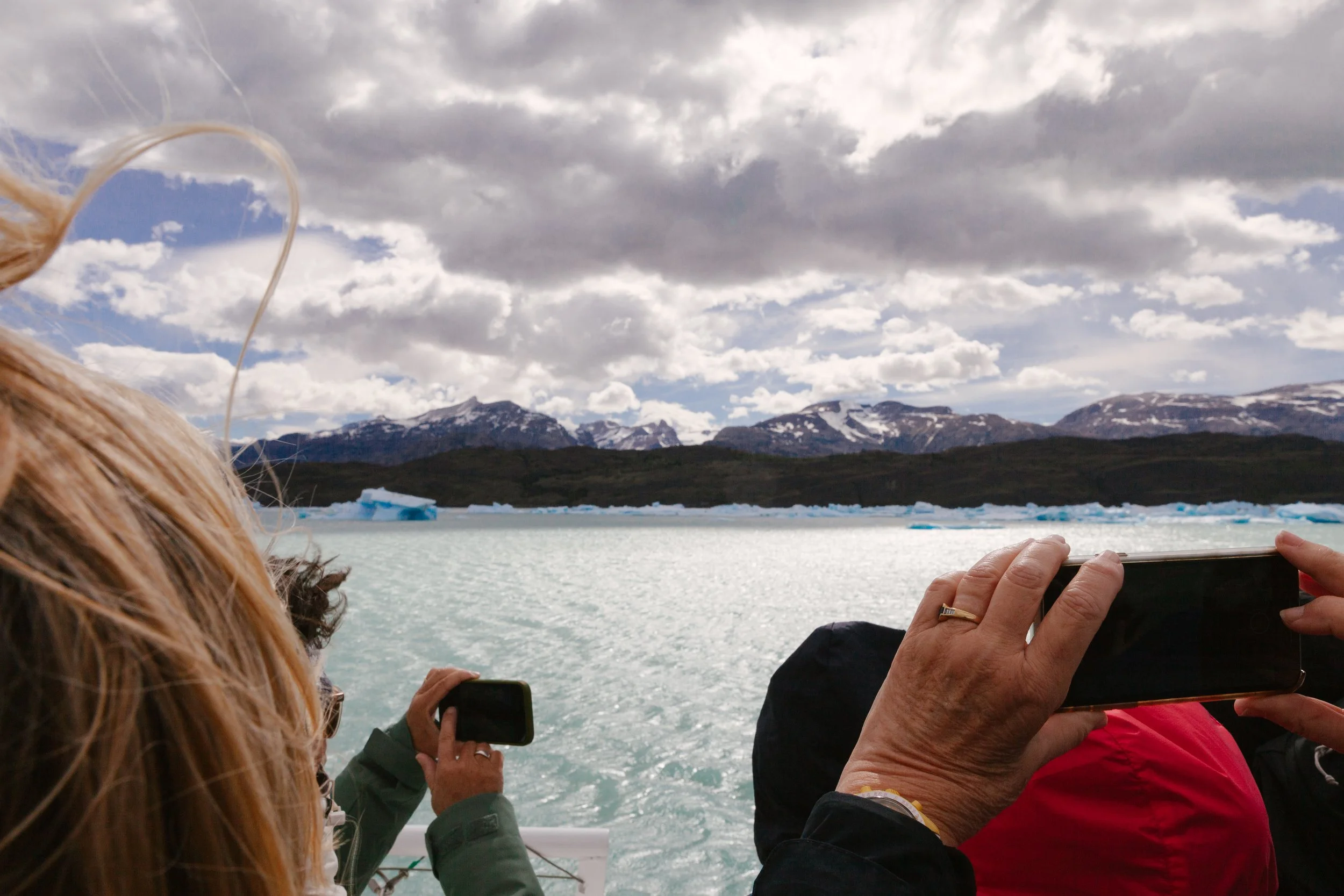
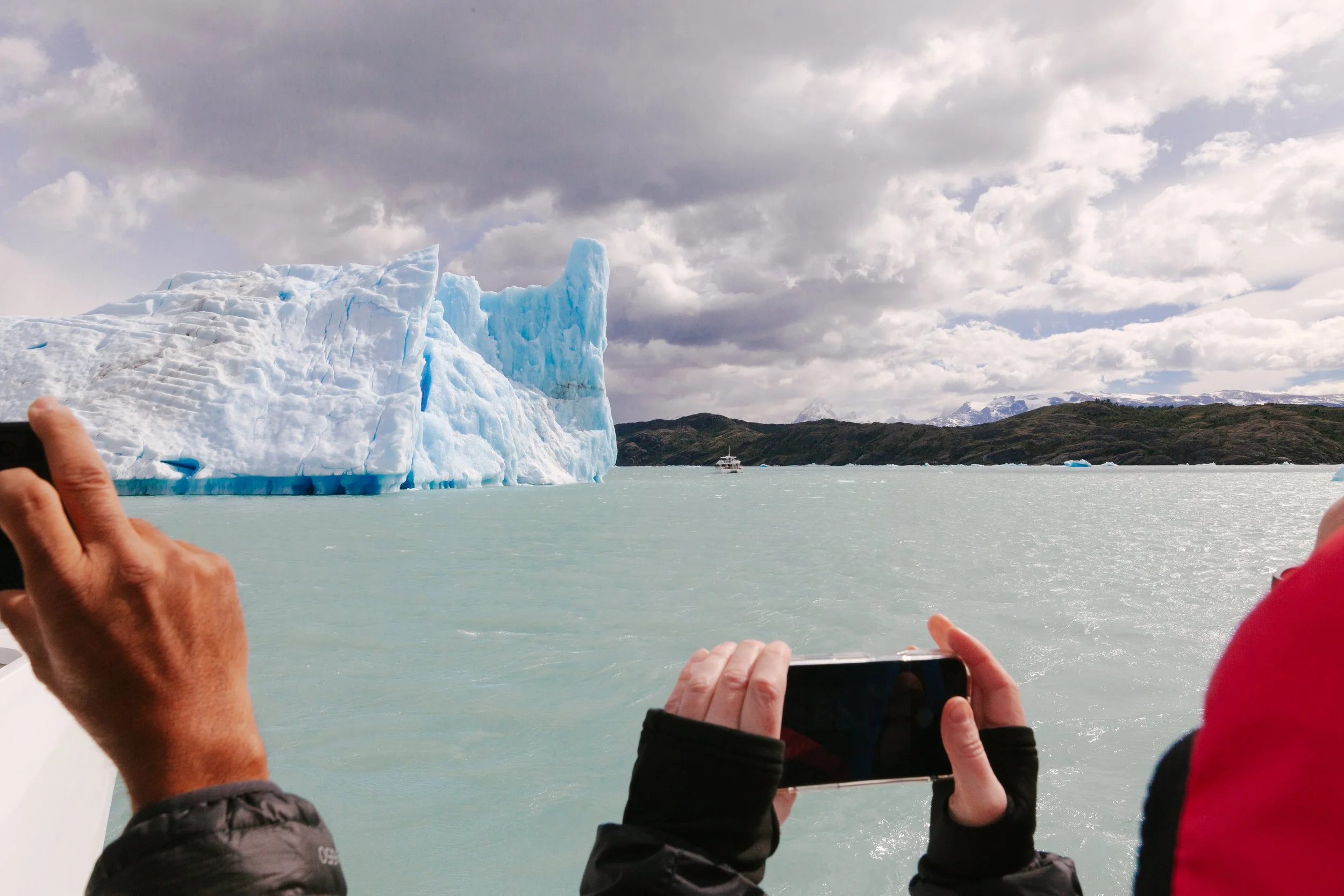
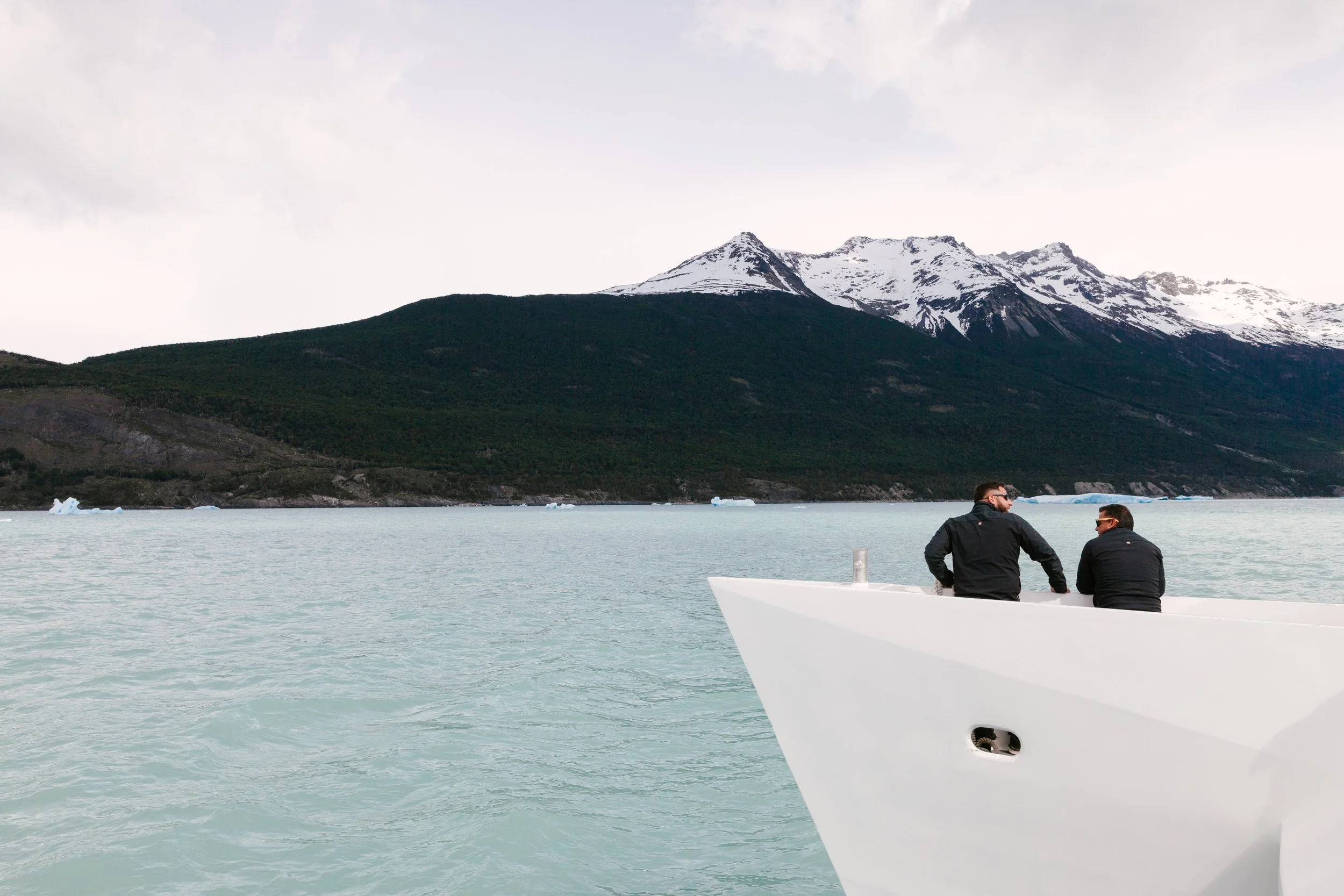
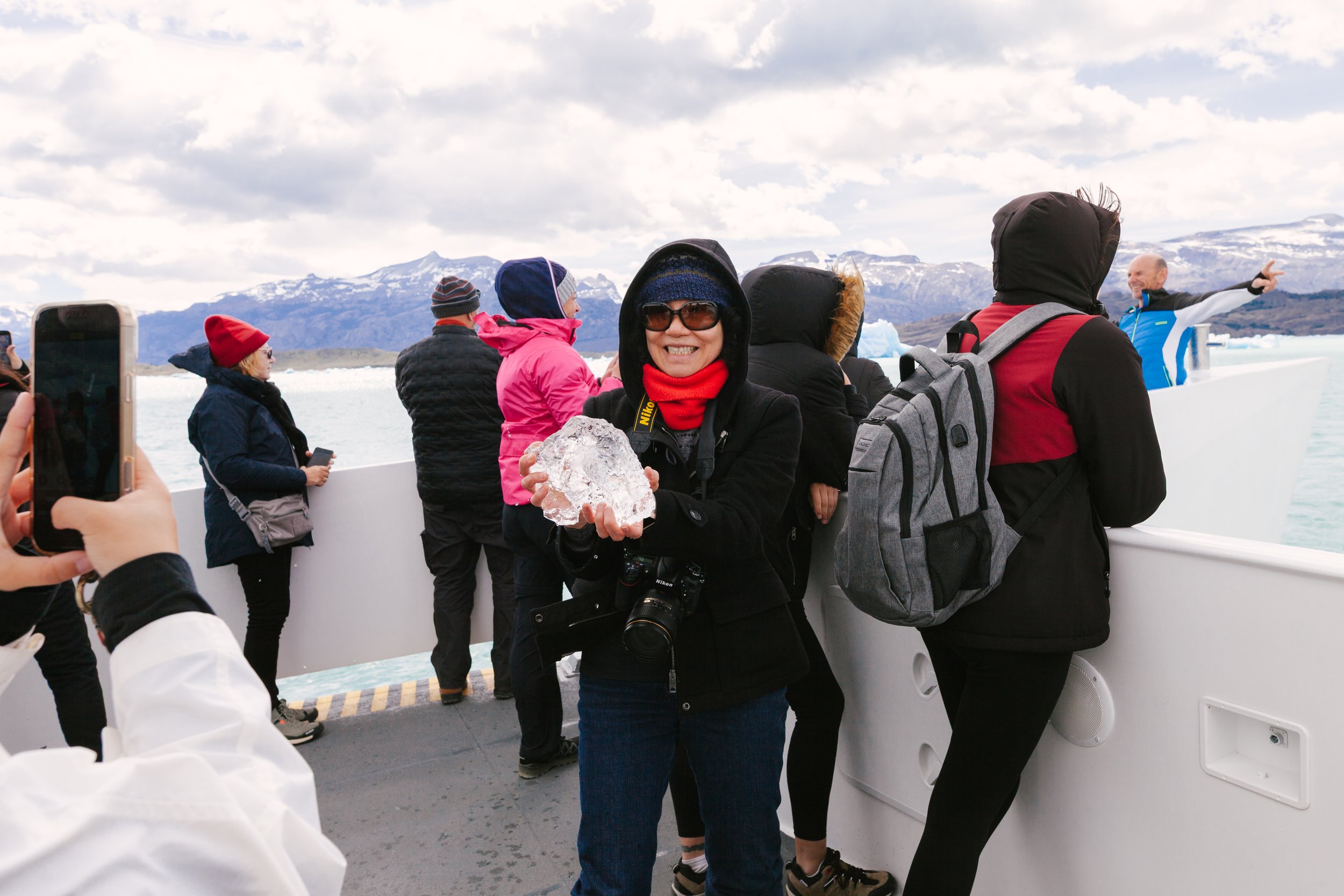
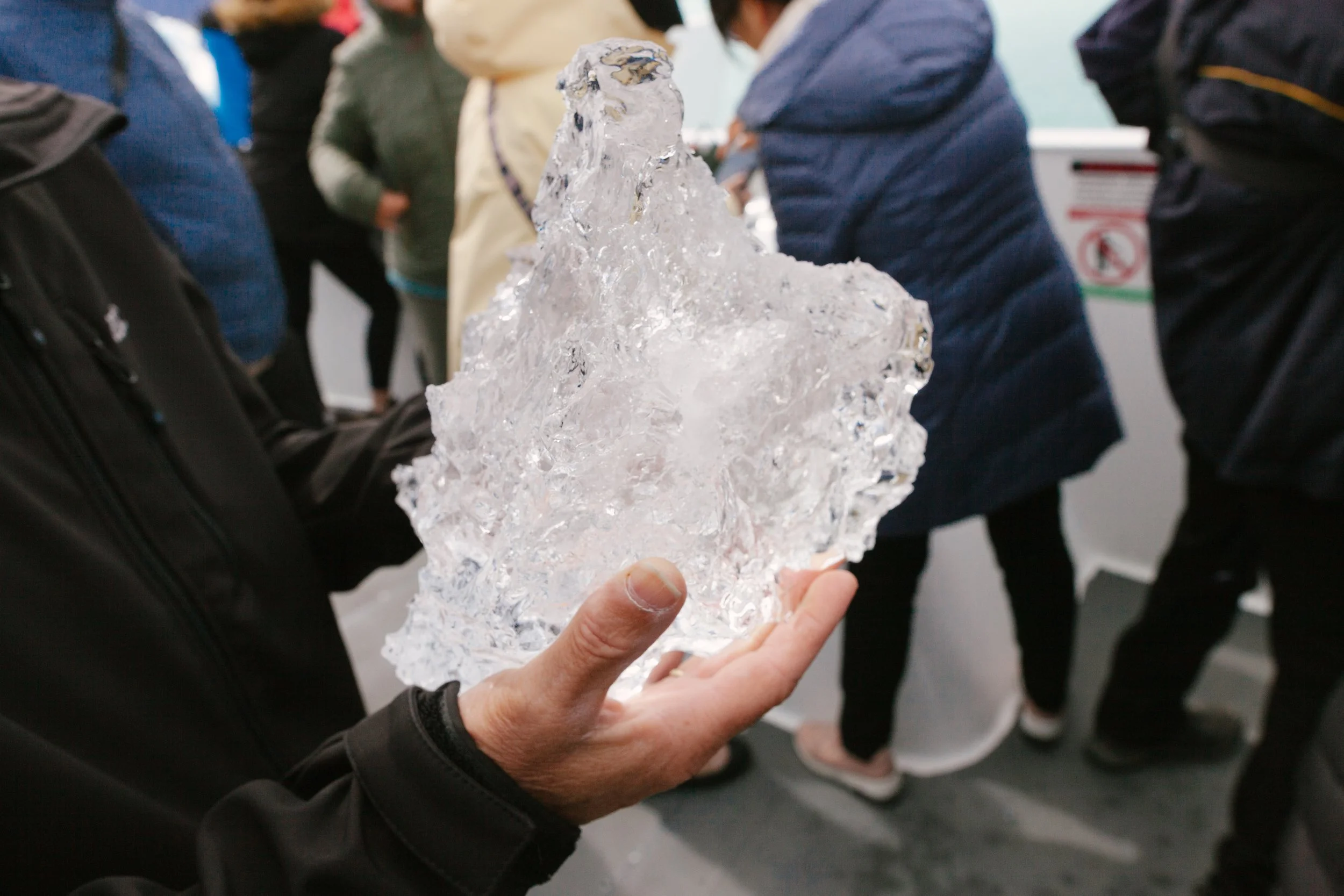
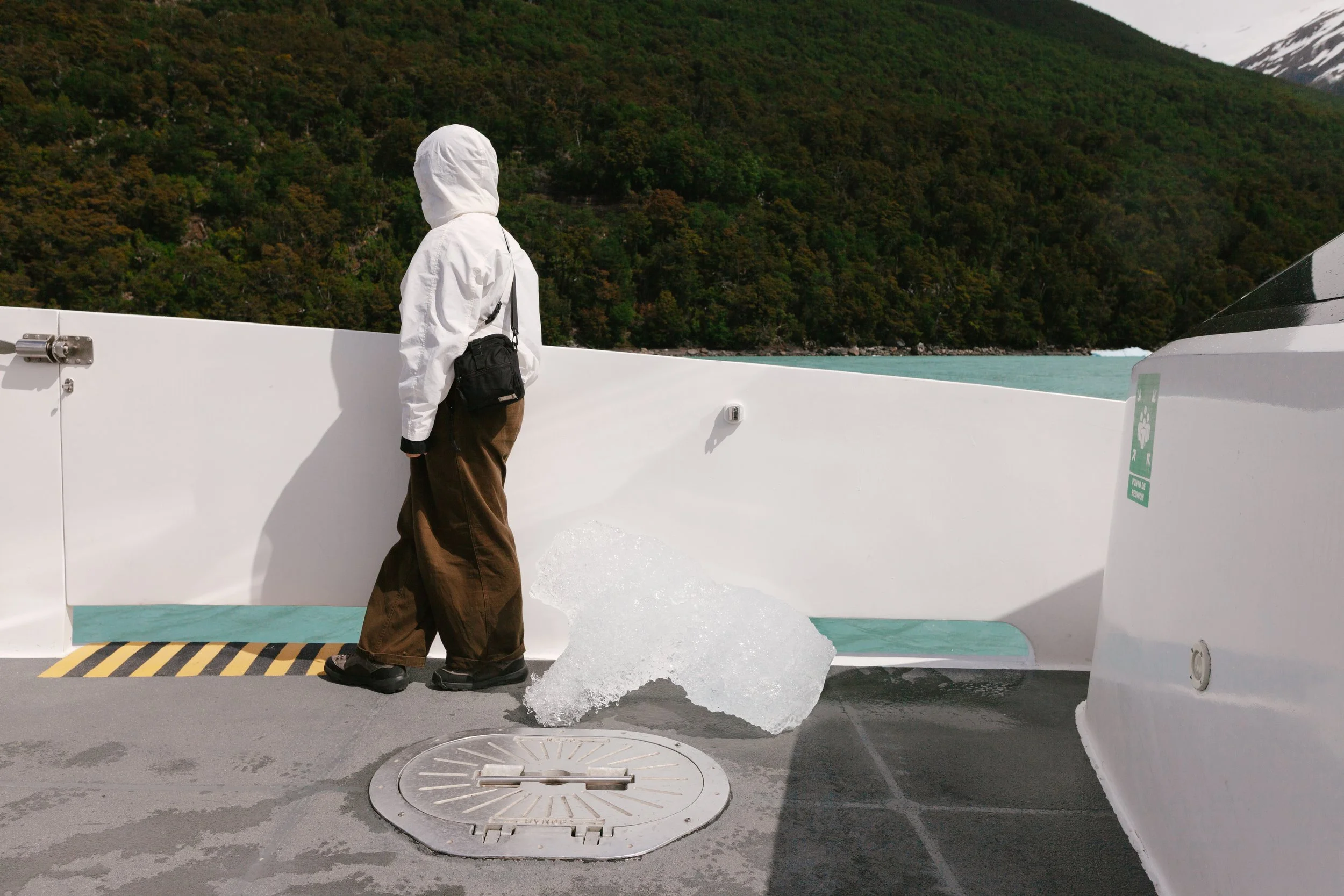
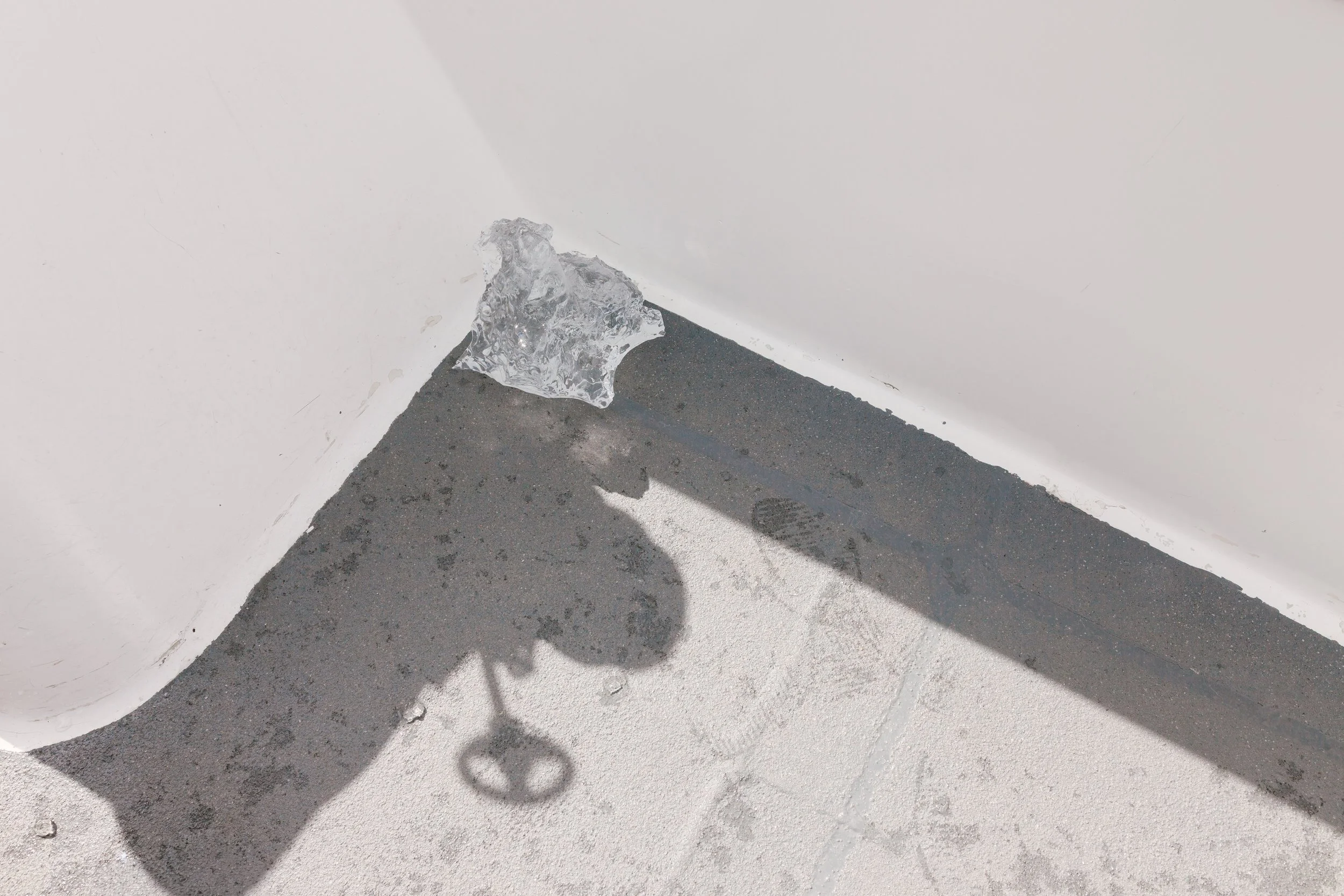
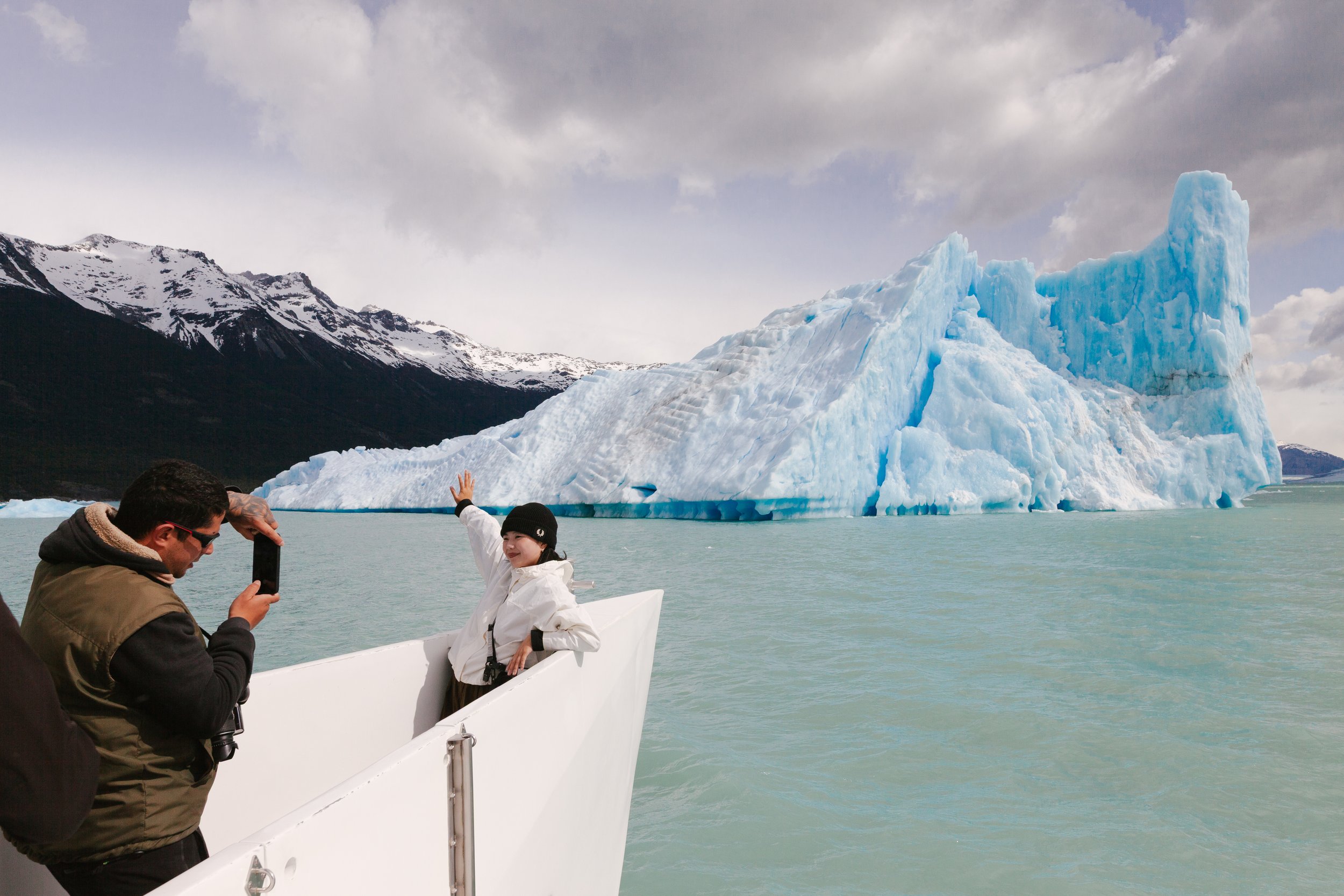
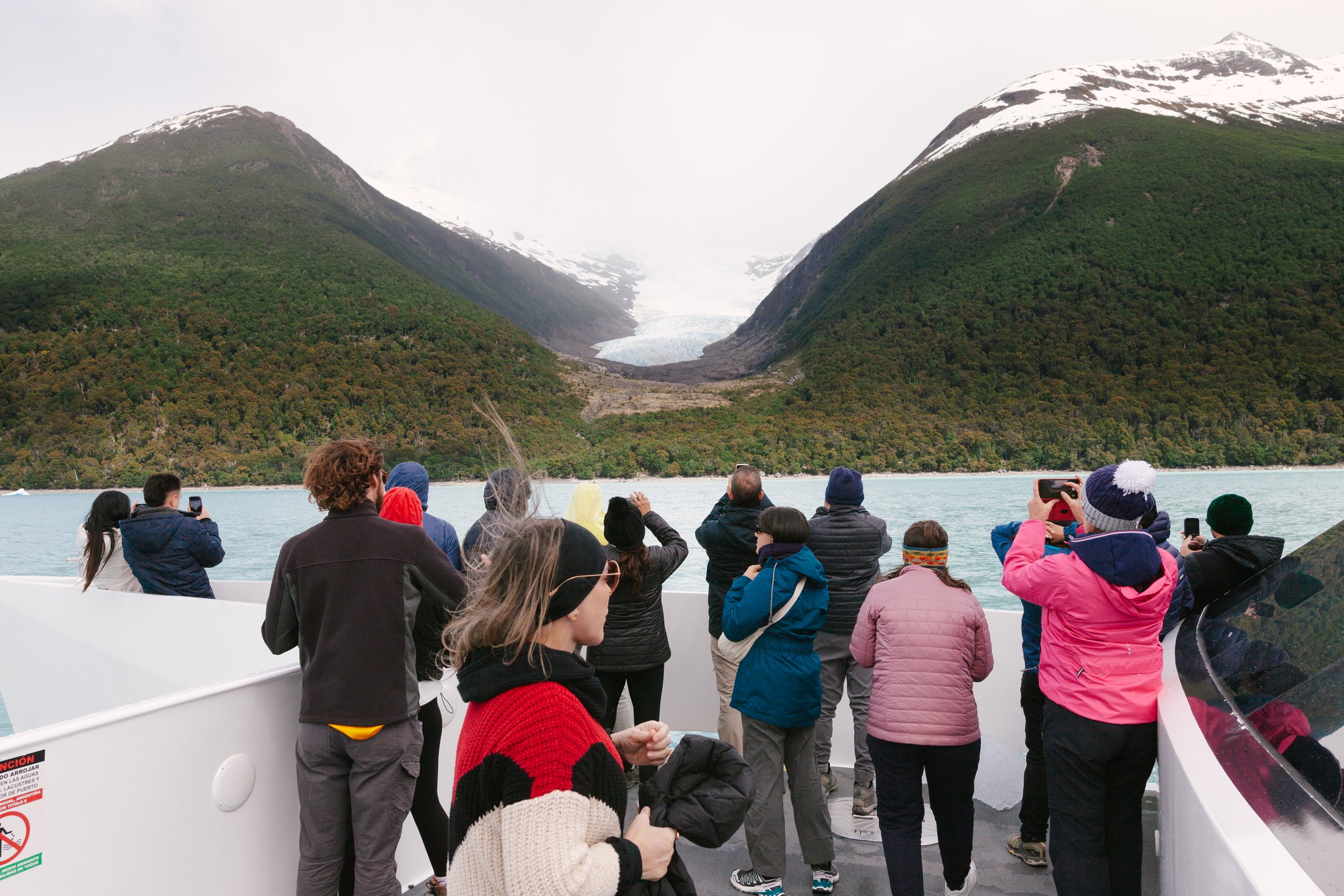
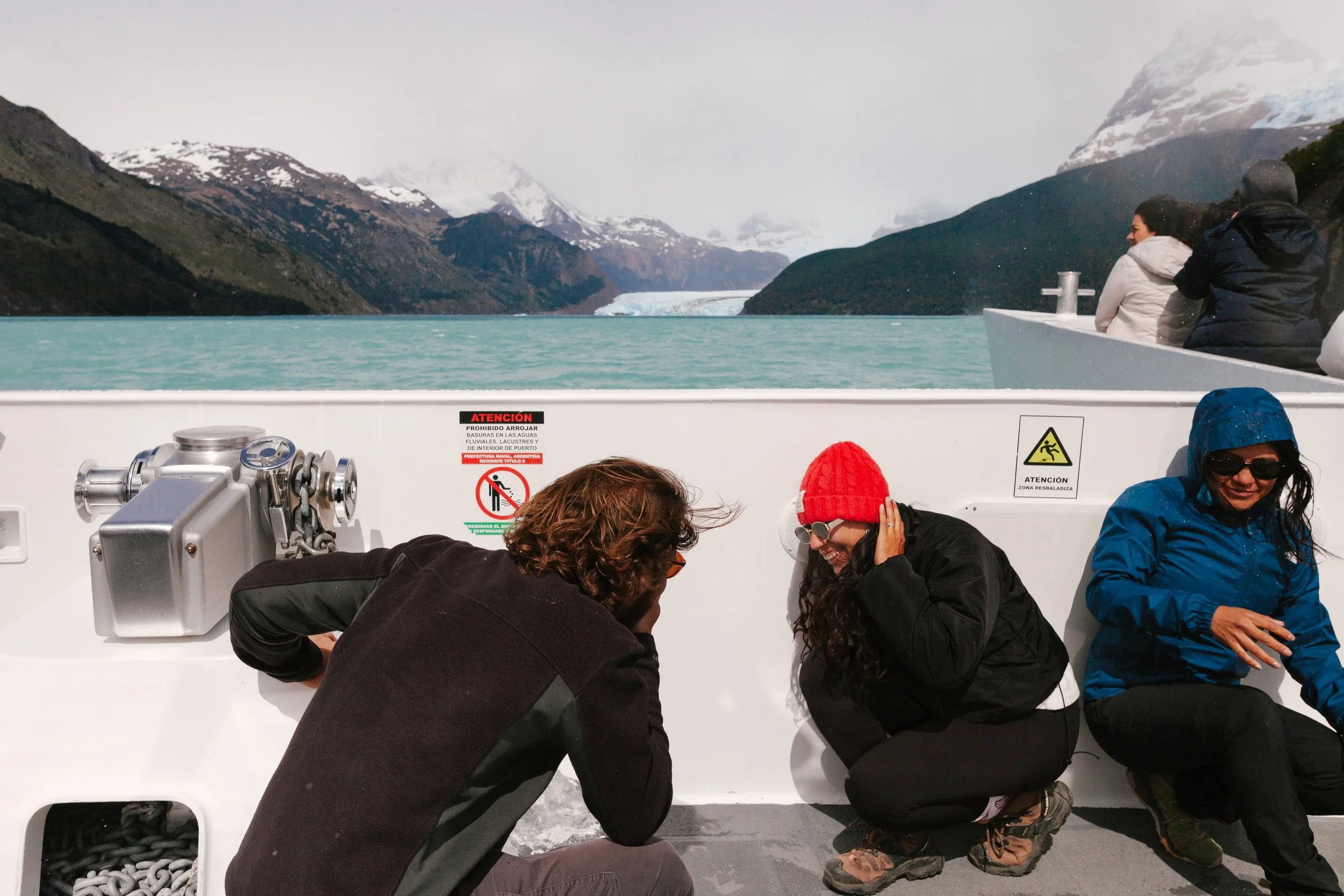
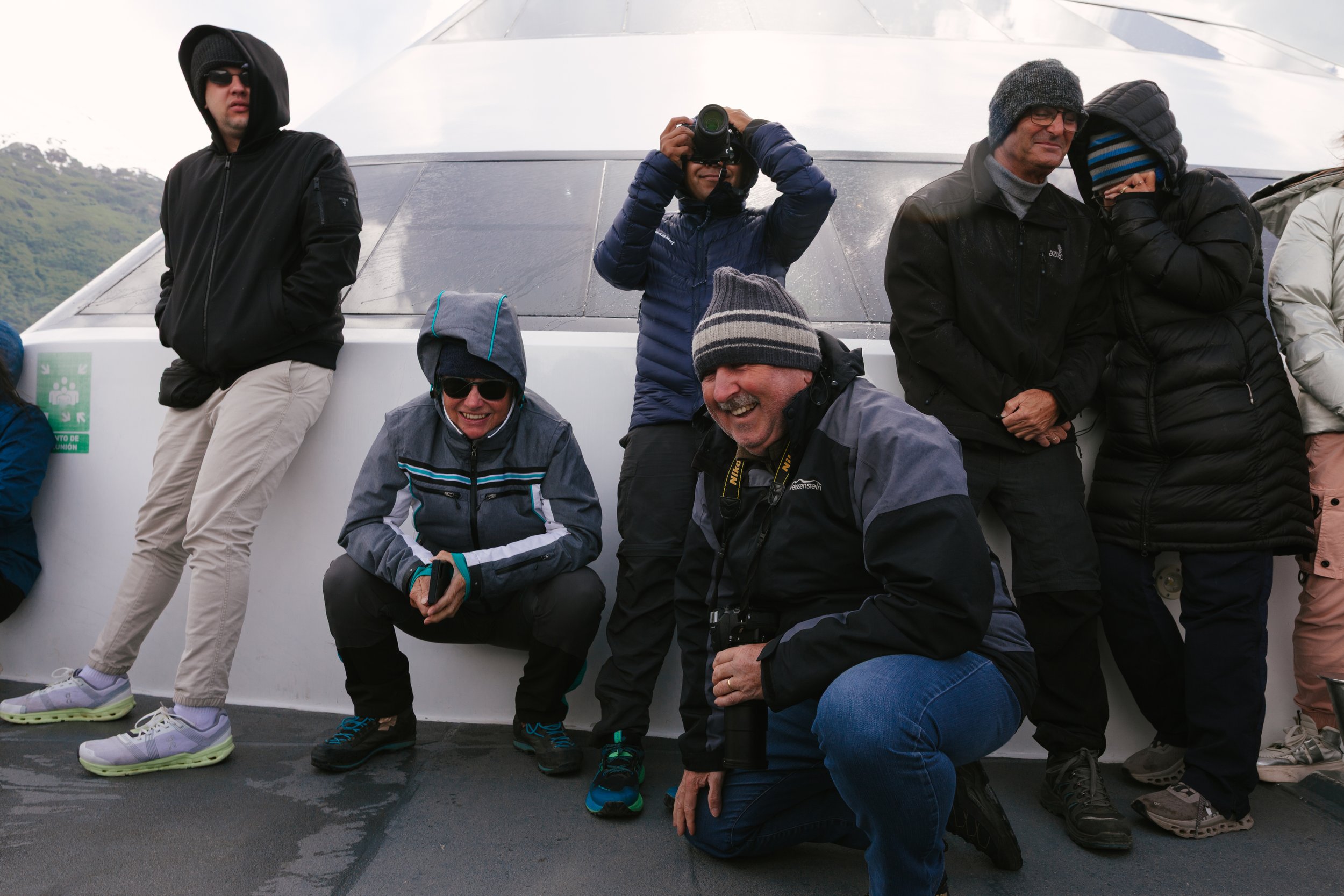
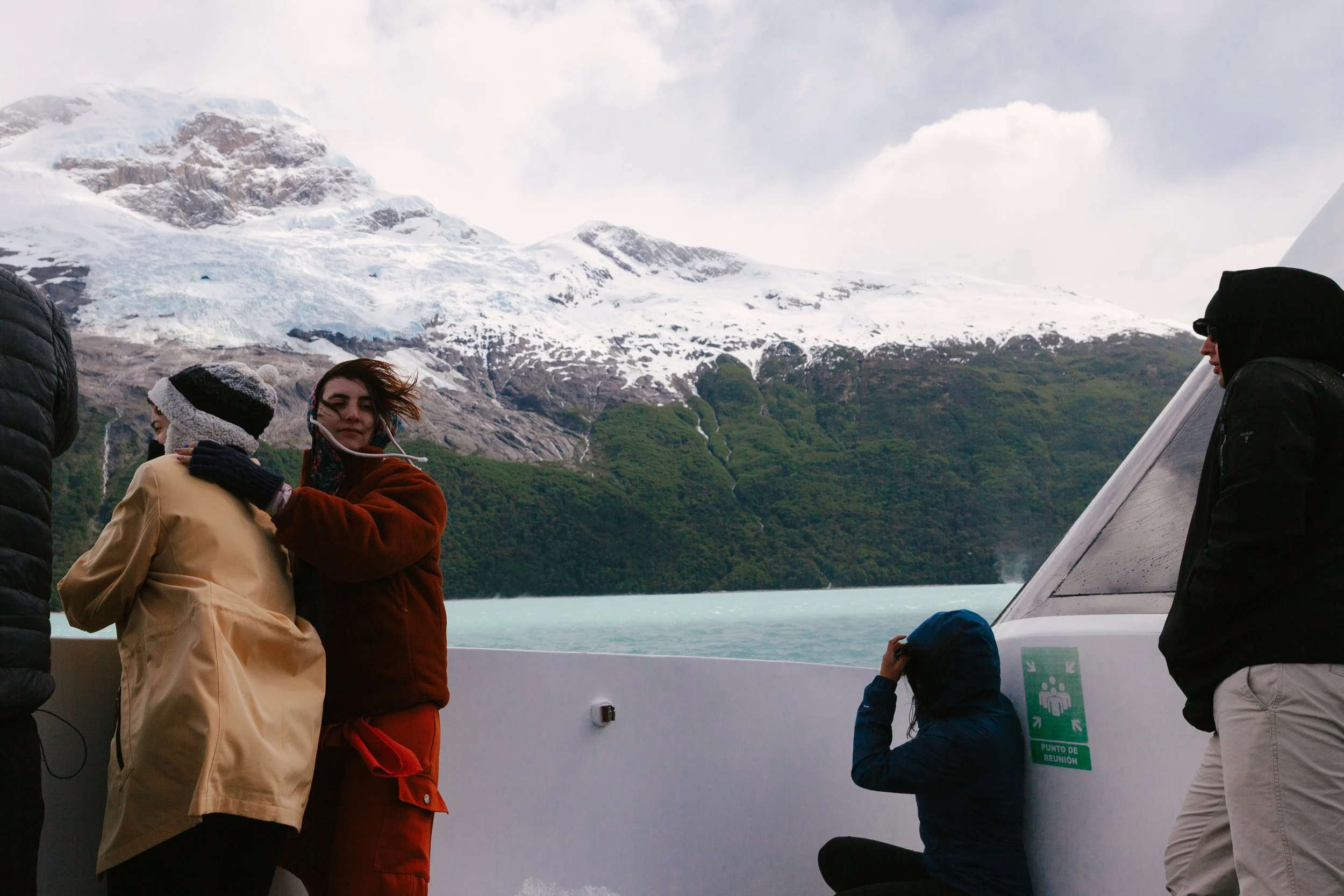
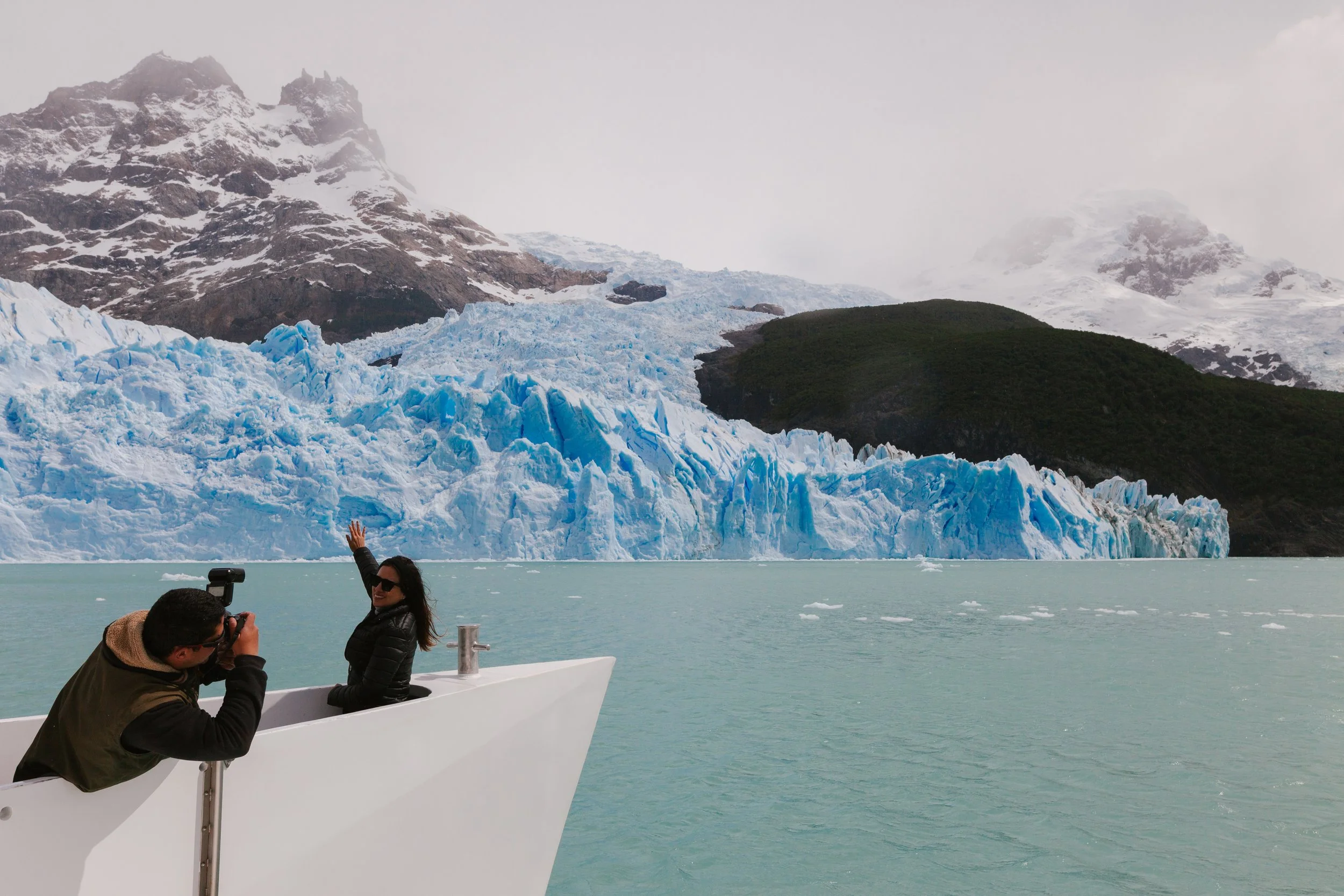
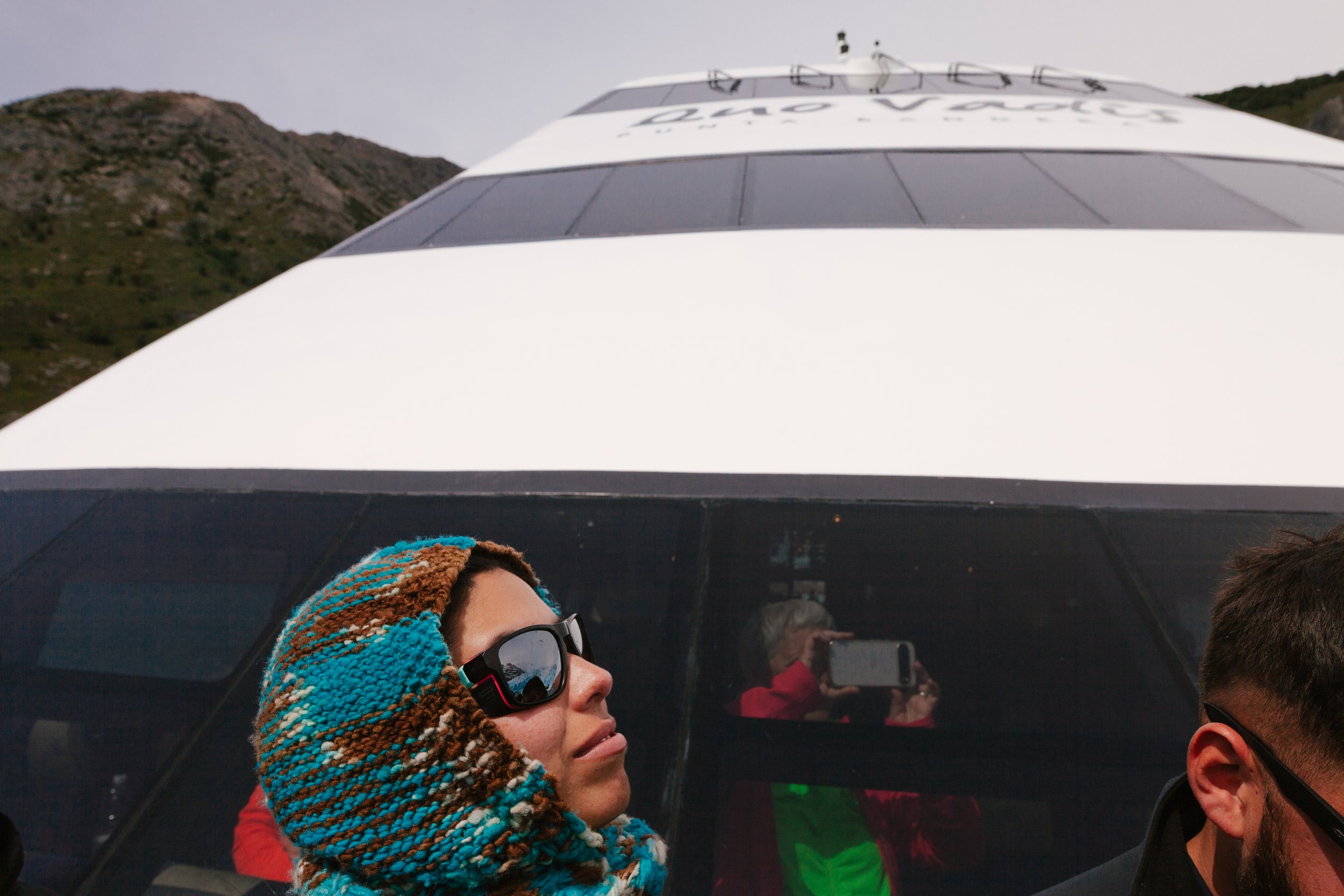
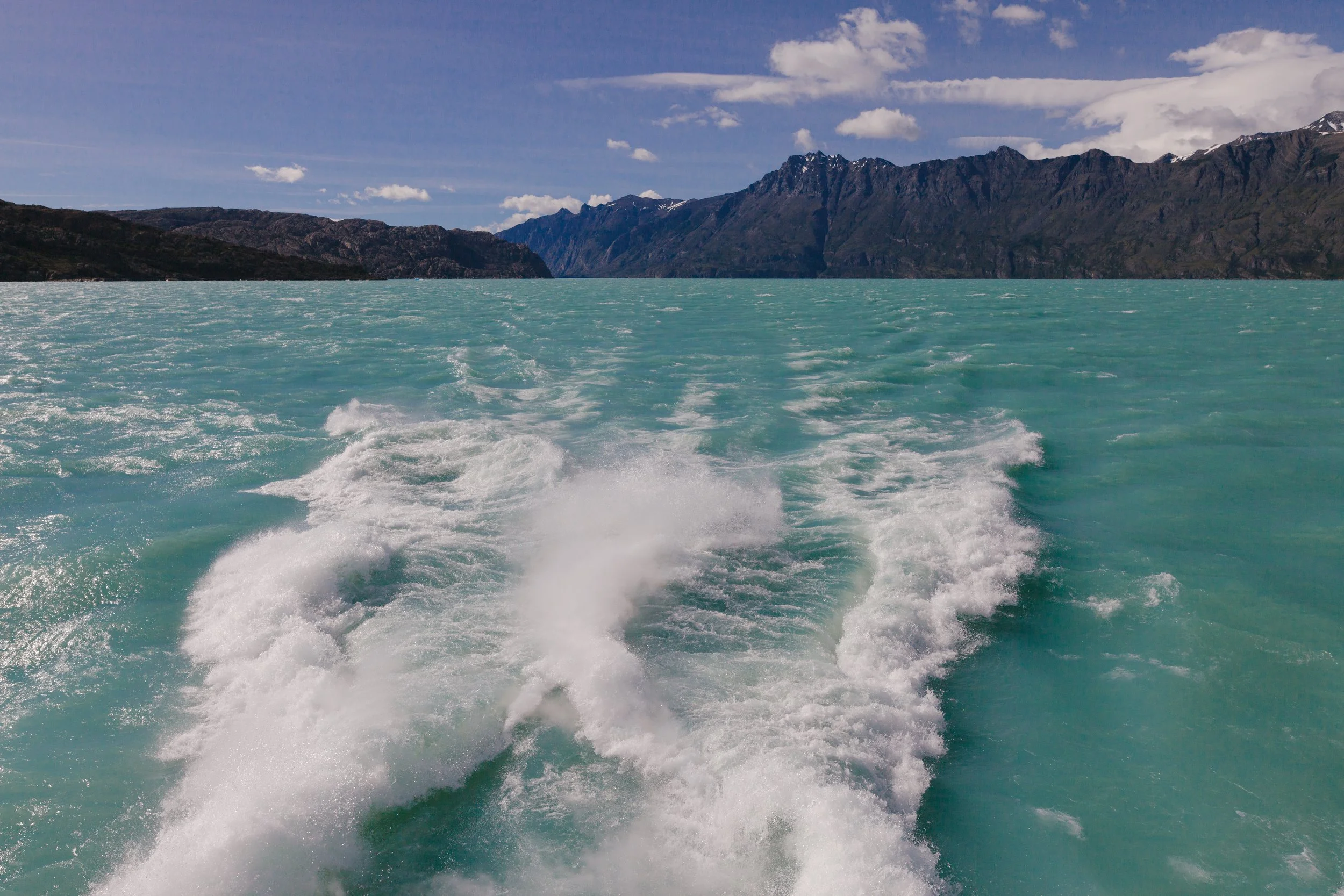
My digital camera got wet and almost died so I shot a part of the trip on film - not by choice but almost out of necessity. Strong wind, heavy rain, film camera in a plastic bag, but it all was so worth it!
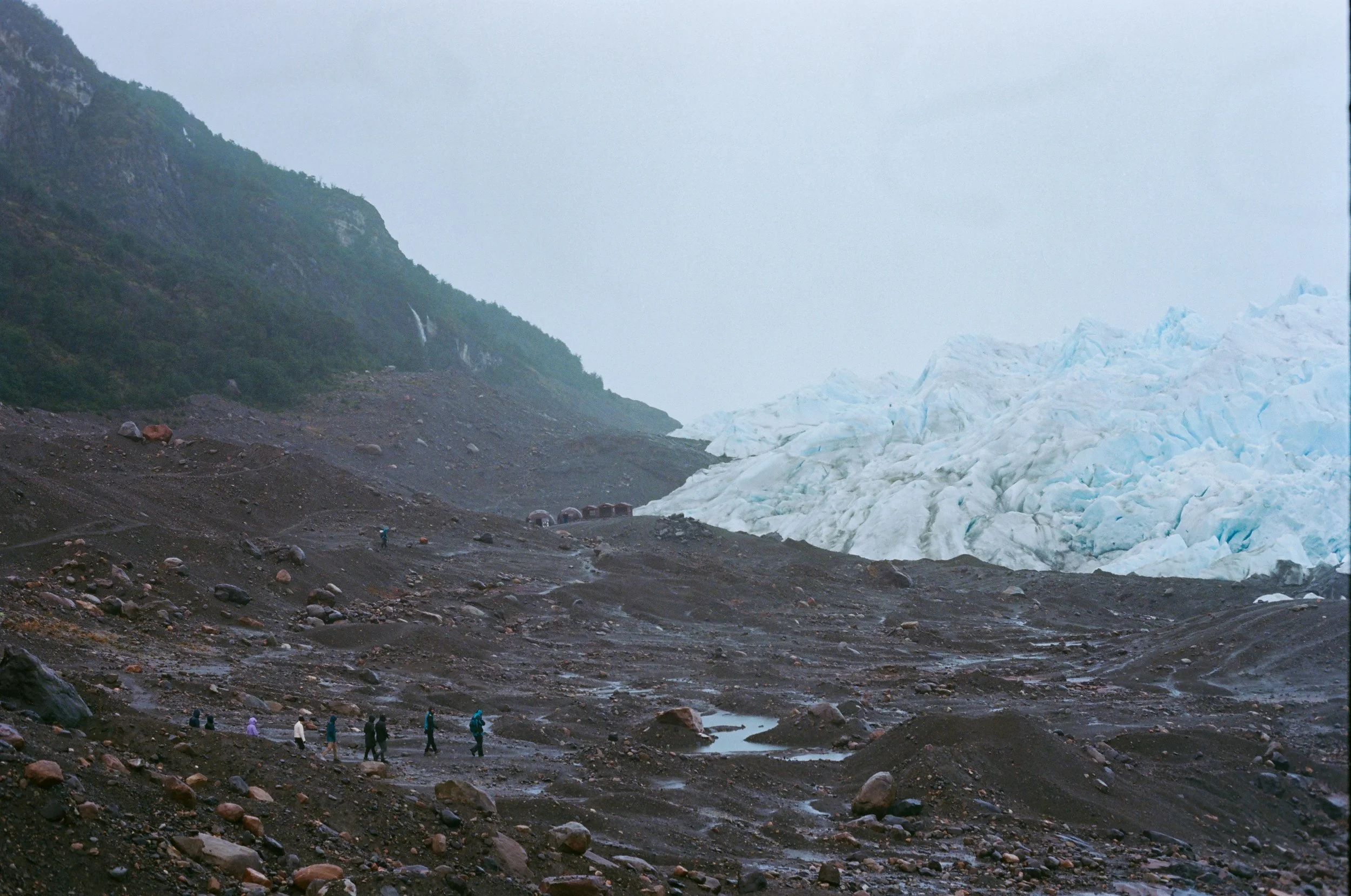
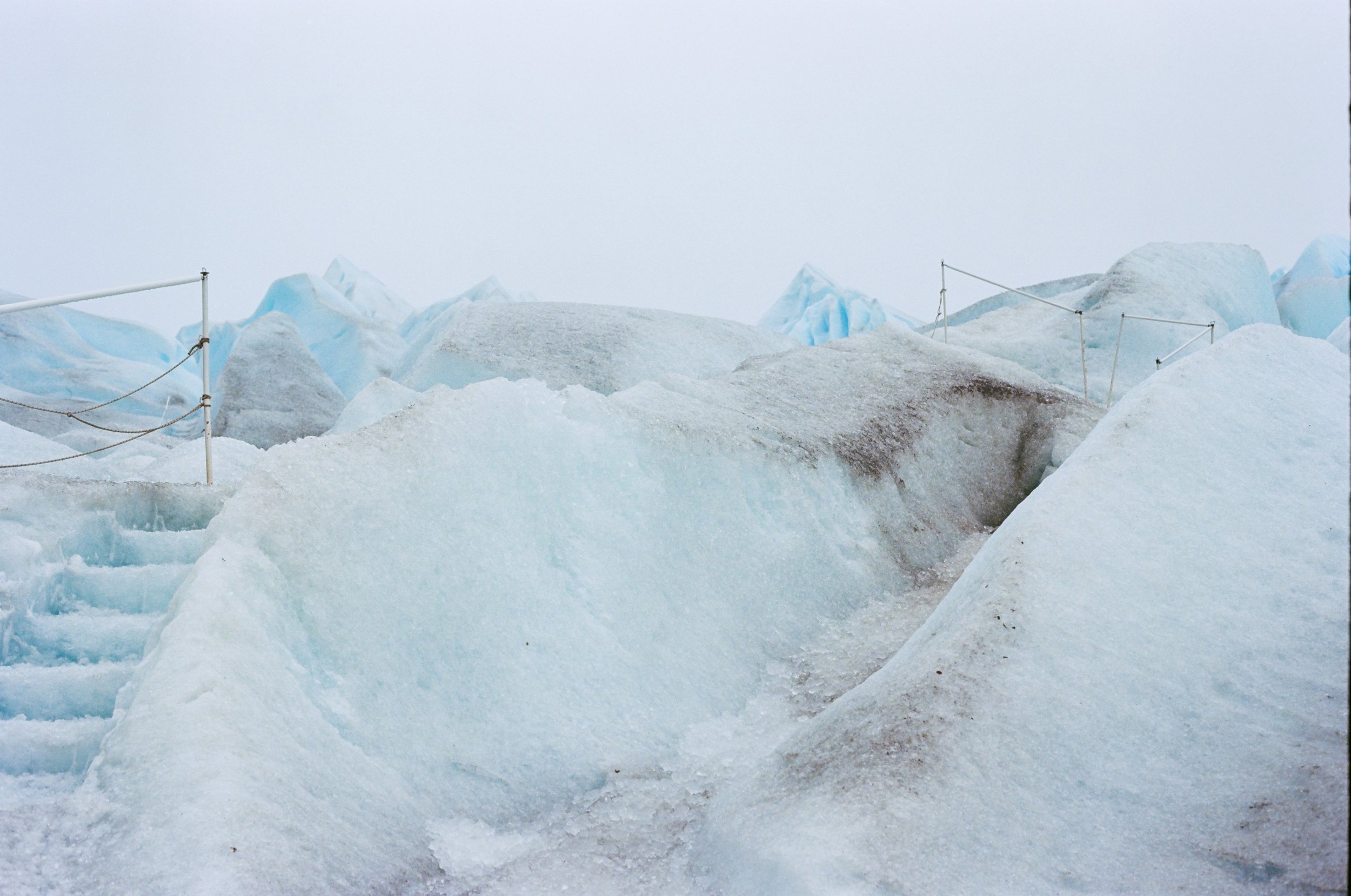
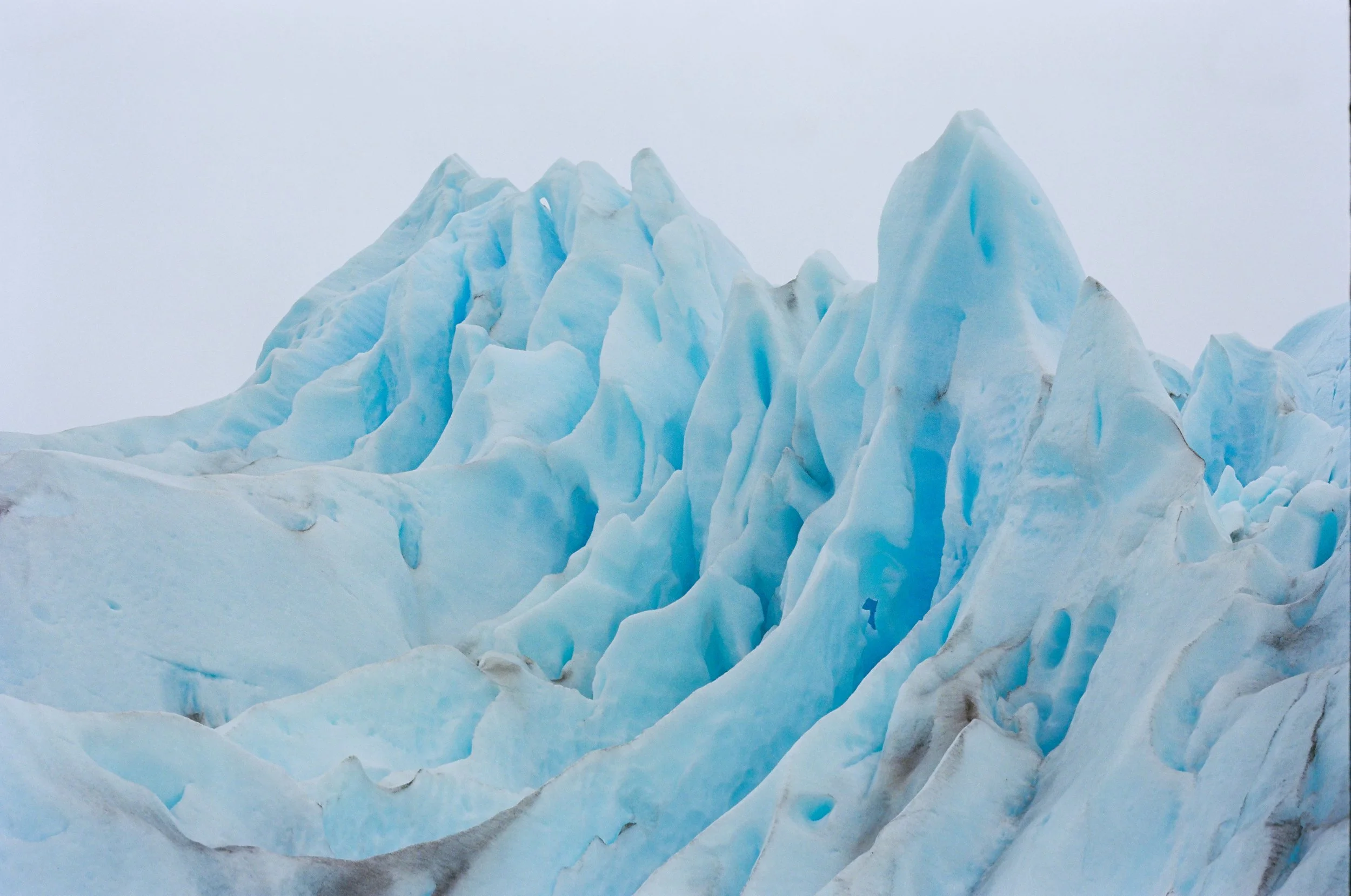

The vast majority of the portraits I still took without the people noticing. No interactions or a brief hand wave - it was still not enough.
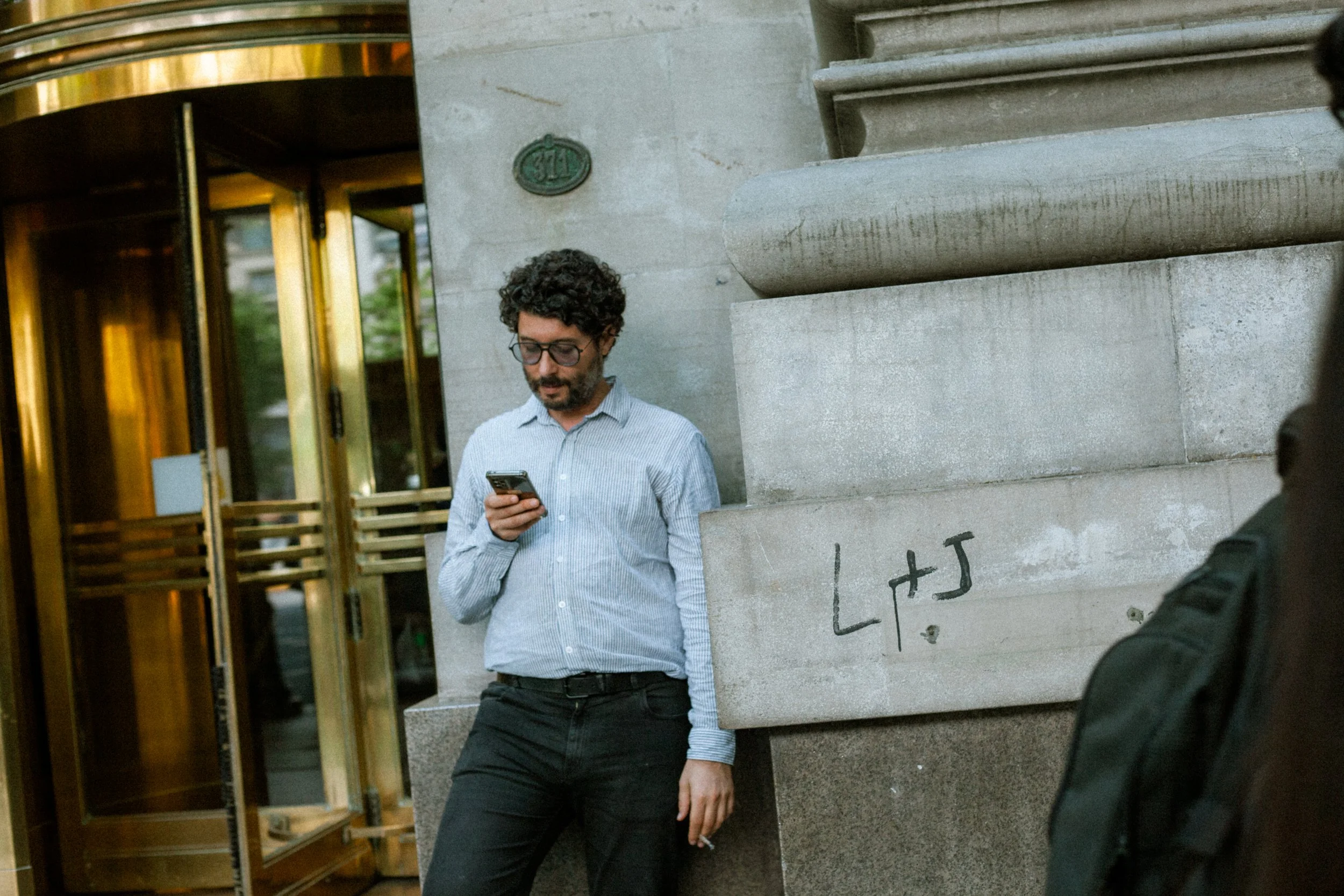
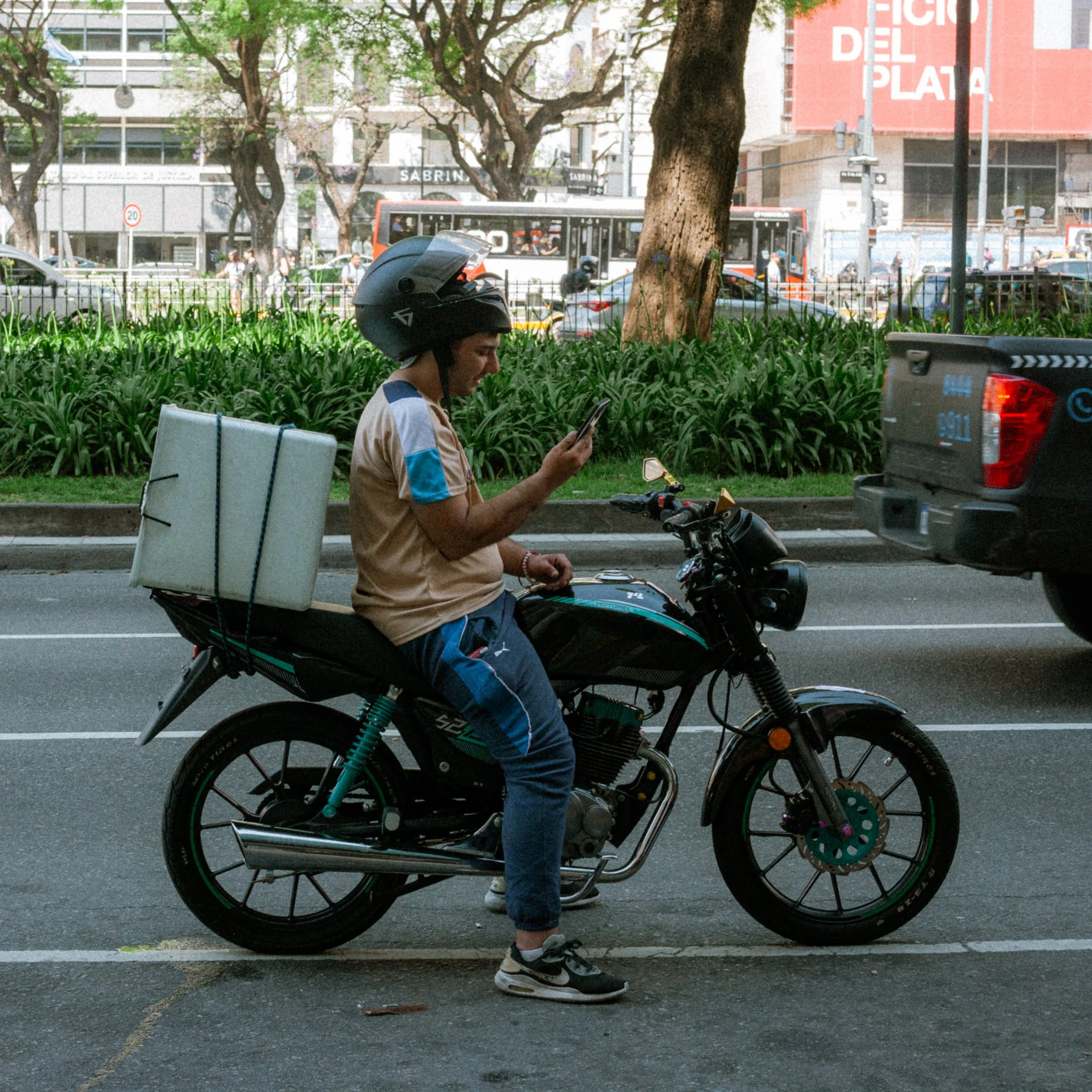
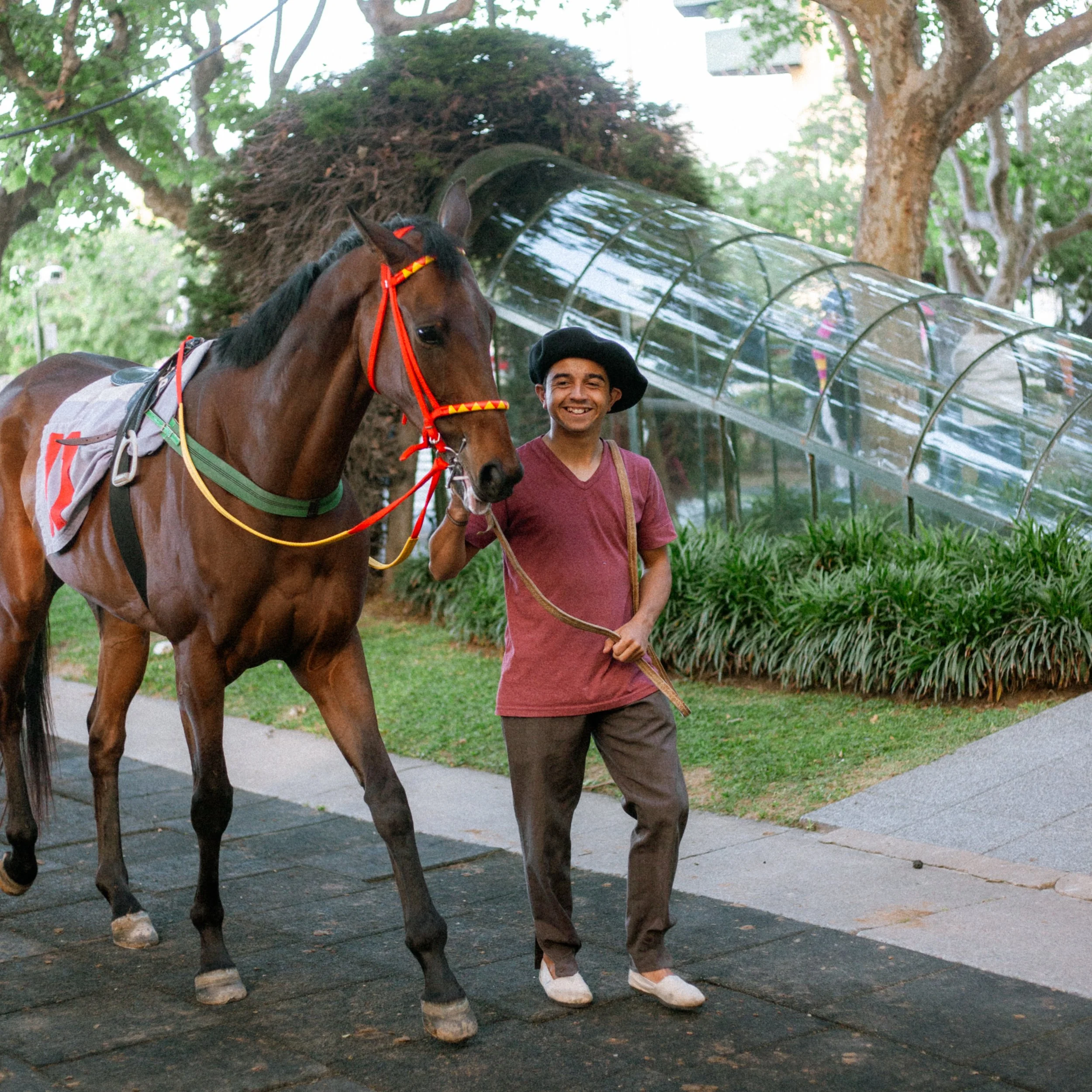
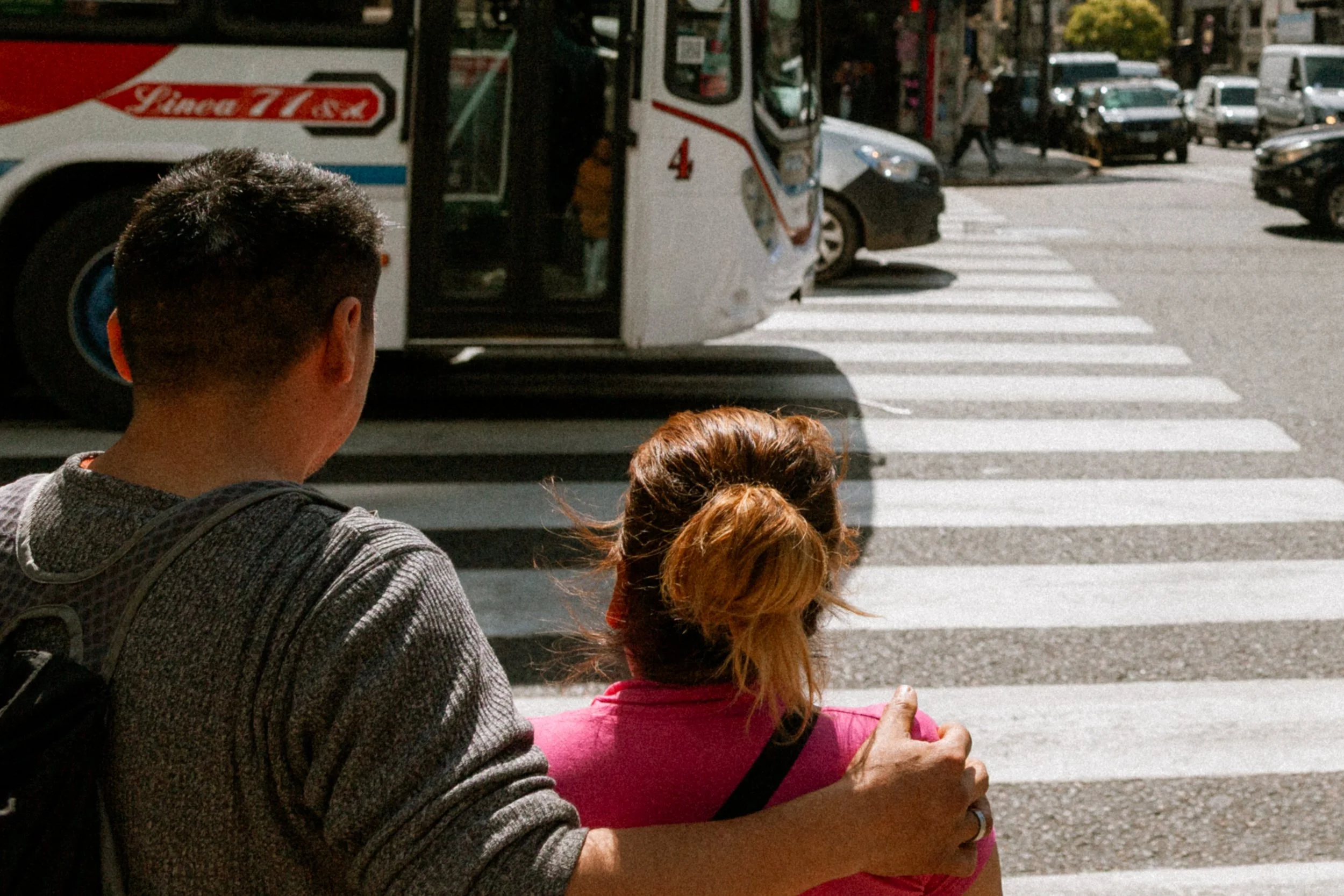
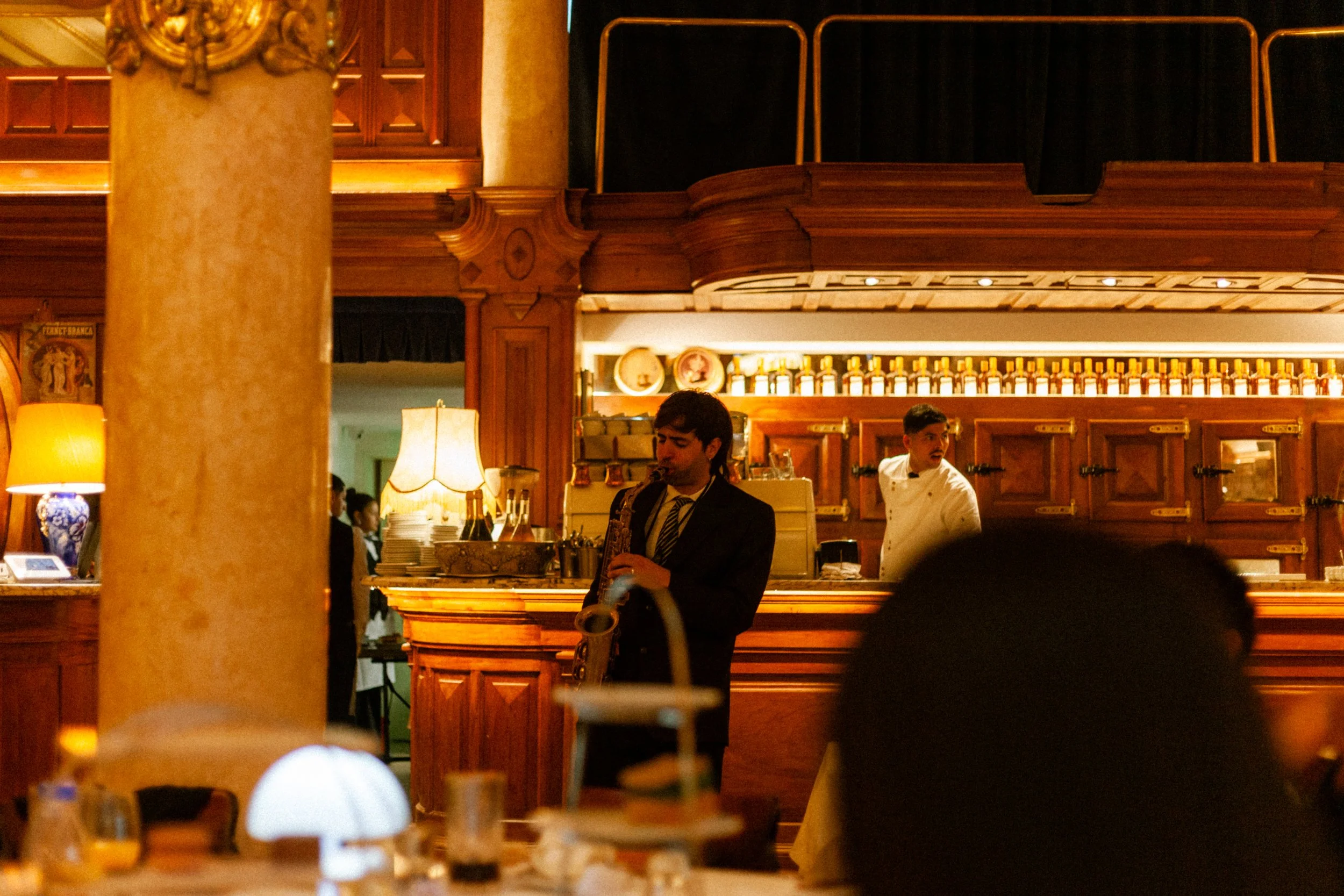
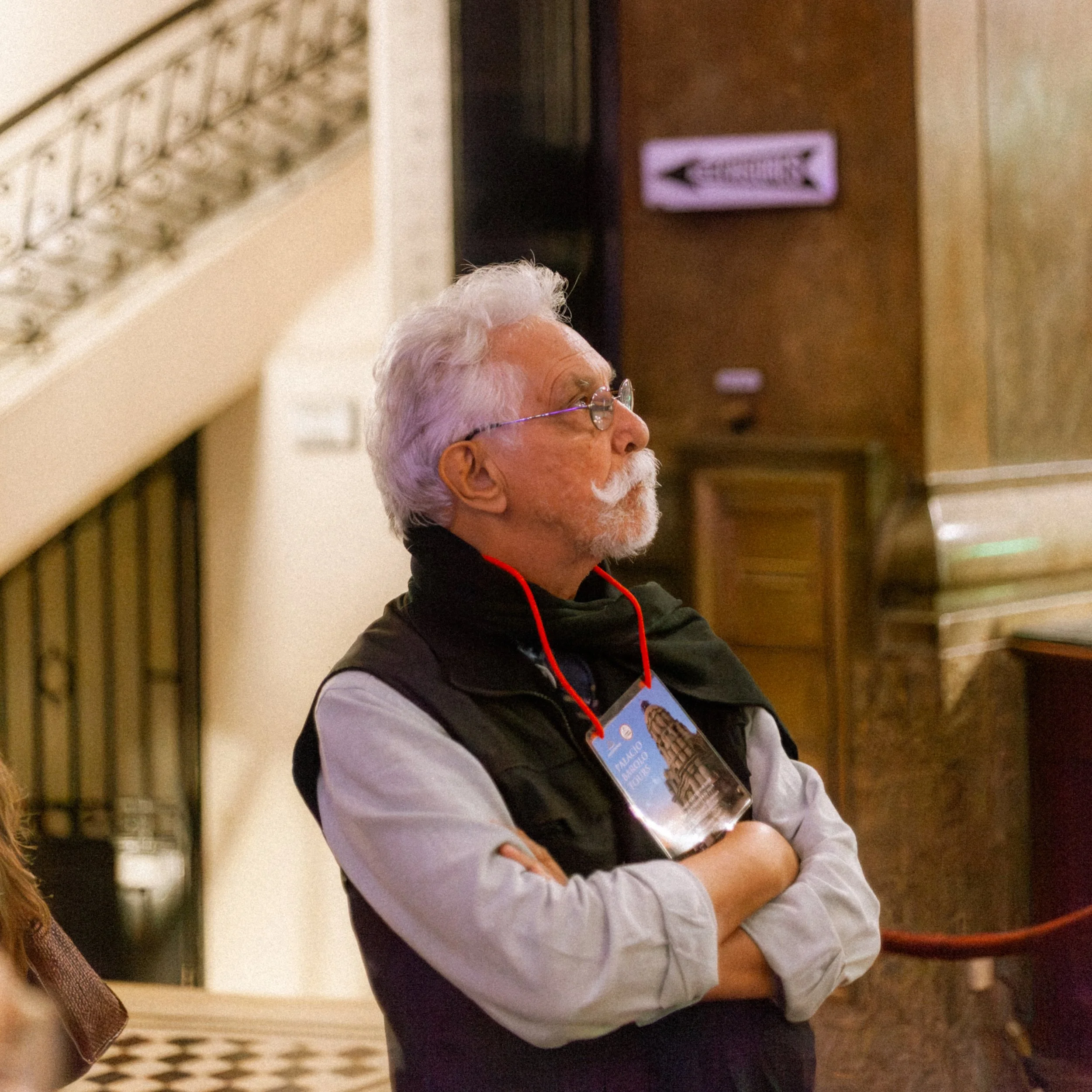
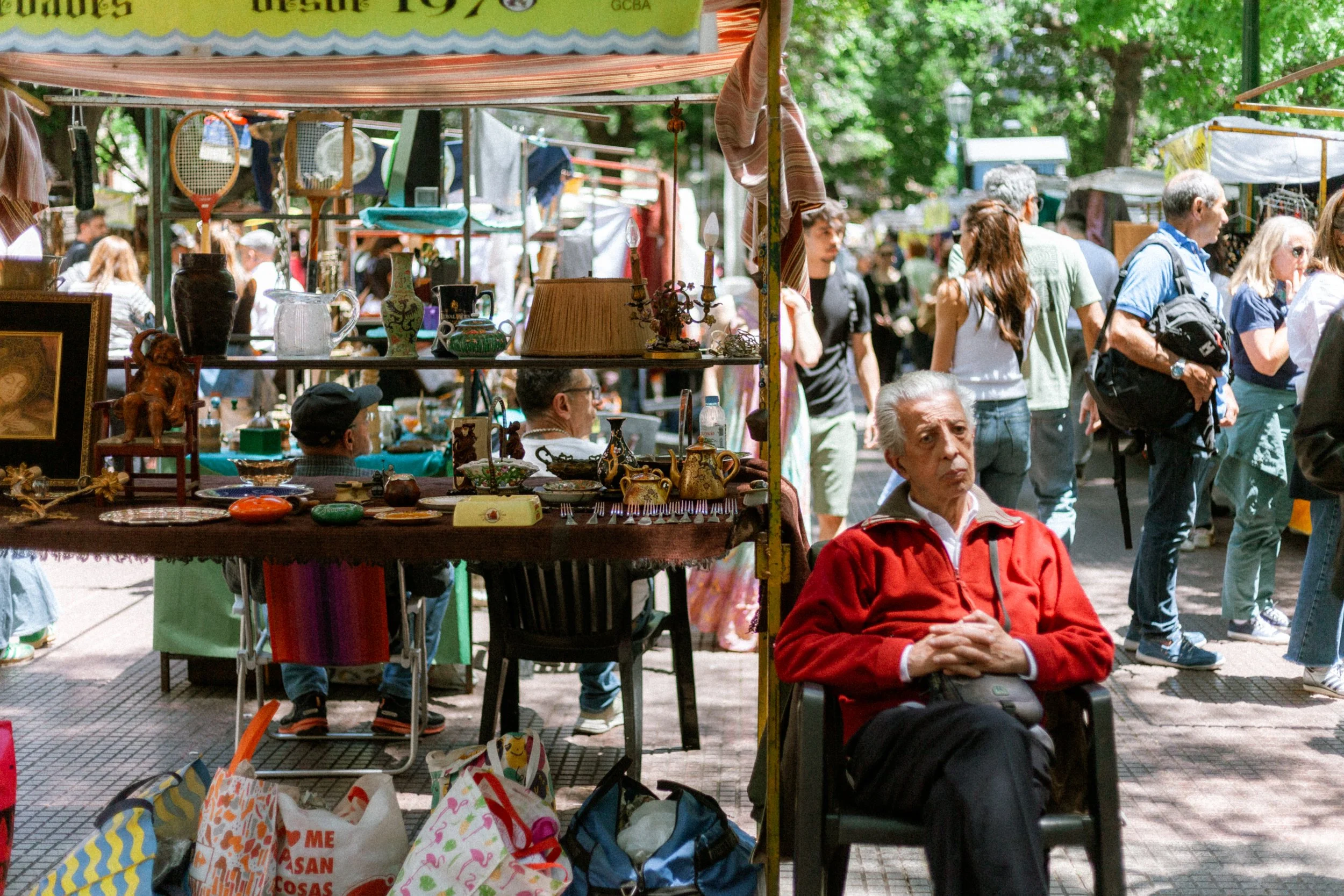
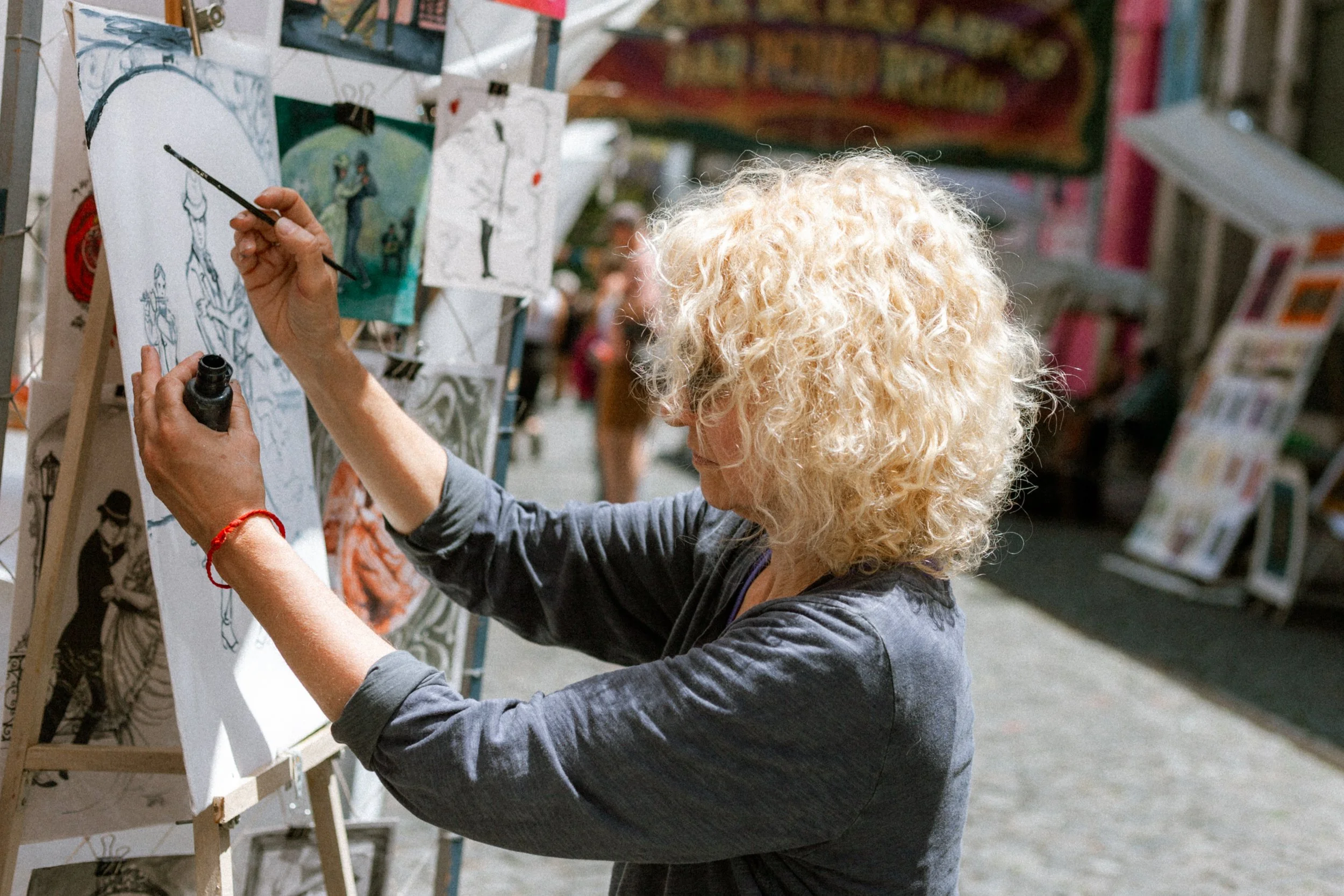
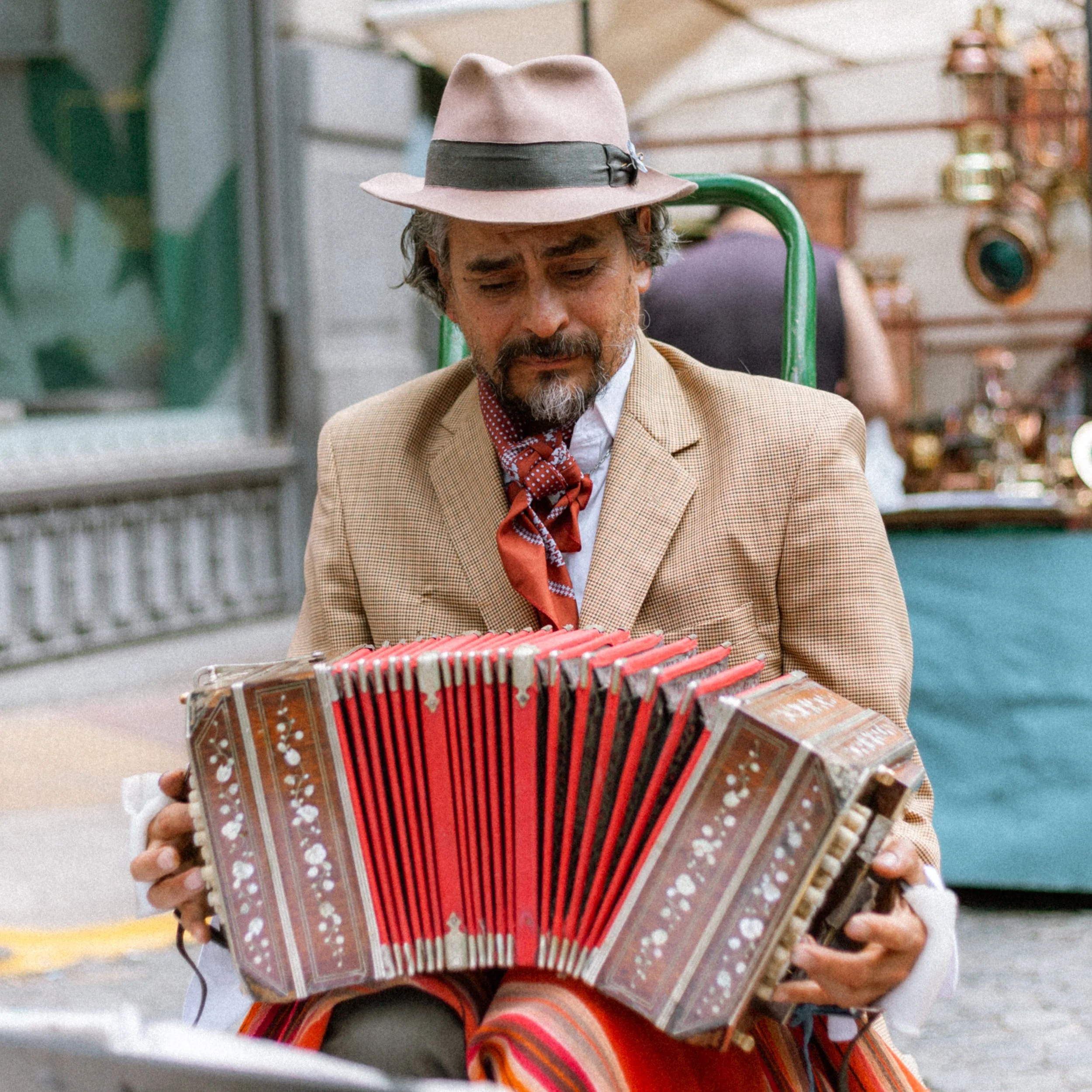
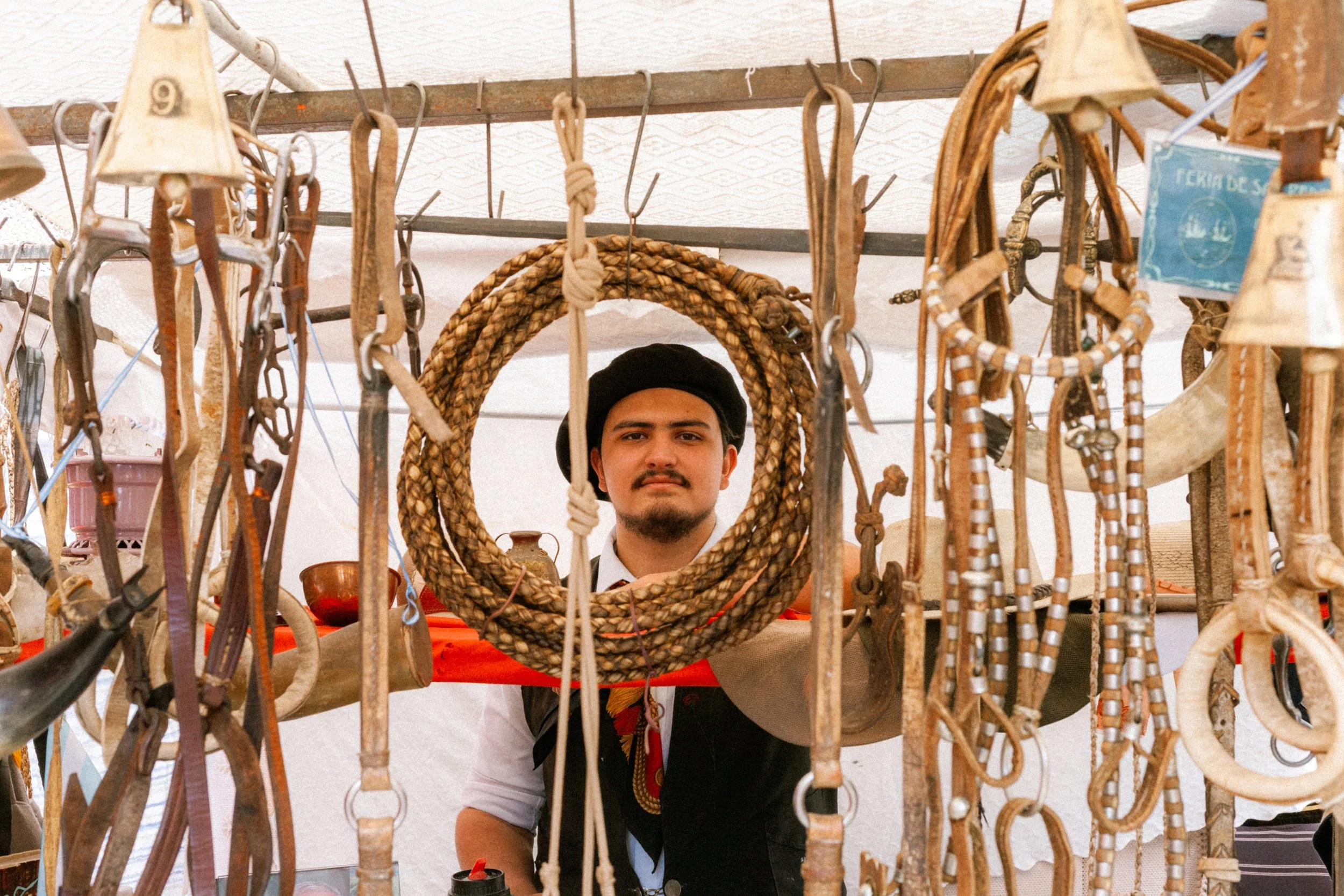
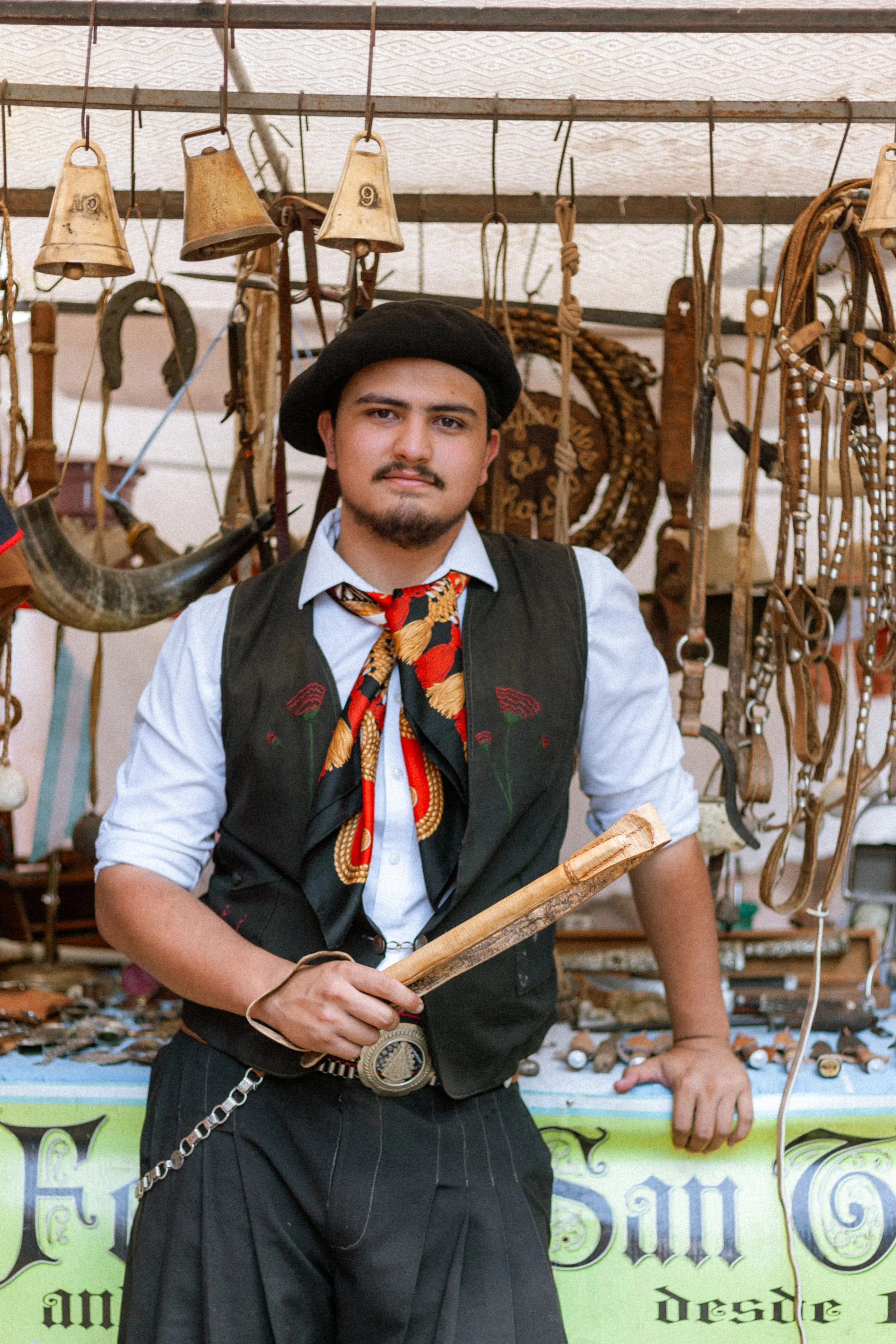
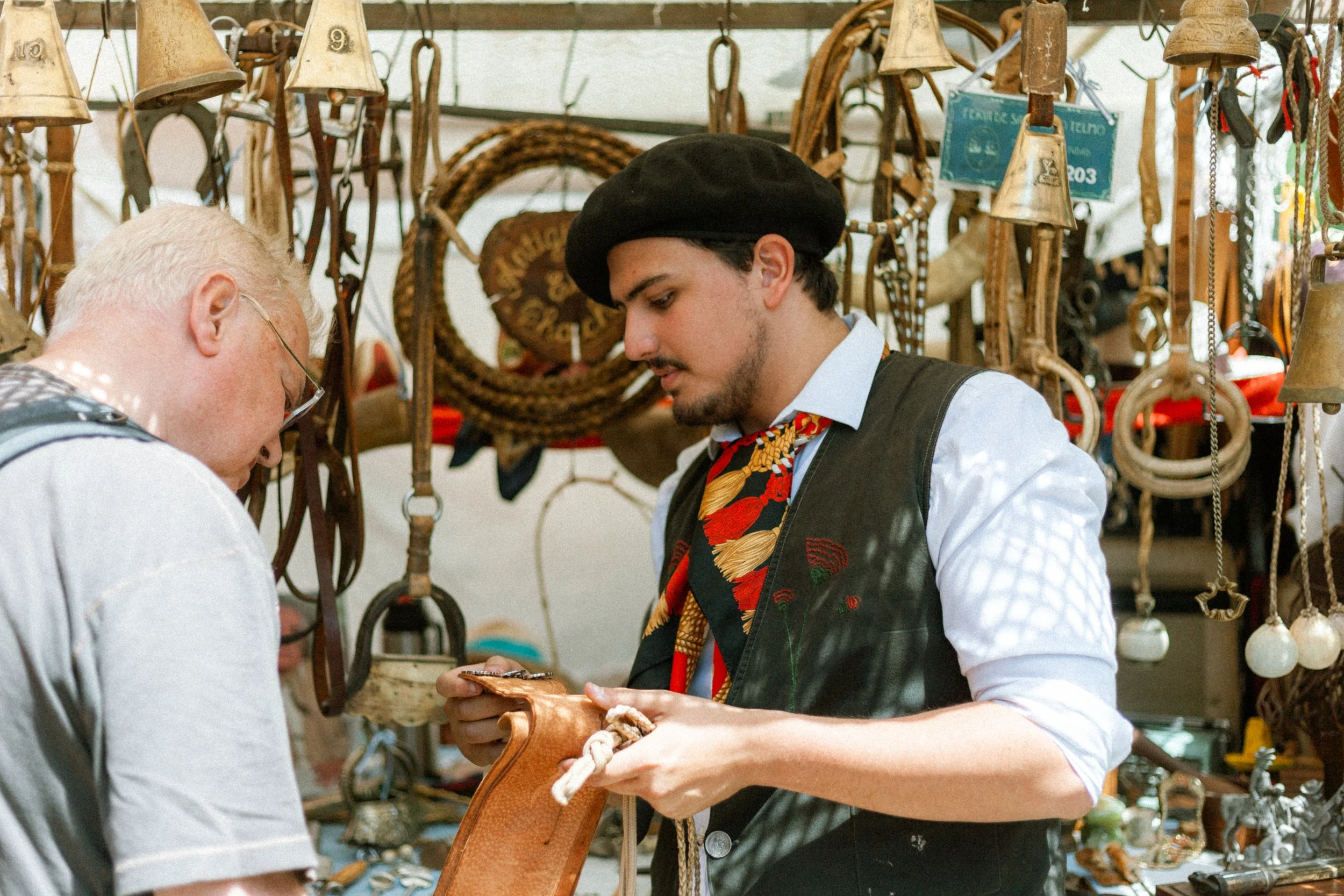
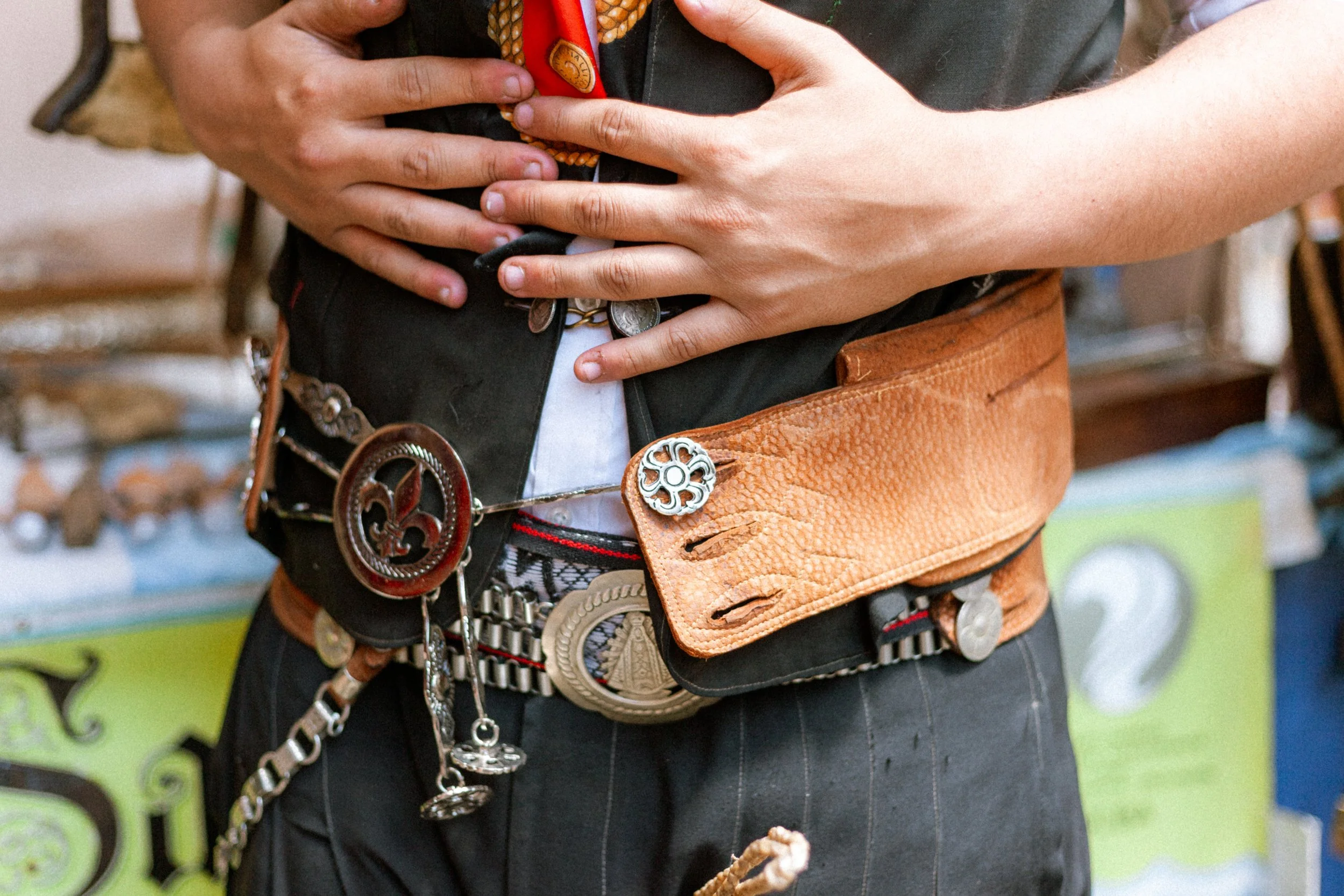
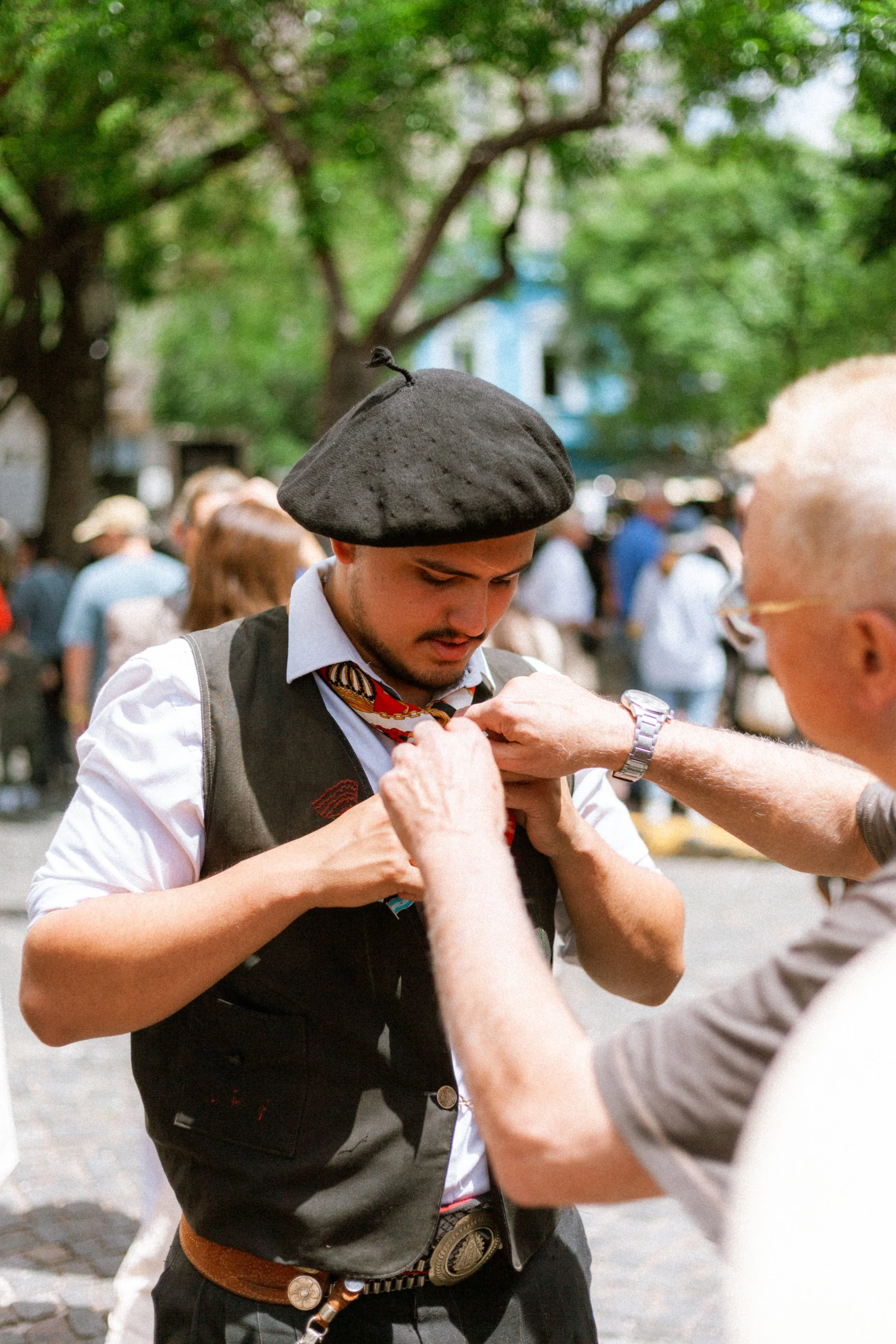
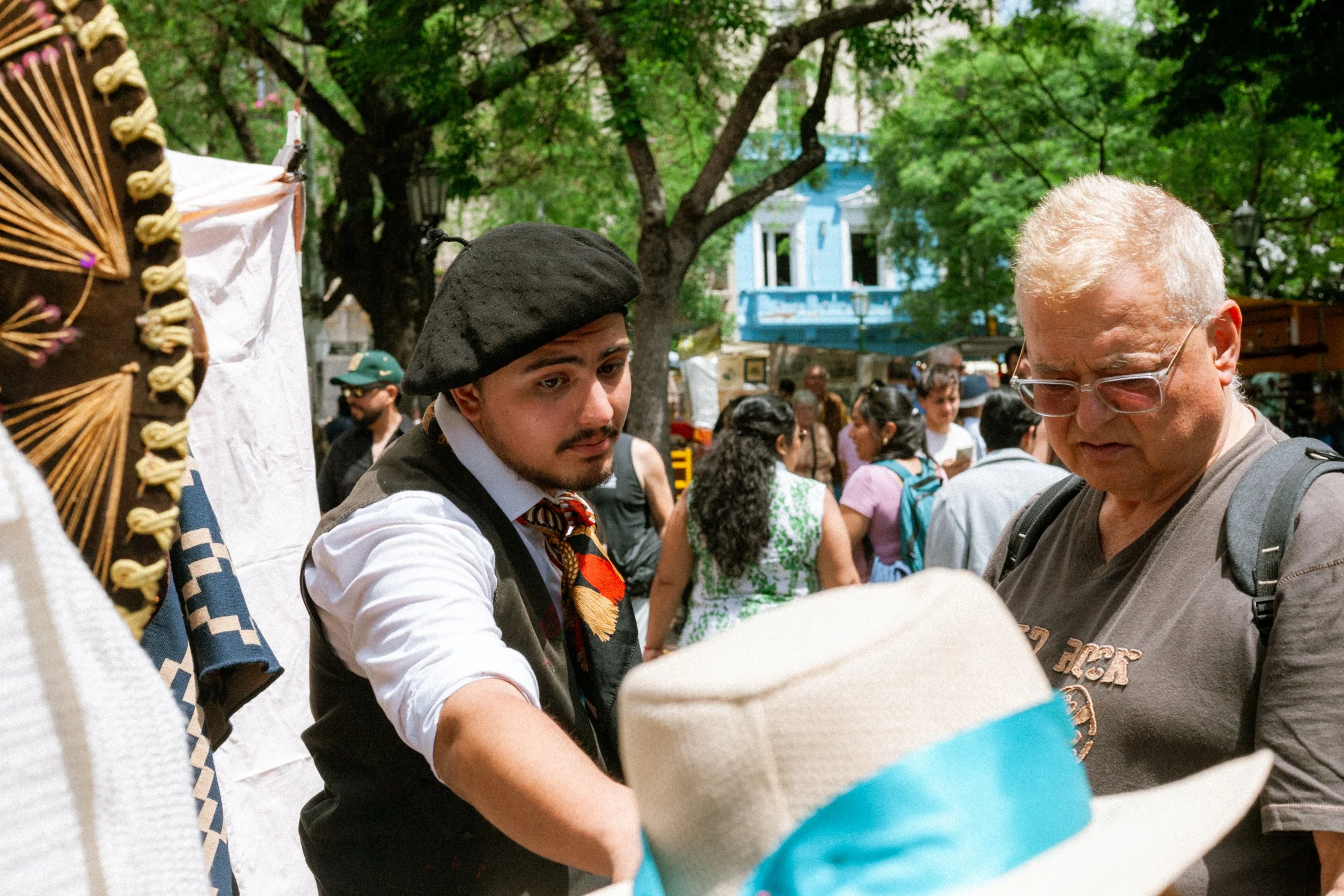
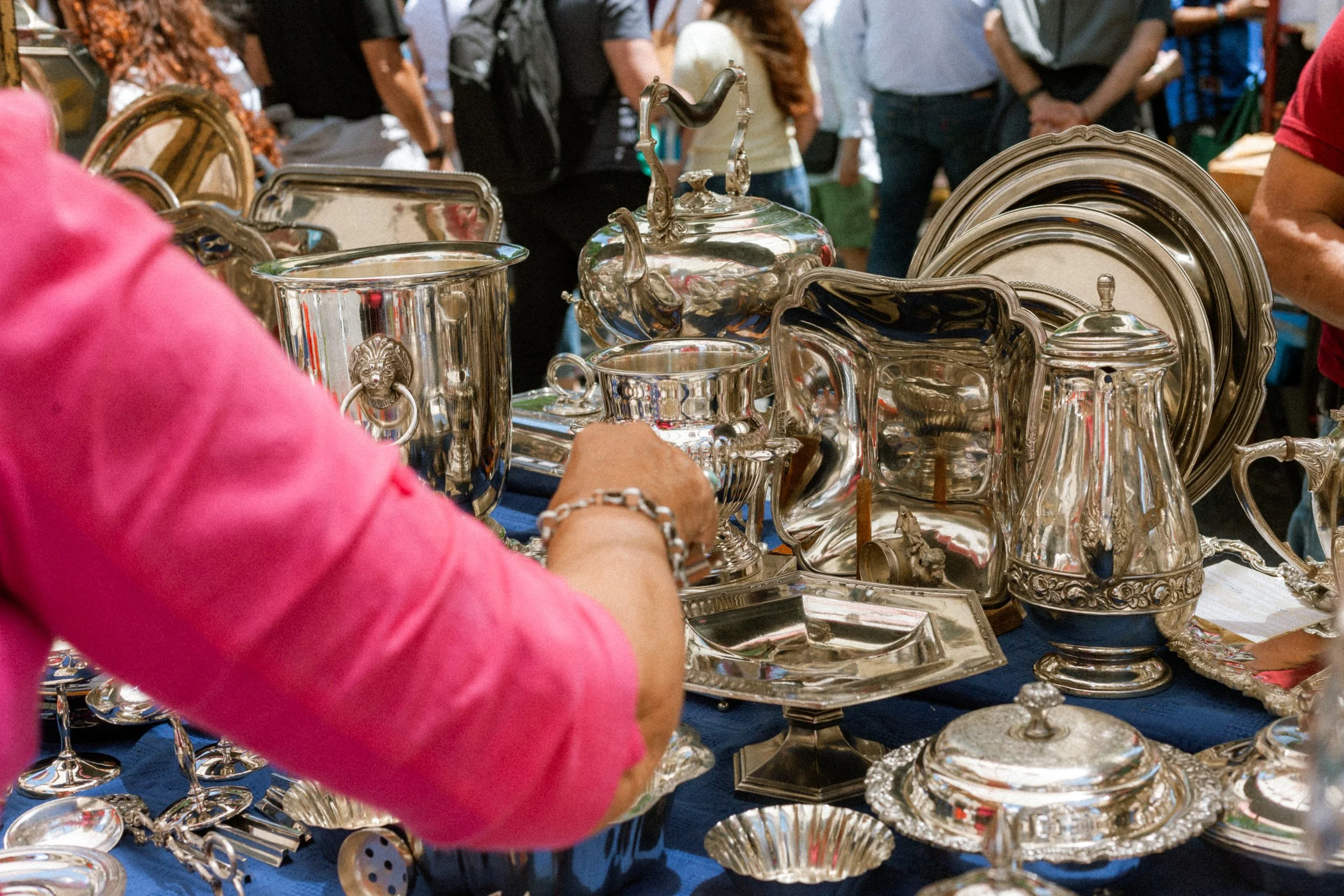
The only lucky exception came up at the San Telmo flea market - a very touristy place, with many sellers wary of or straight up allergic to cameras. Thankfully, this young gentleman agreed to pose, because I was in the right place at the right time and spoke decent Spanish. I overheard him talking to a buyer, then asked about the things he is selling, introduced myself and suggested to take a few portrait shots. He immediately agreed because, as it turned out, he needed some photos for a recently created instagram page. This way, I didn’t feel like “taking” something from him - I was giving something tangible back.
Back then, his father was a photo journalist for one of the leading newspapers of the time. His granddad was an original gaucho, and so he got back to the roots, wearing and selling authentic gaucho items and explaining their meaning. (If you’re curios, try and find this amazing documentary - I was lucky enough to watch it at a movie theater in Berlin.
This small interaction made the whole day worth it. A major milestone in my development as a photographer and something that is much, much harder to arrange here in Germany, where people are hesitant to have their pictures taken.
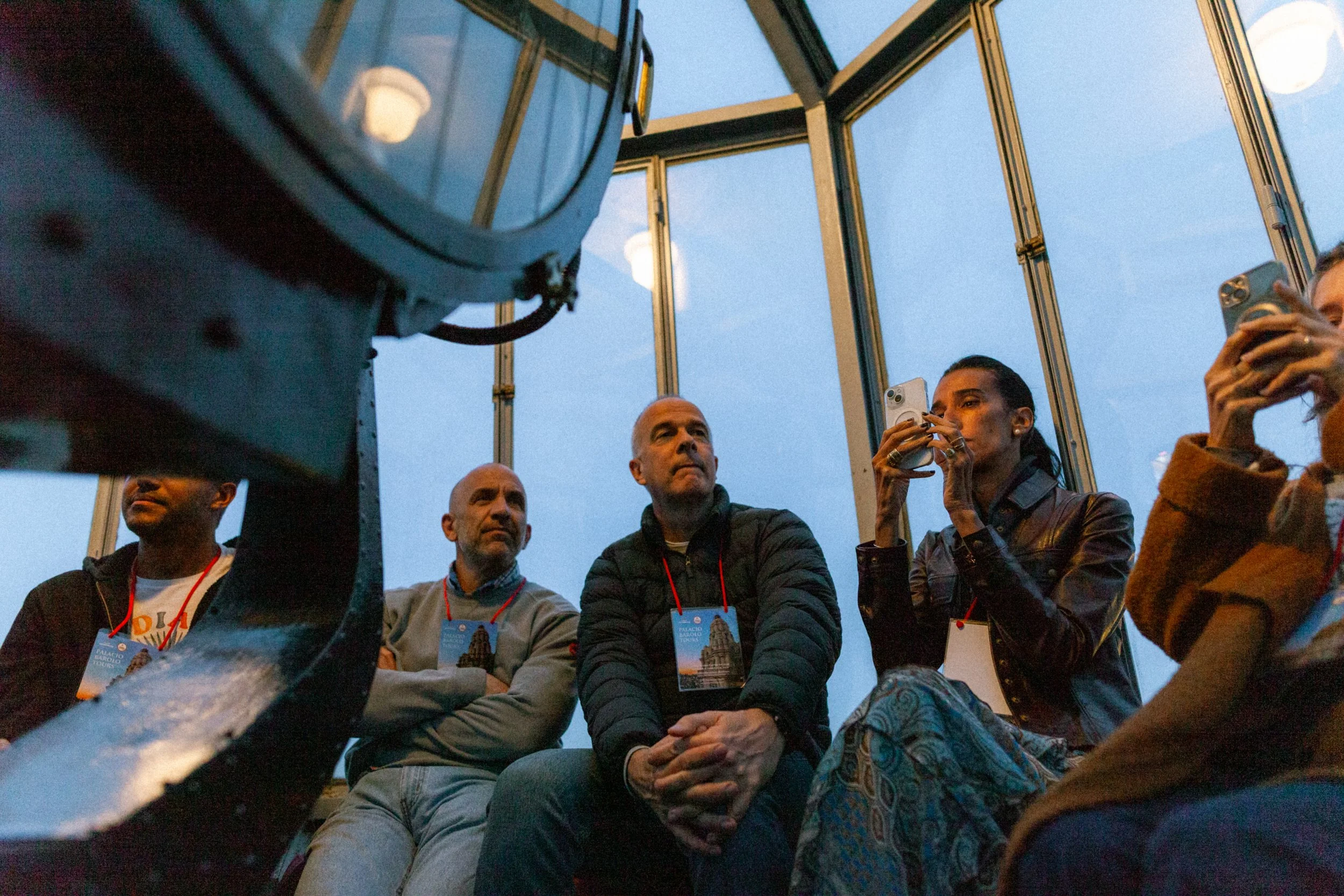
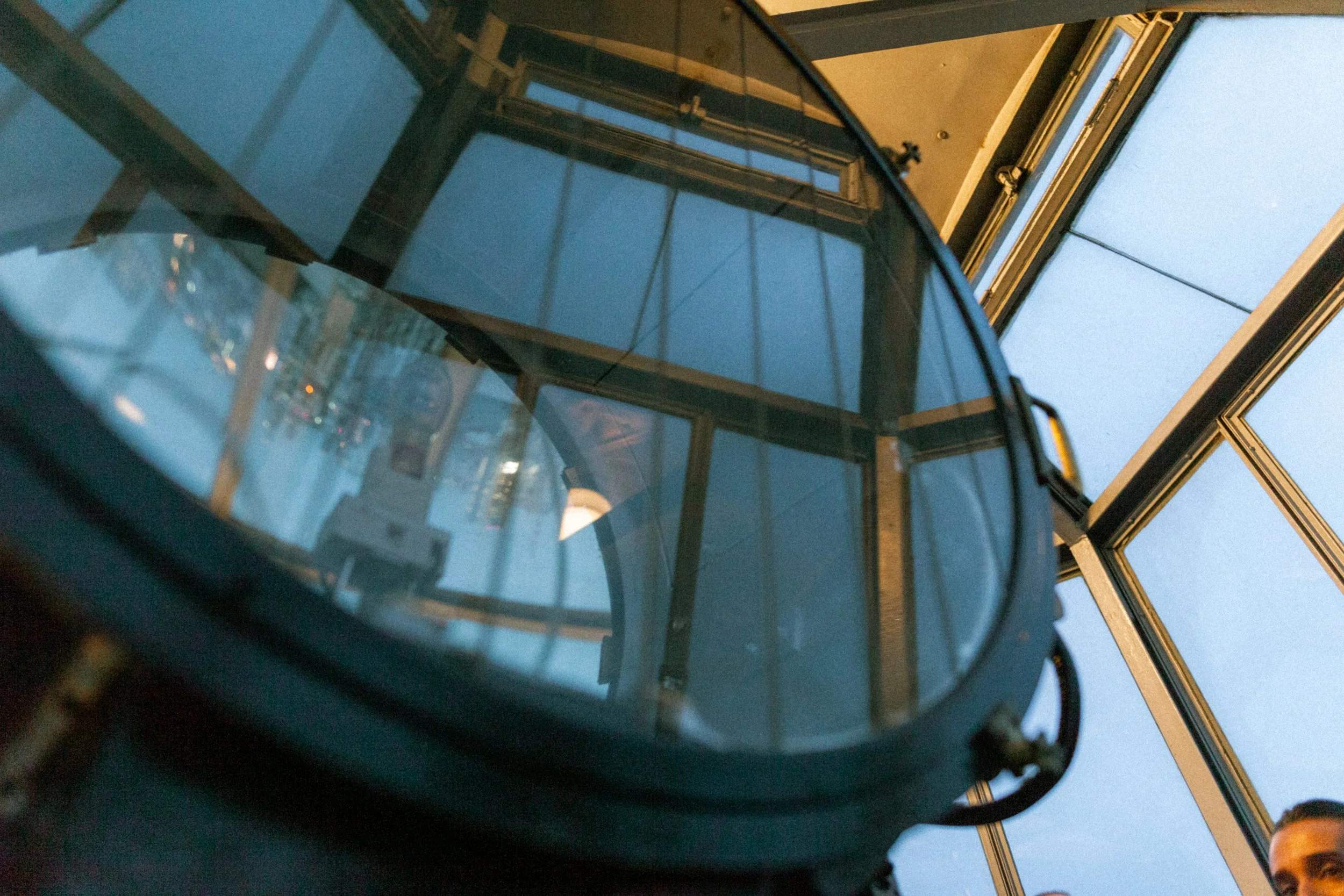
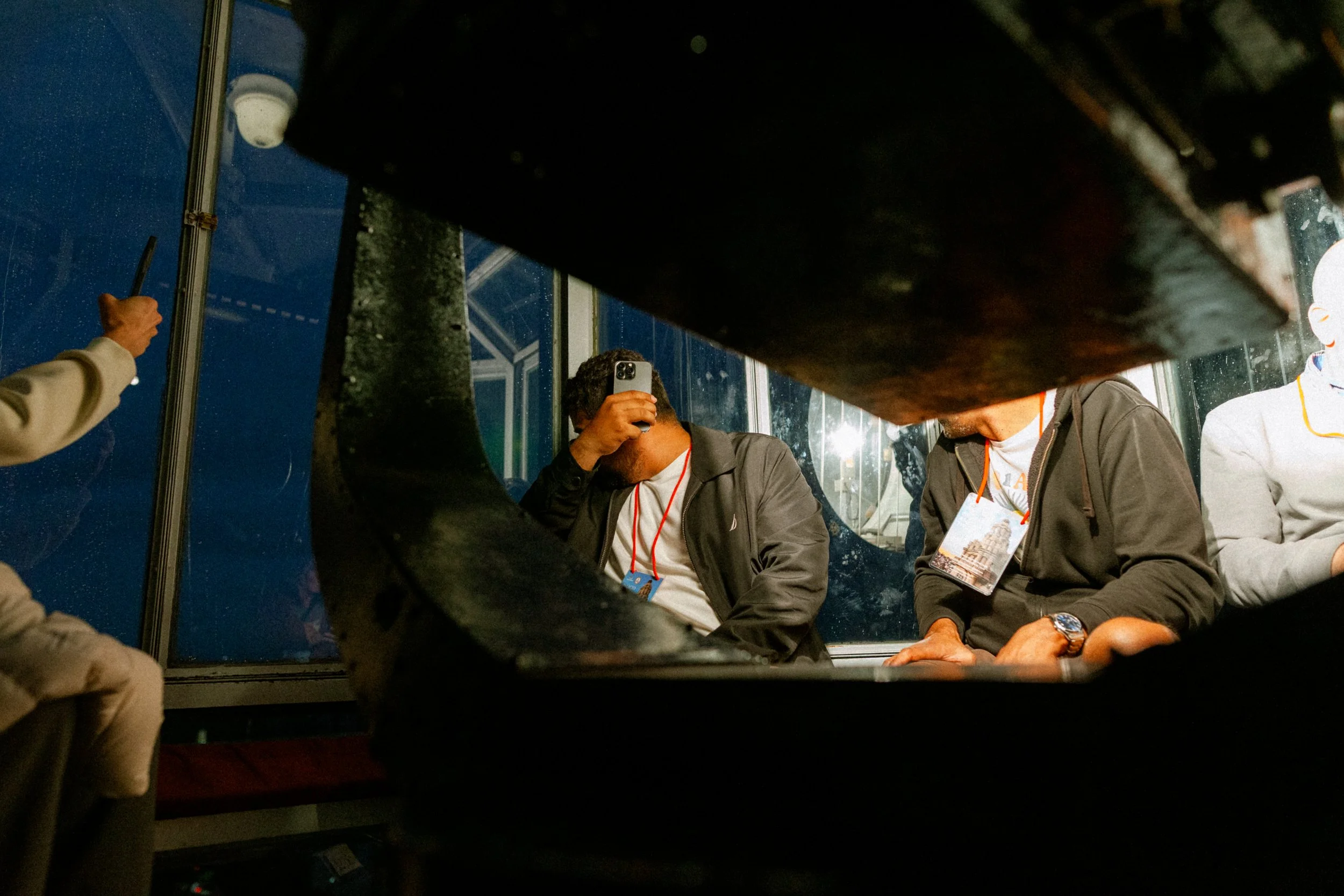
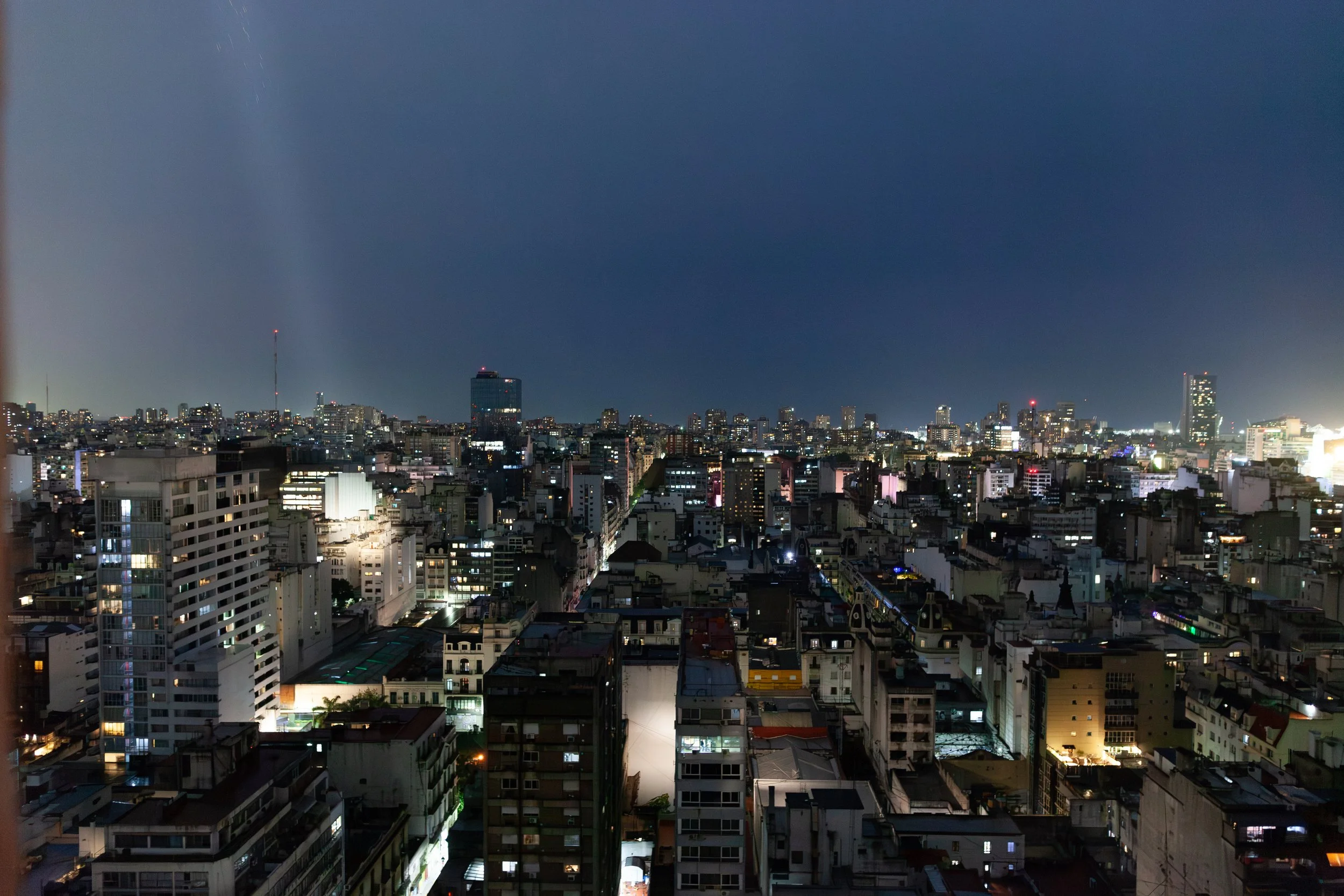
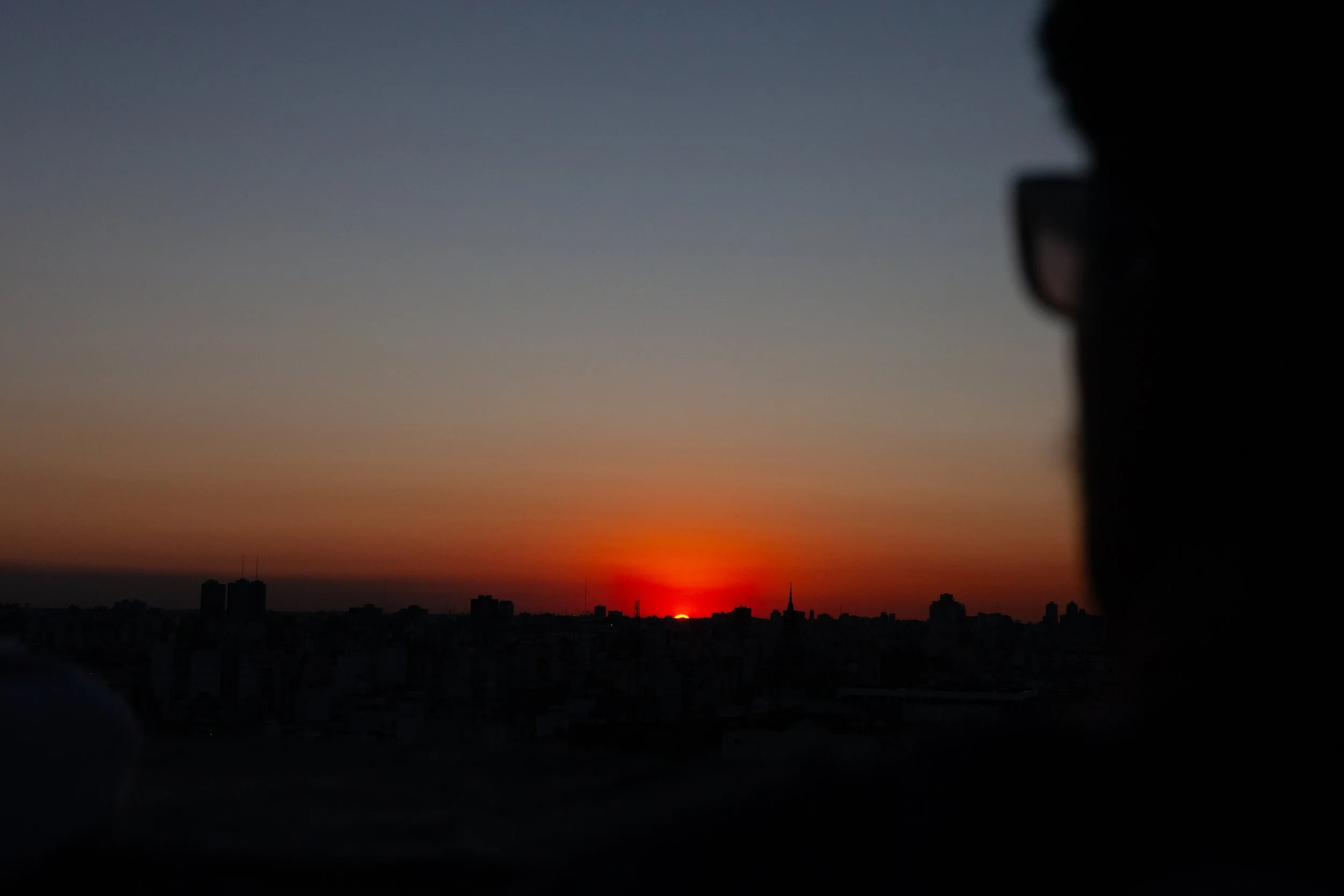
Another special occasion was an architecture tour to Palacio Barolo, a monumental eclectic building in the city center. Not only we went to the very top of the building - the guide lit up the projector for us and put a part of the night cityscape into a spotlight! Writing about it now, months later, I’m still as excited as I was back then.
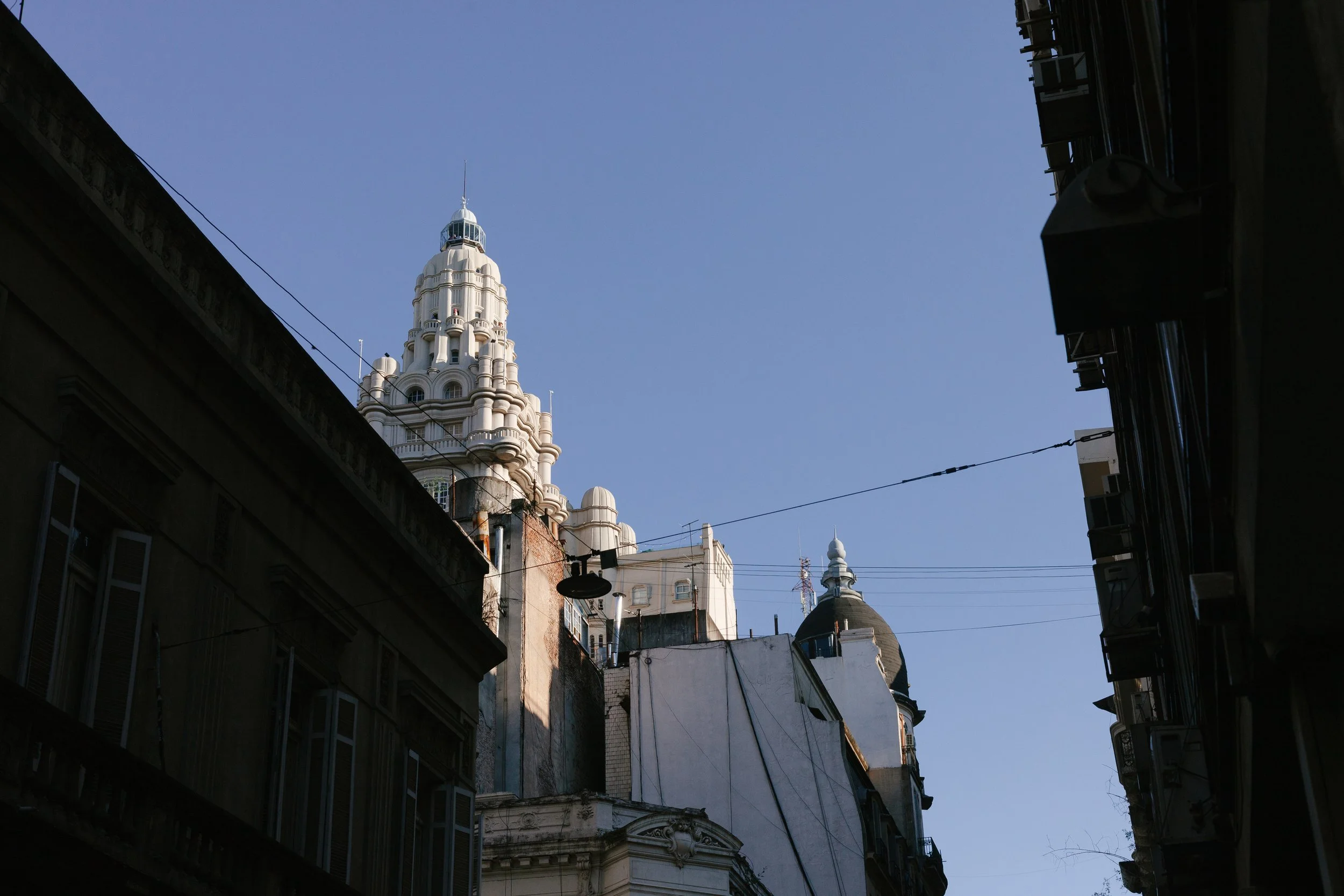
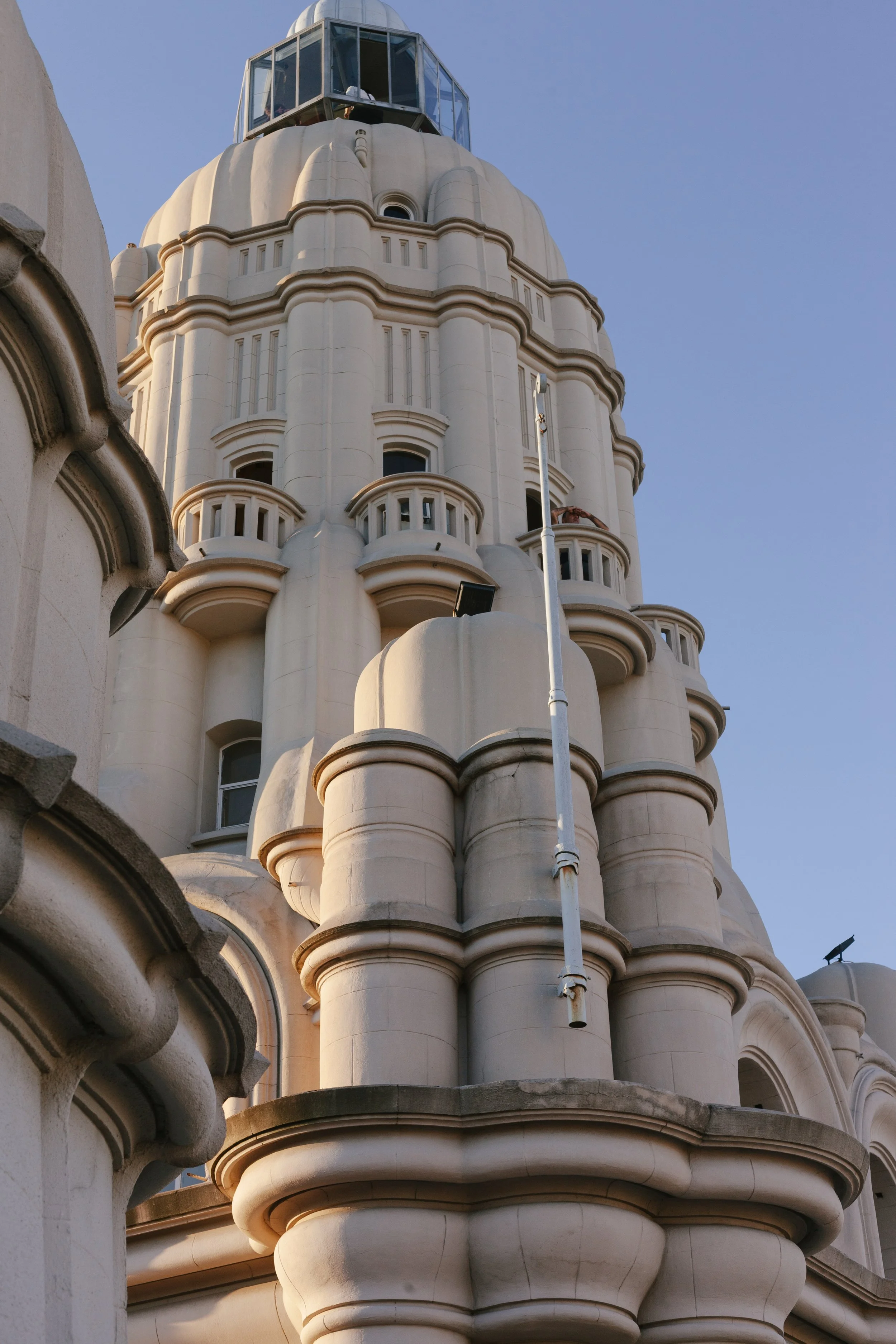
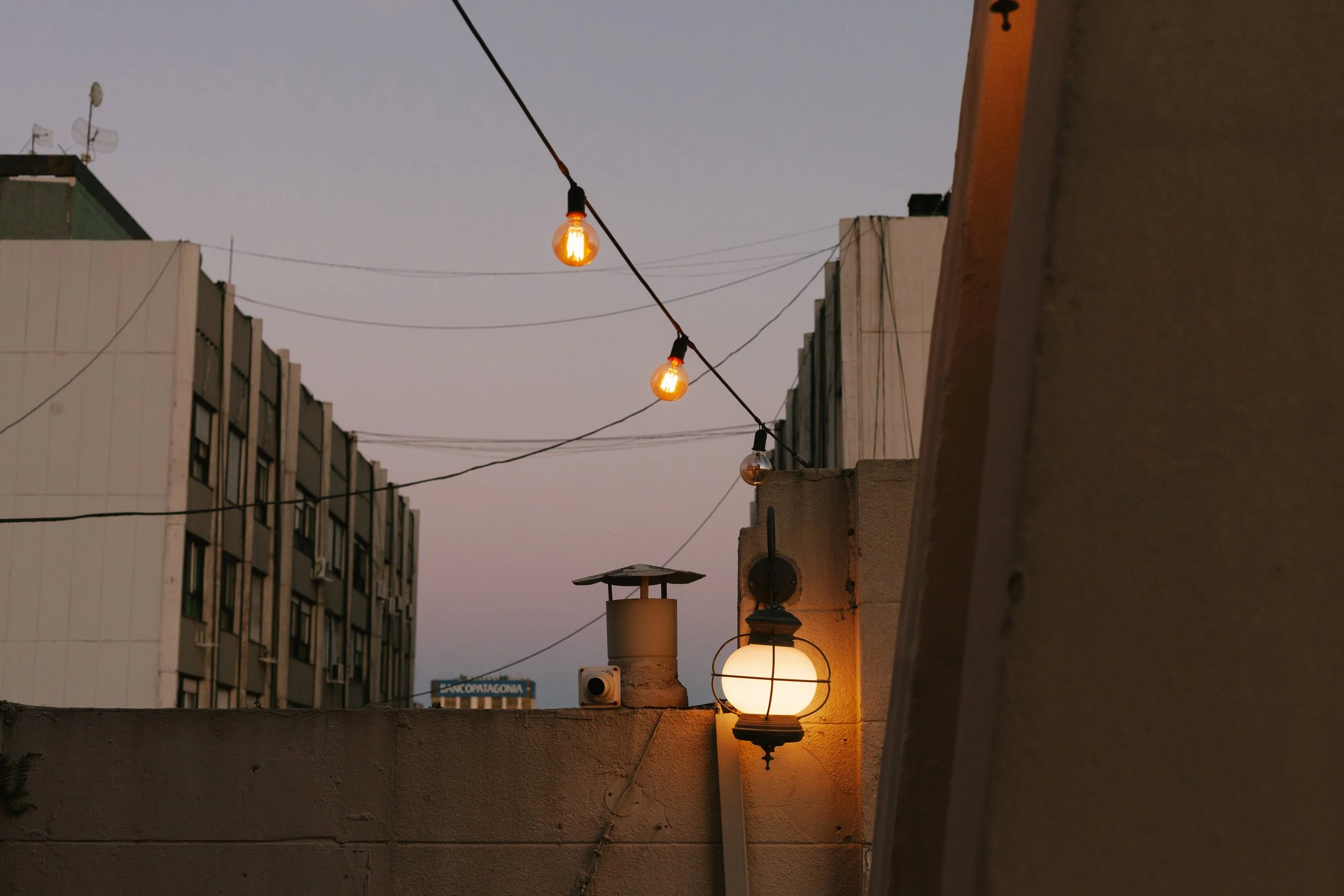
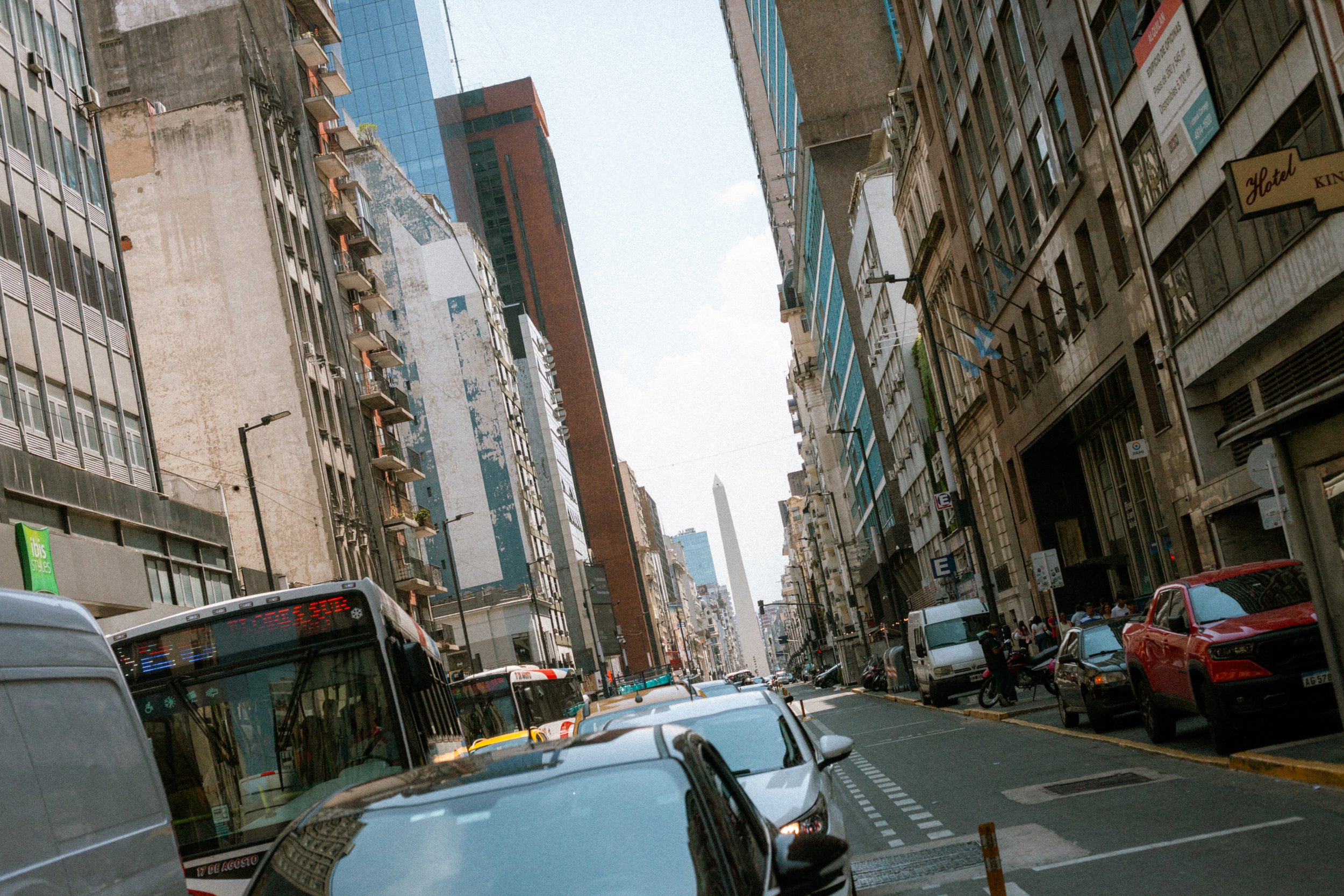
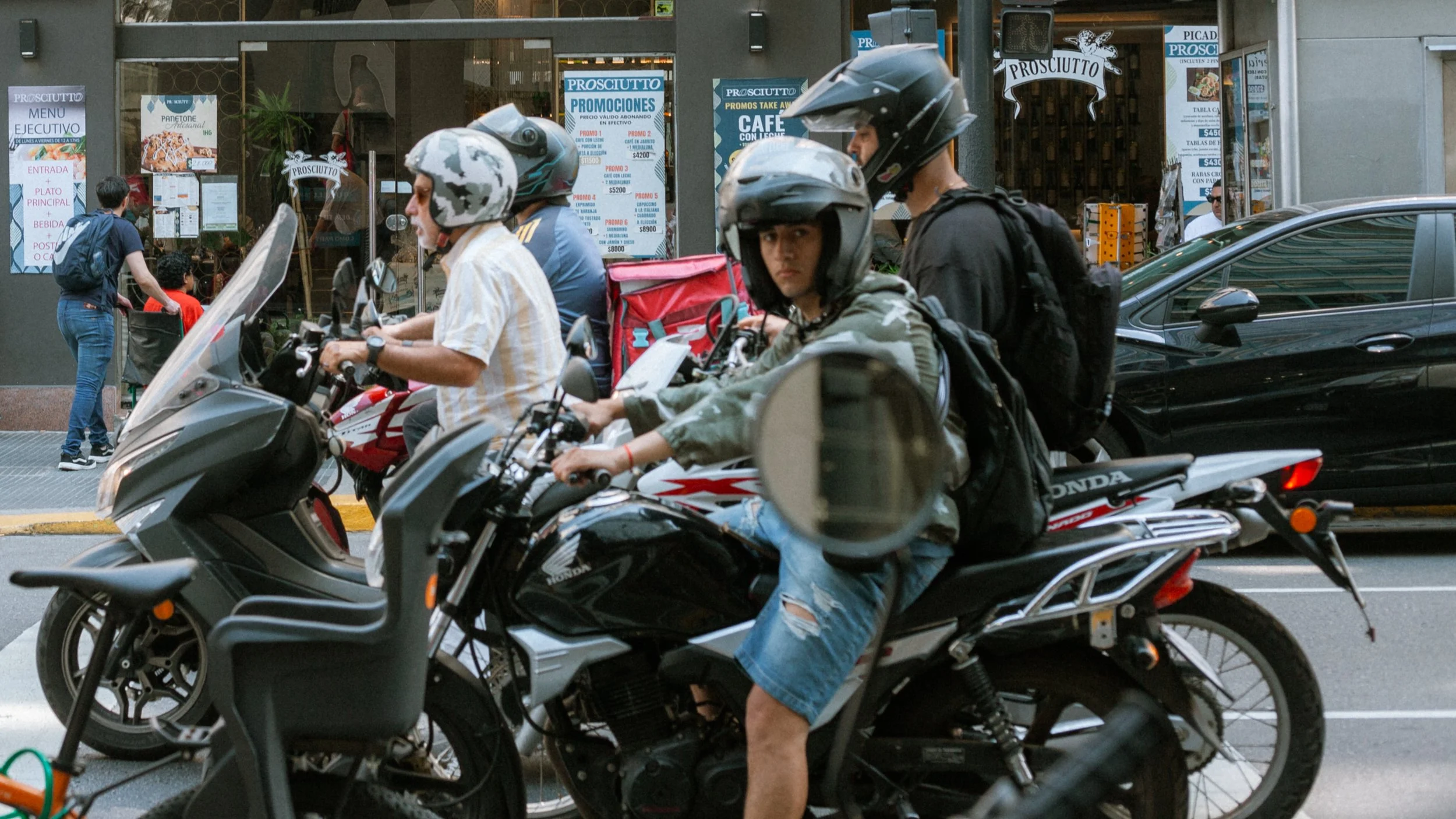
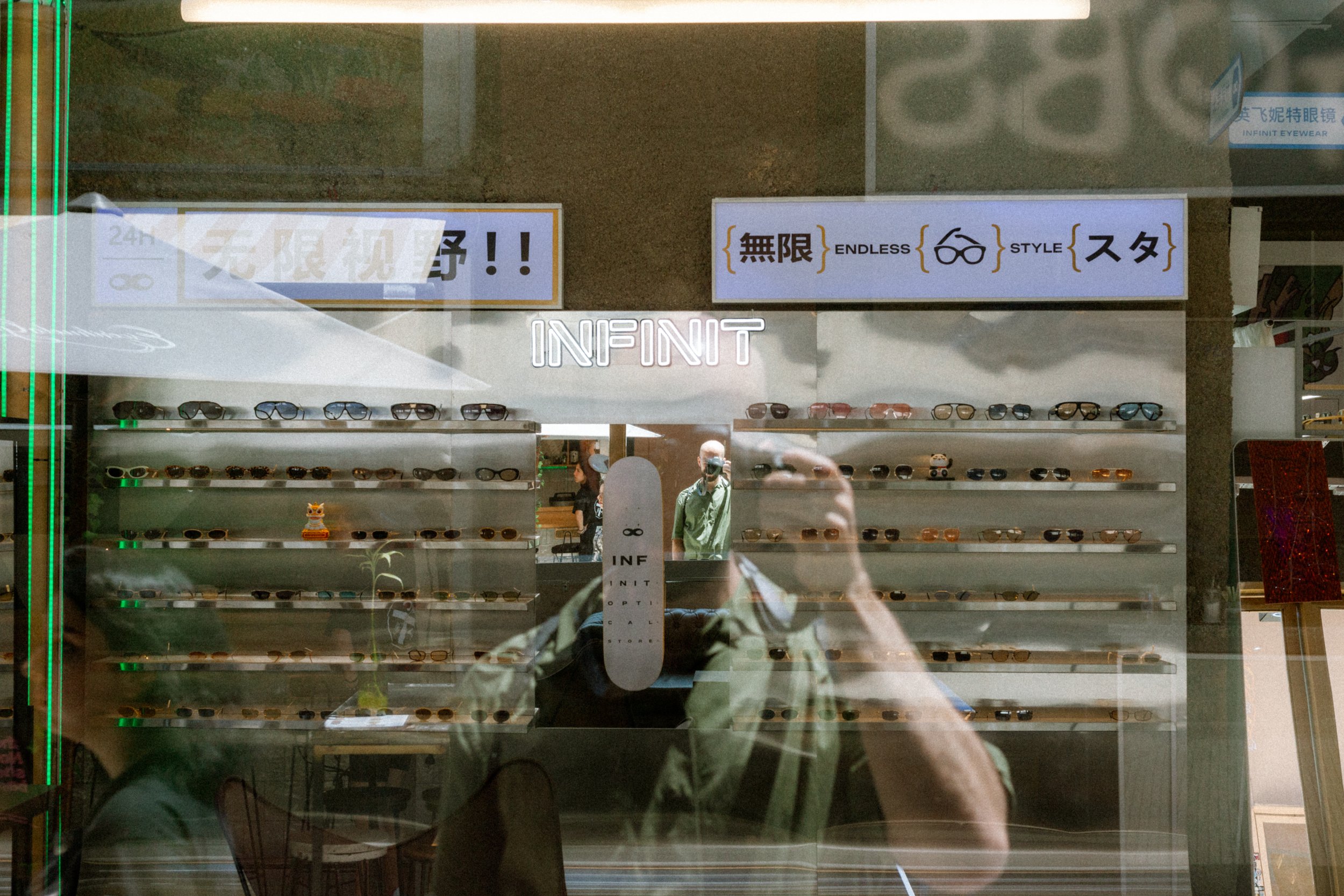
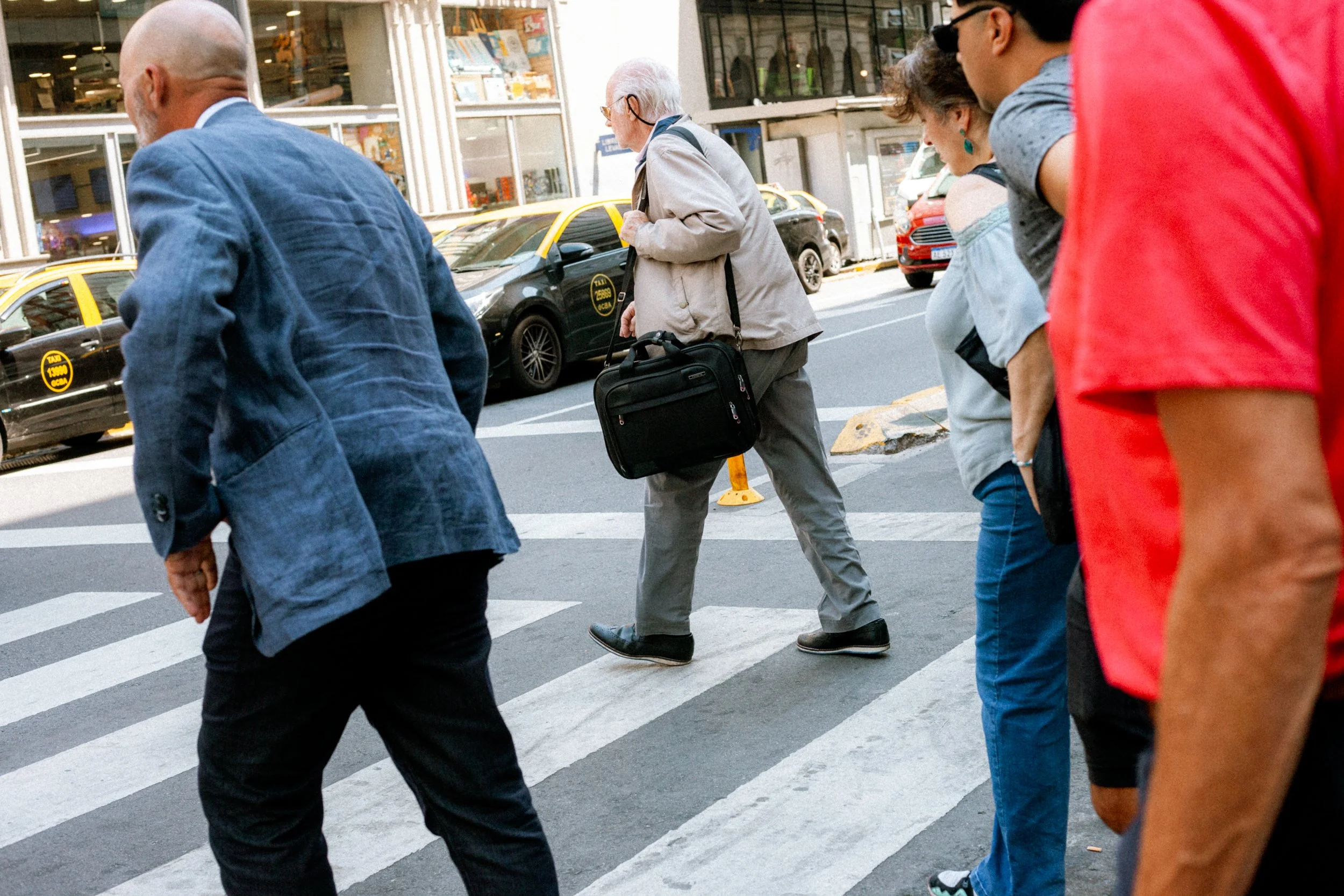
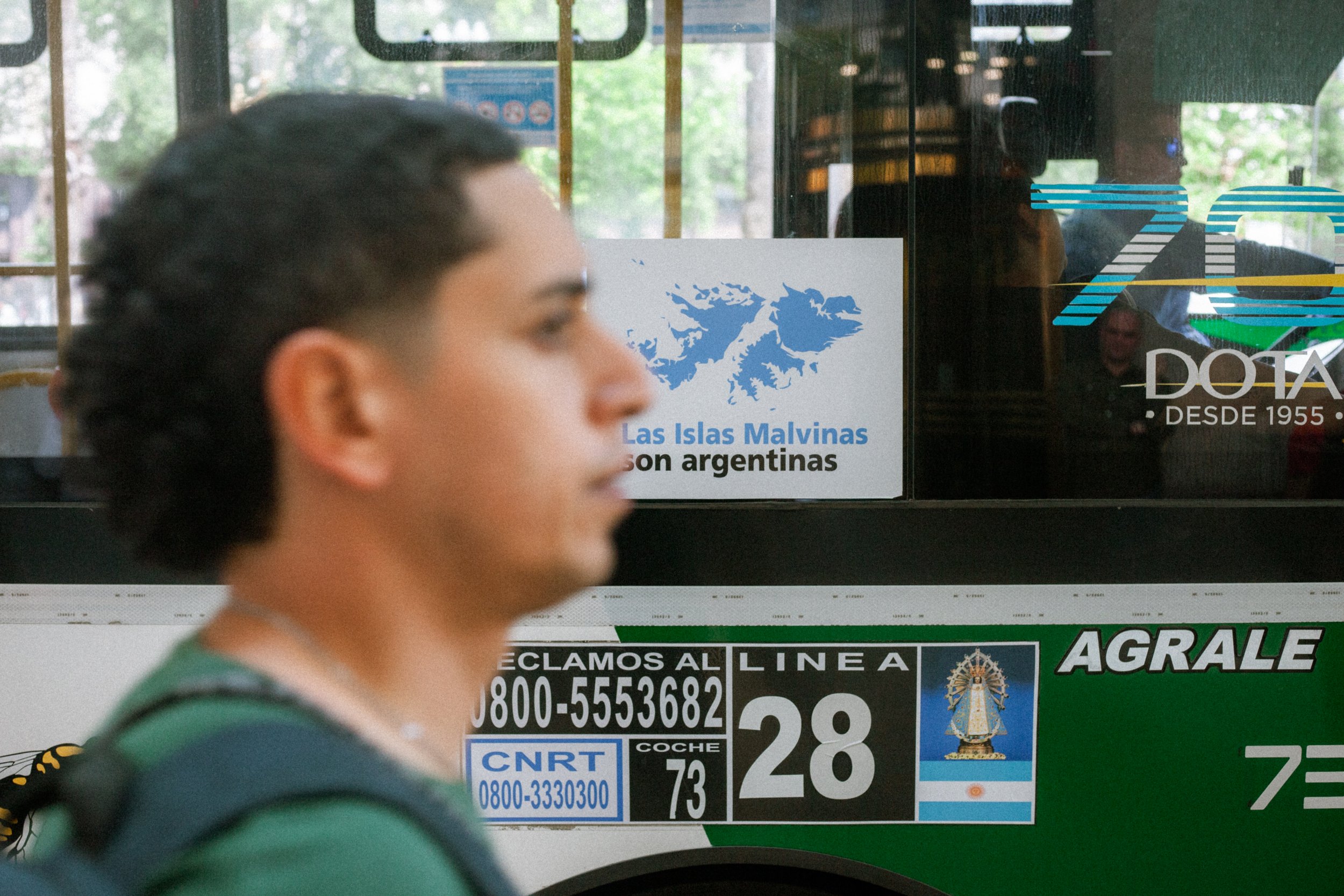
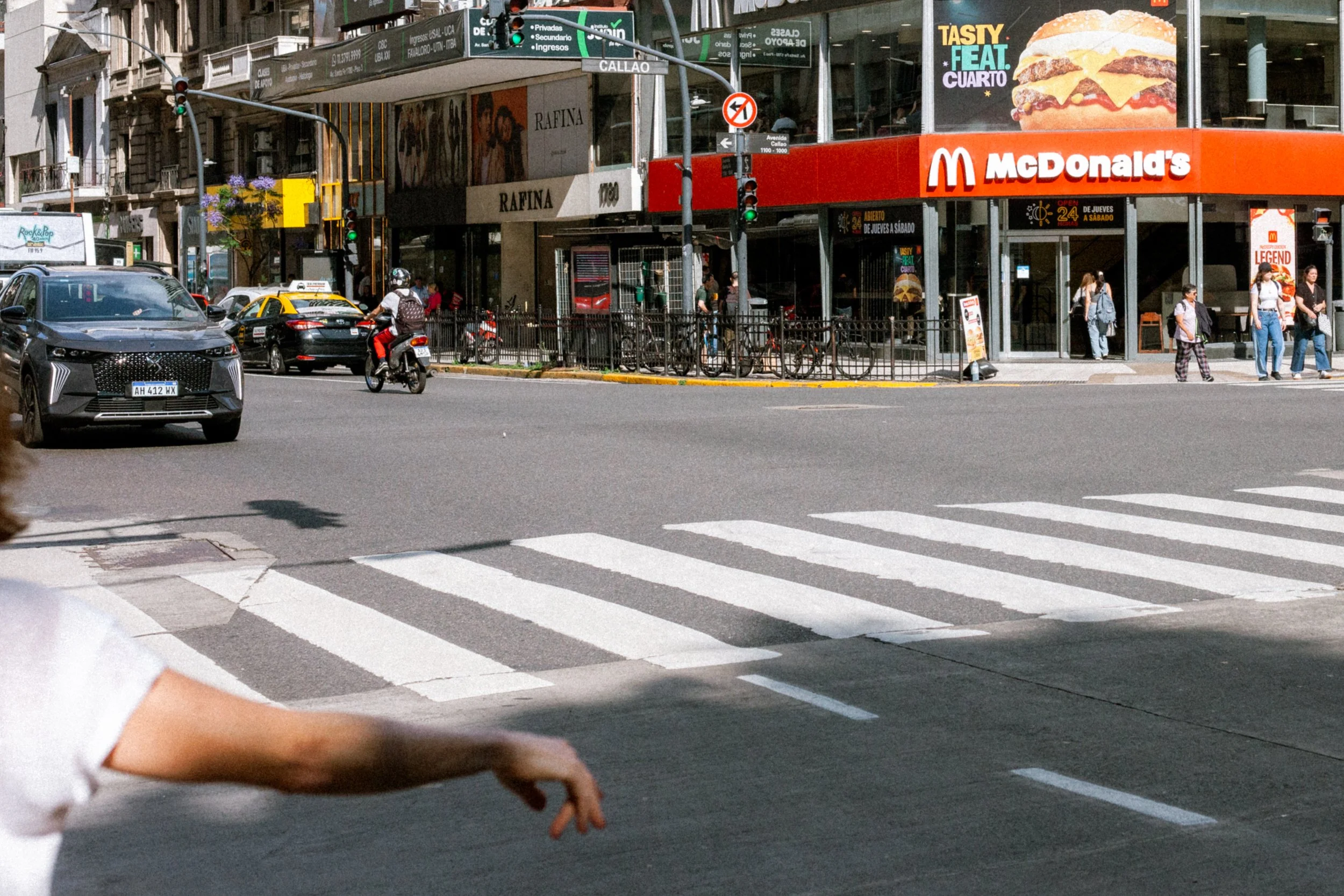
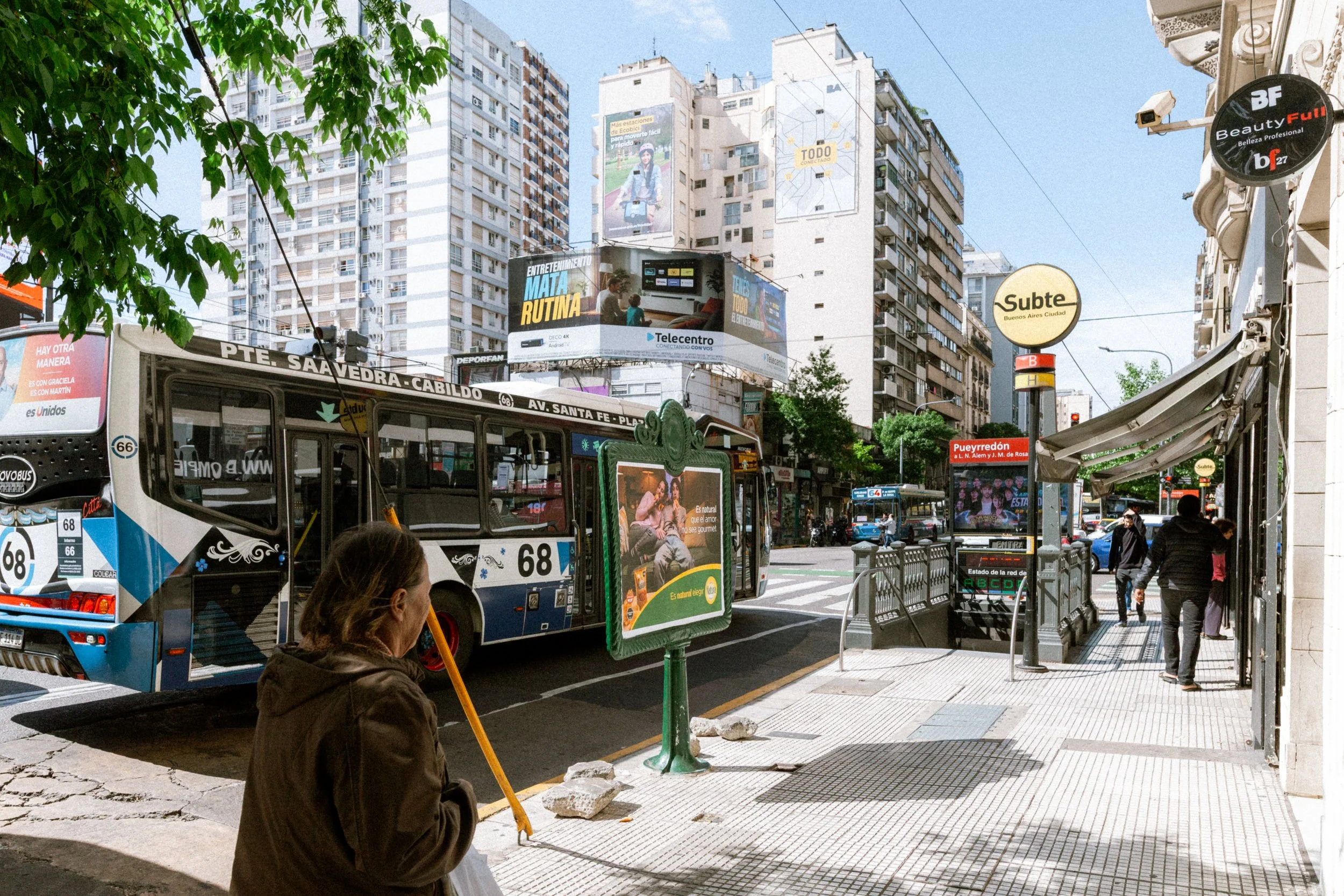
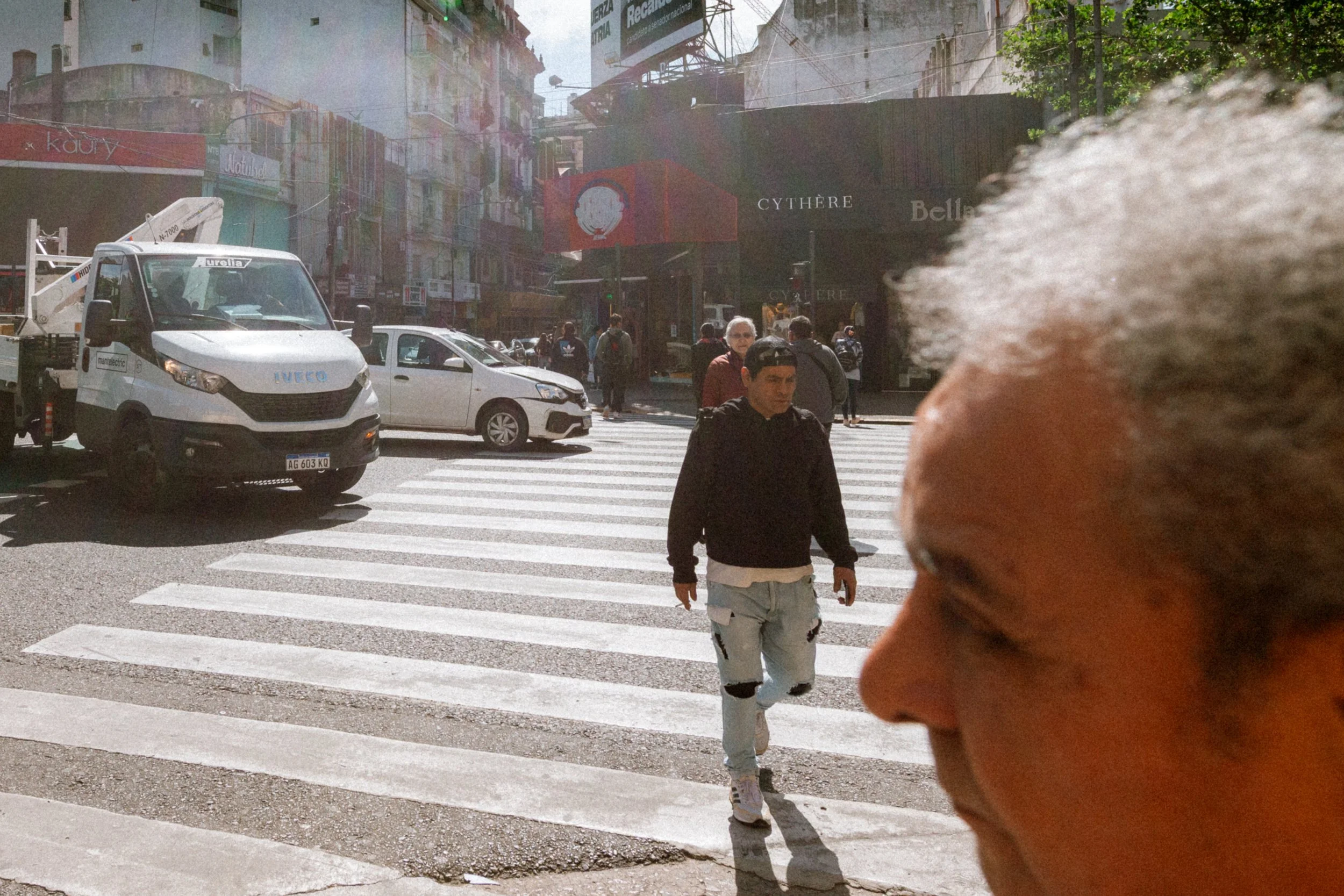
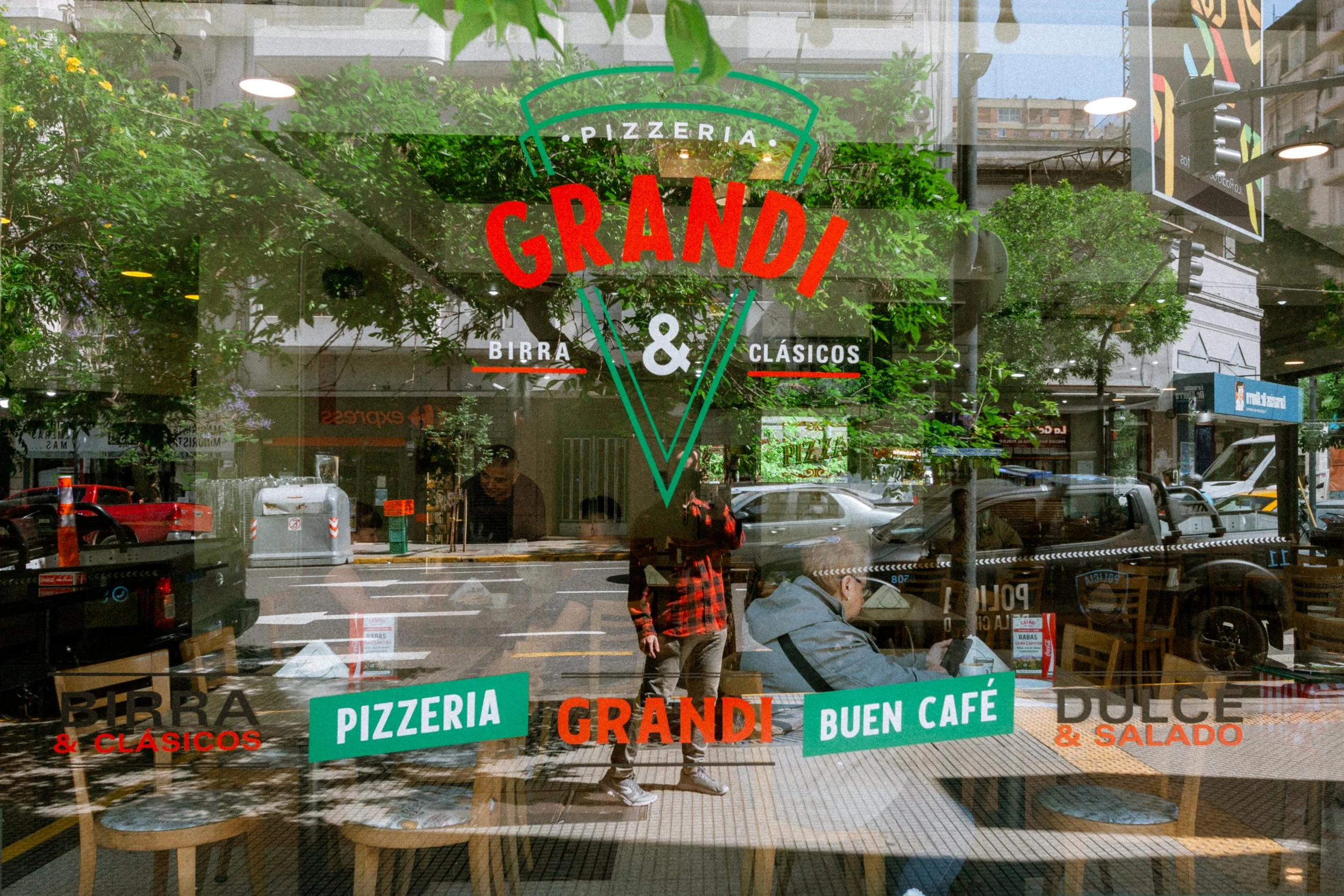
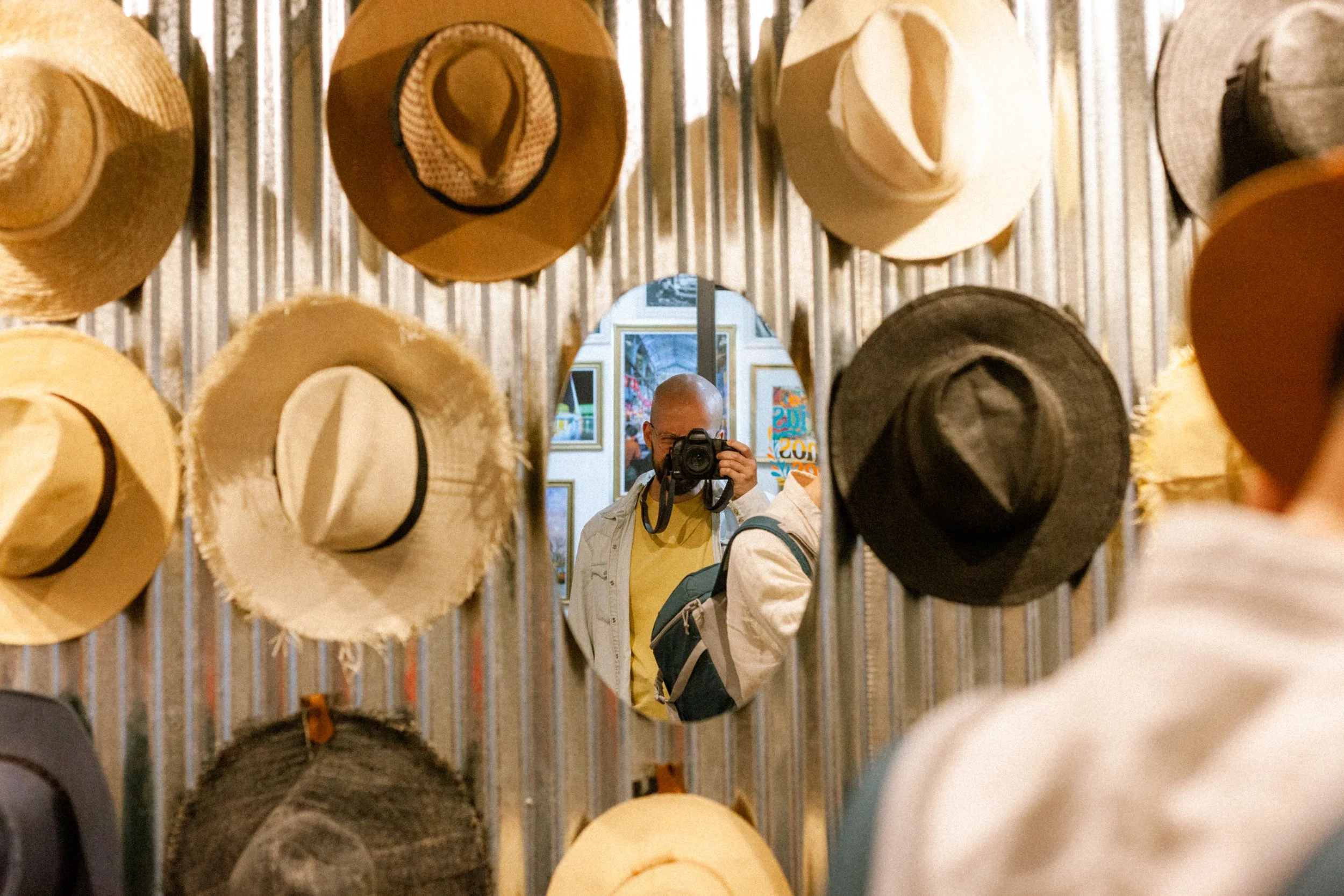
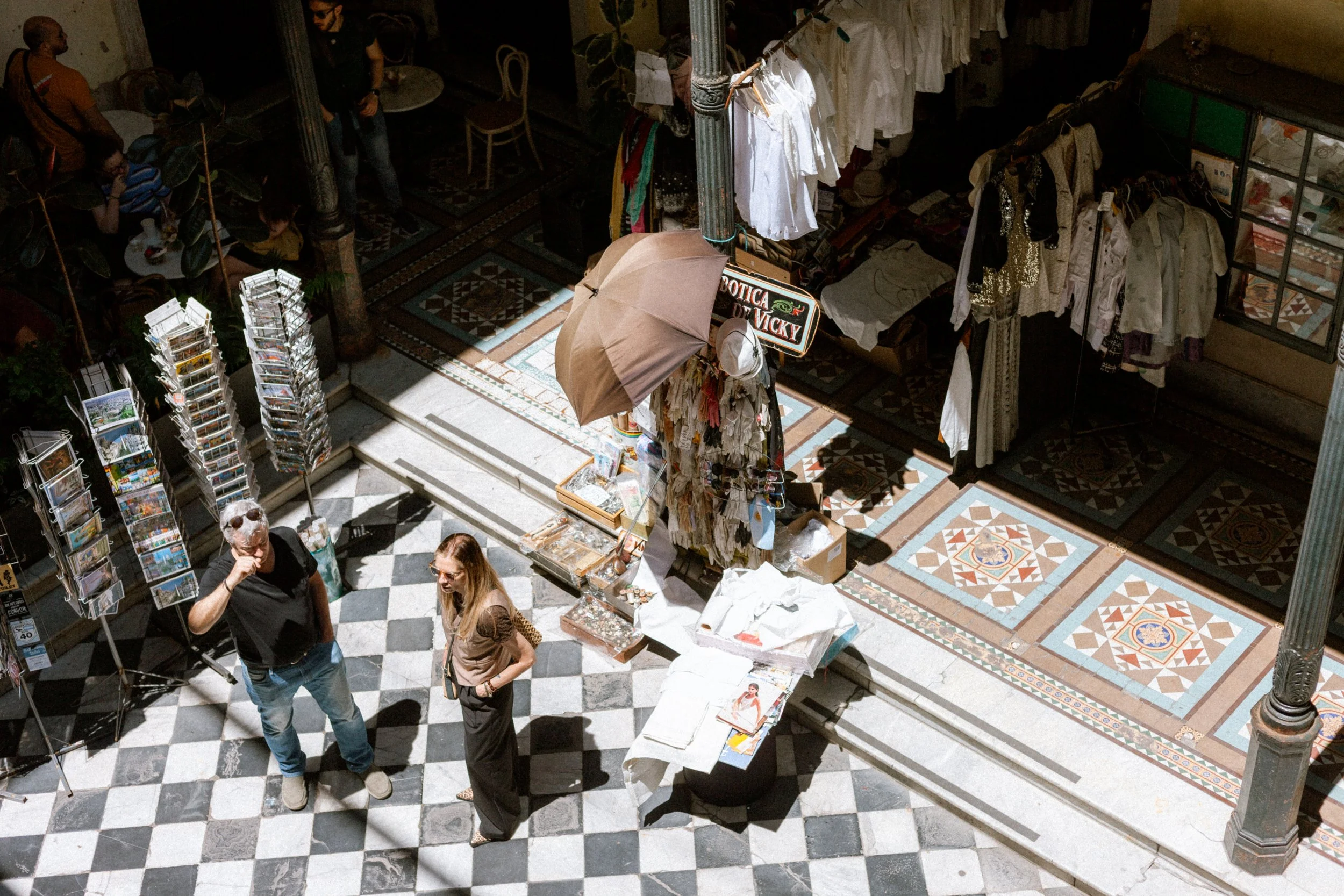
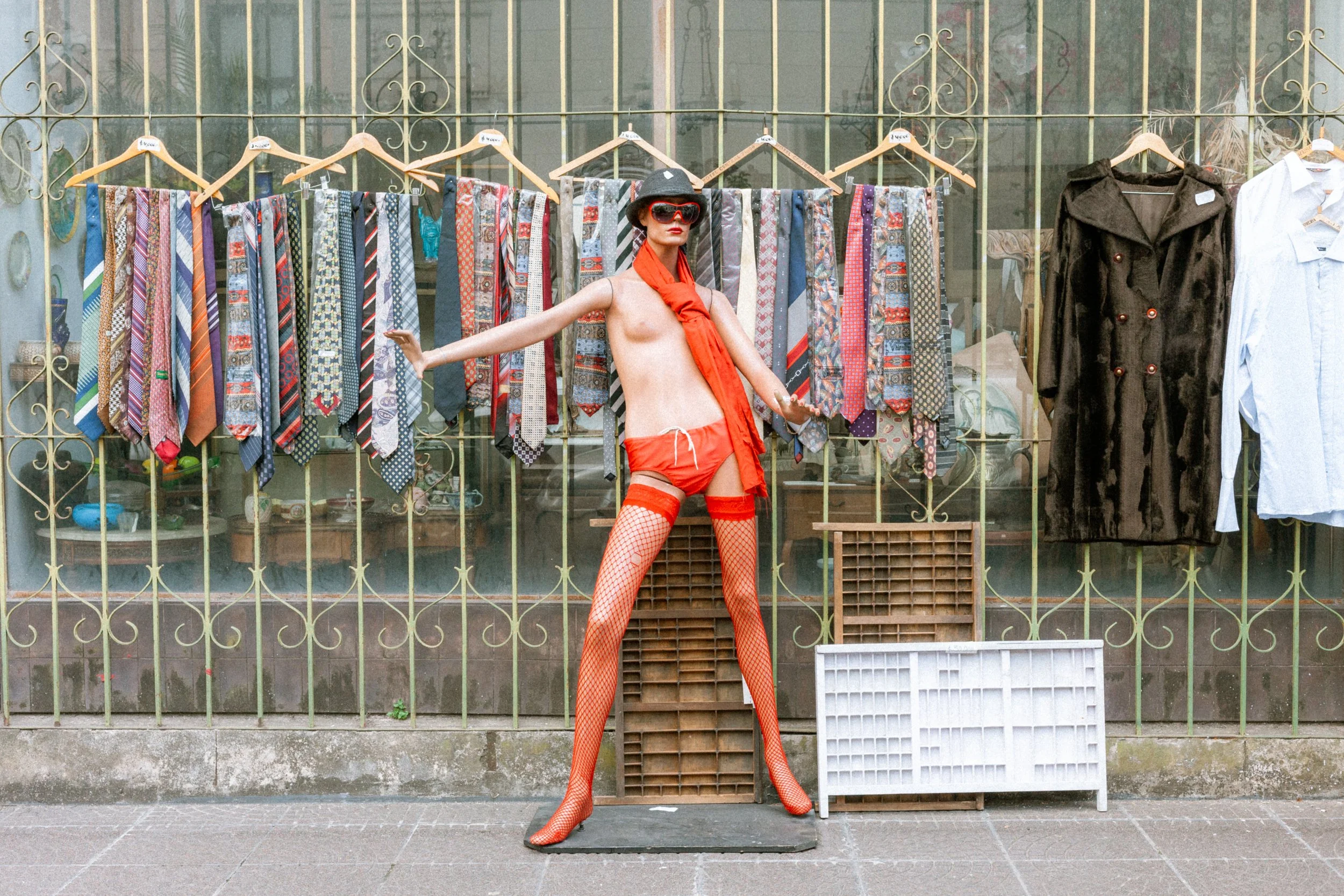
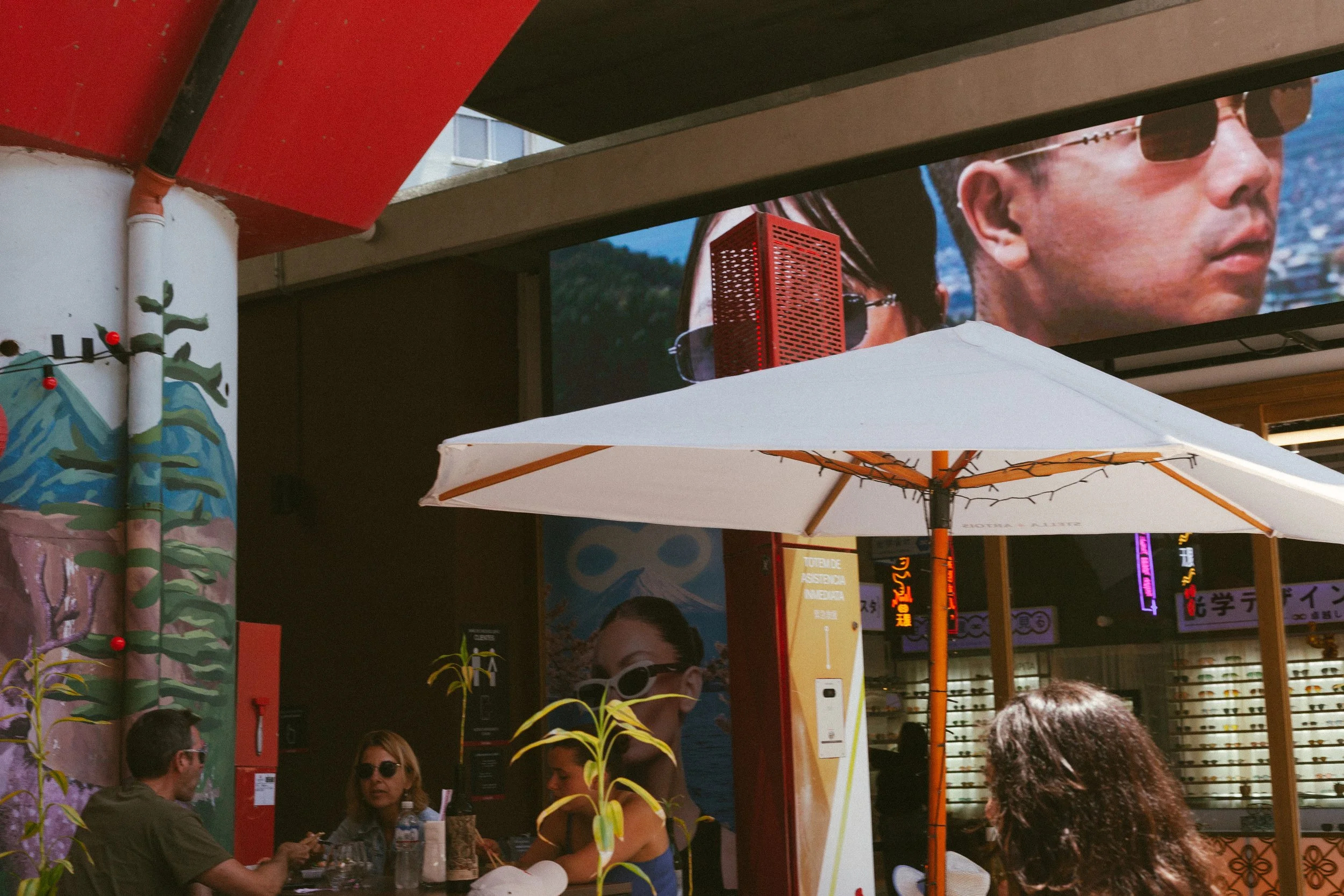
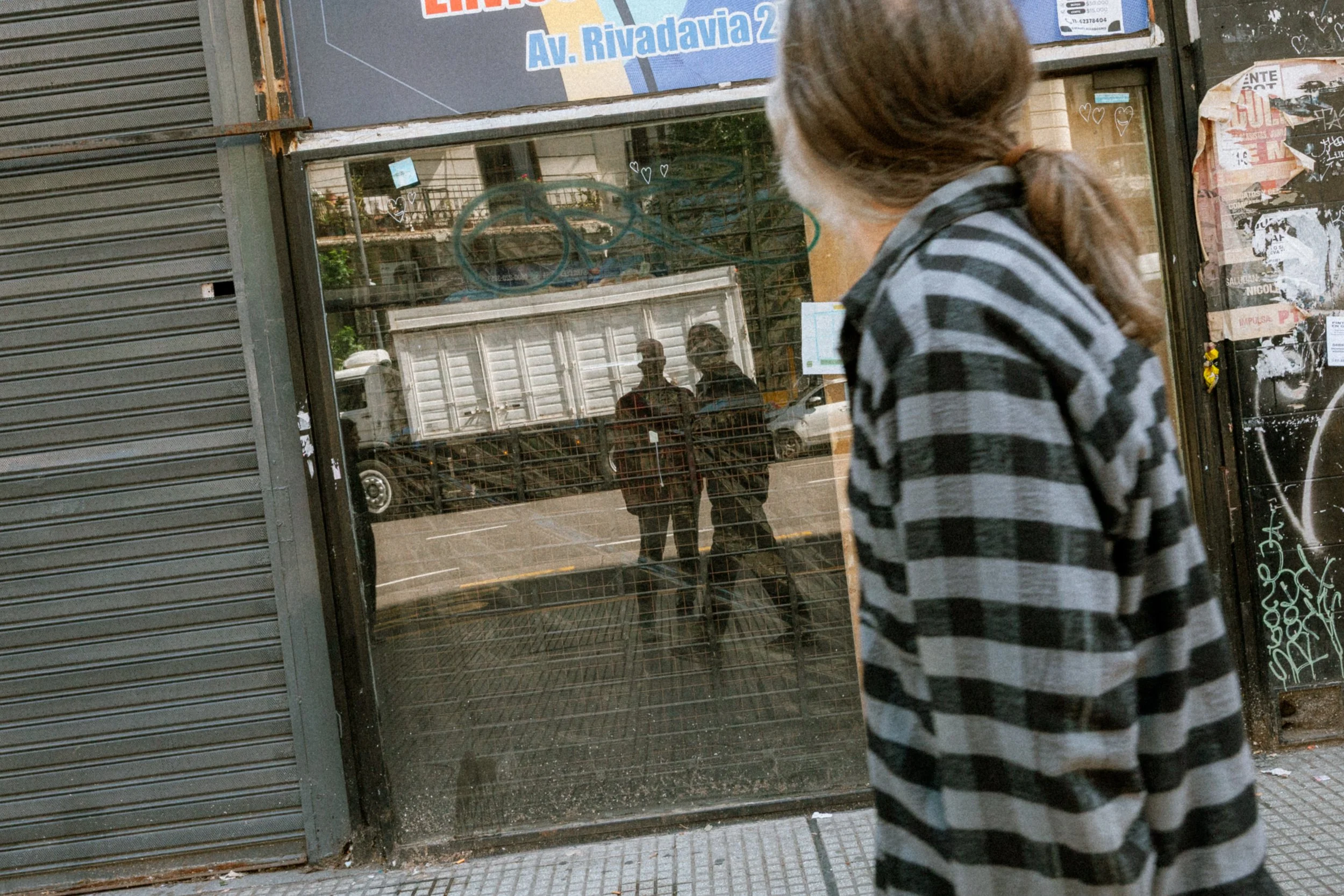
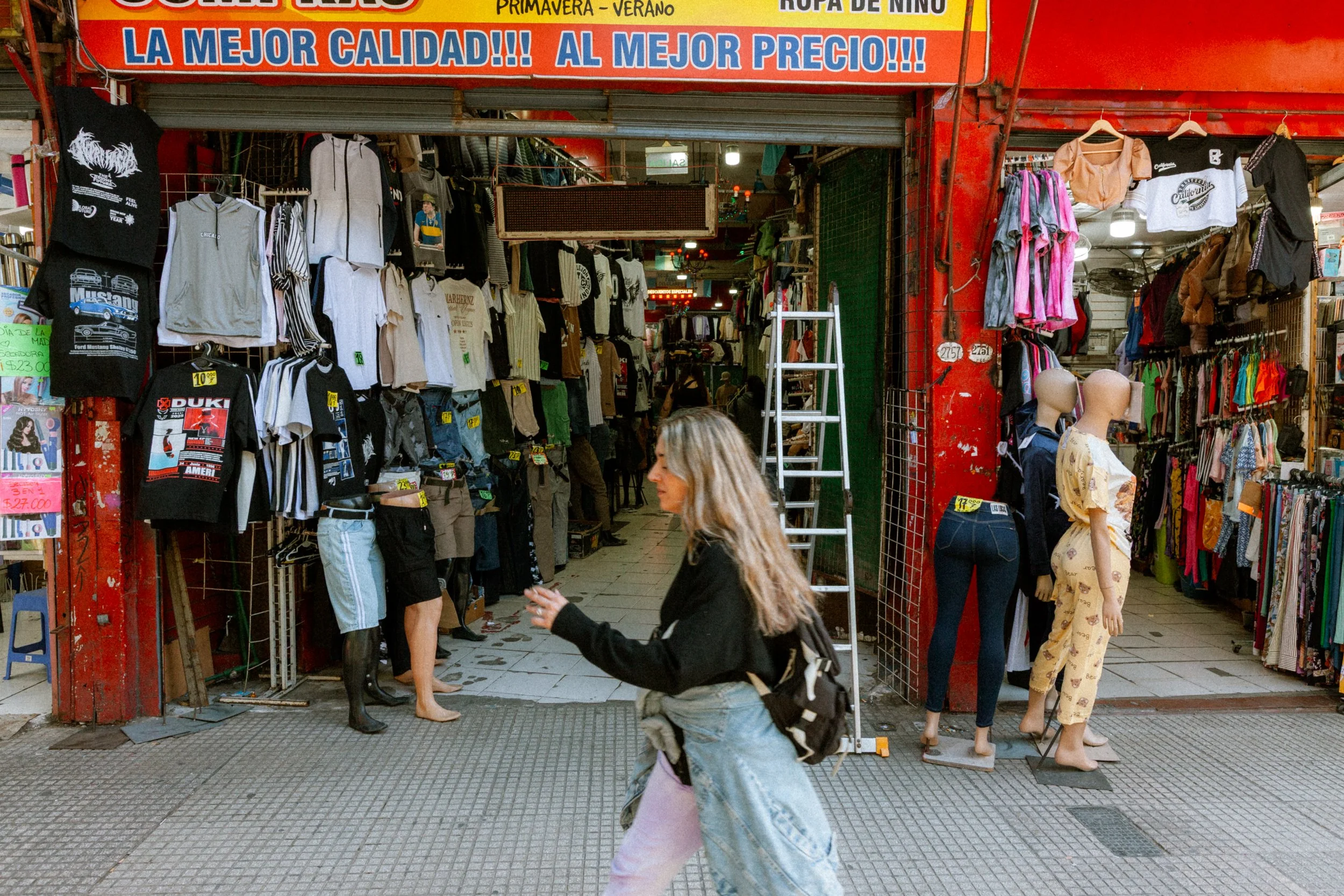
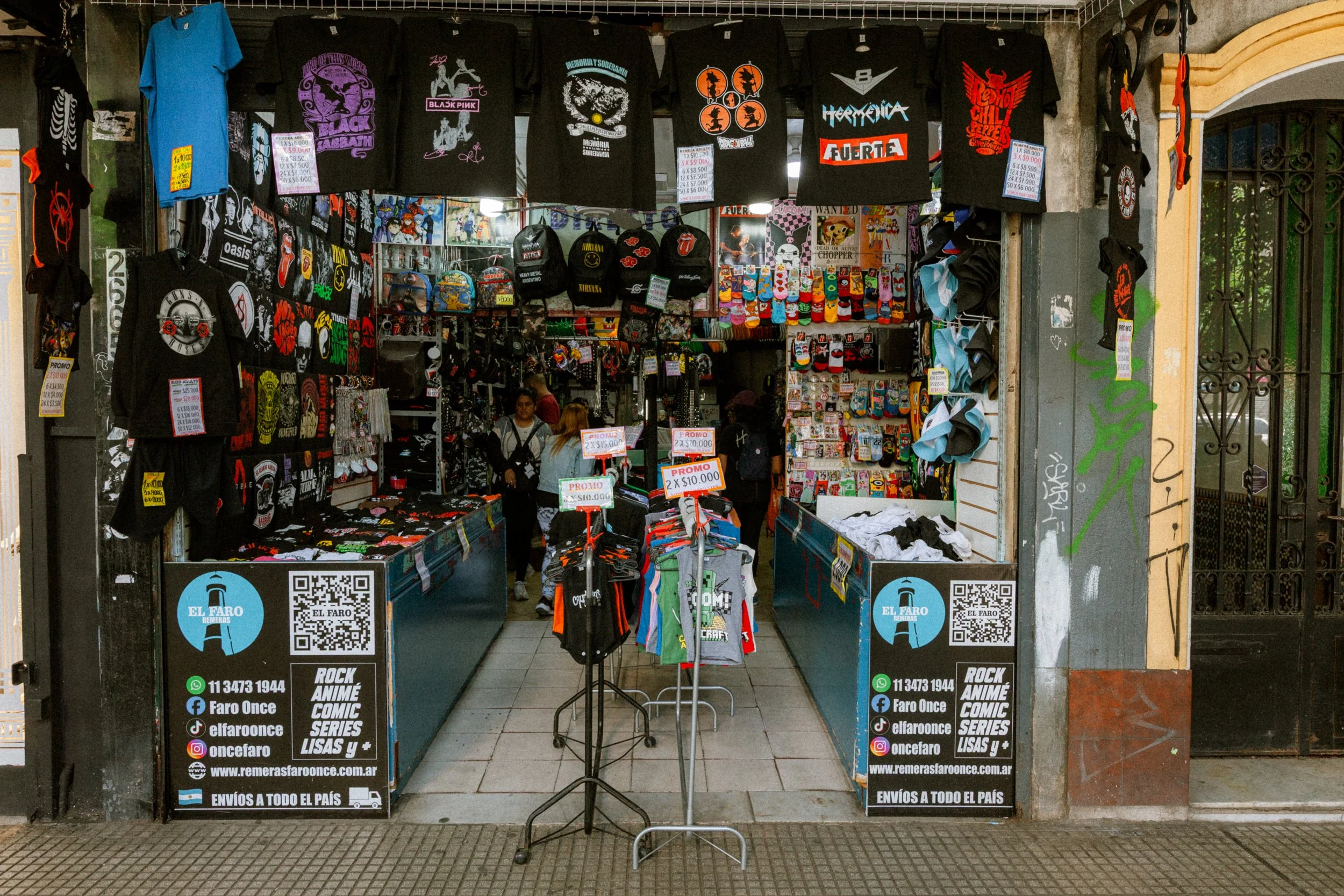
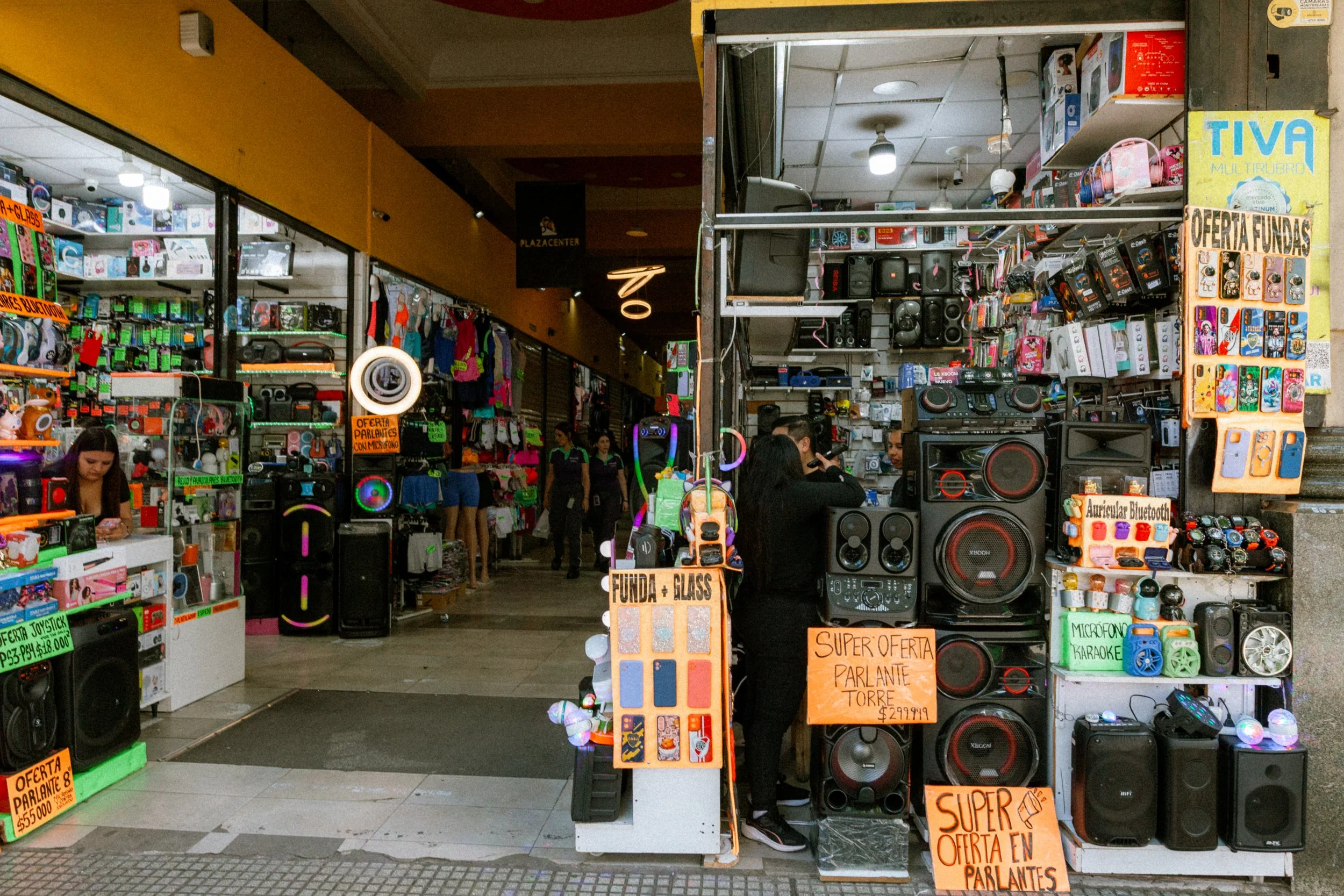
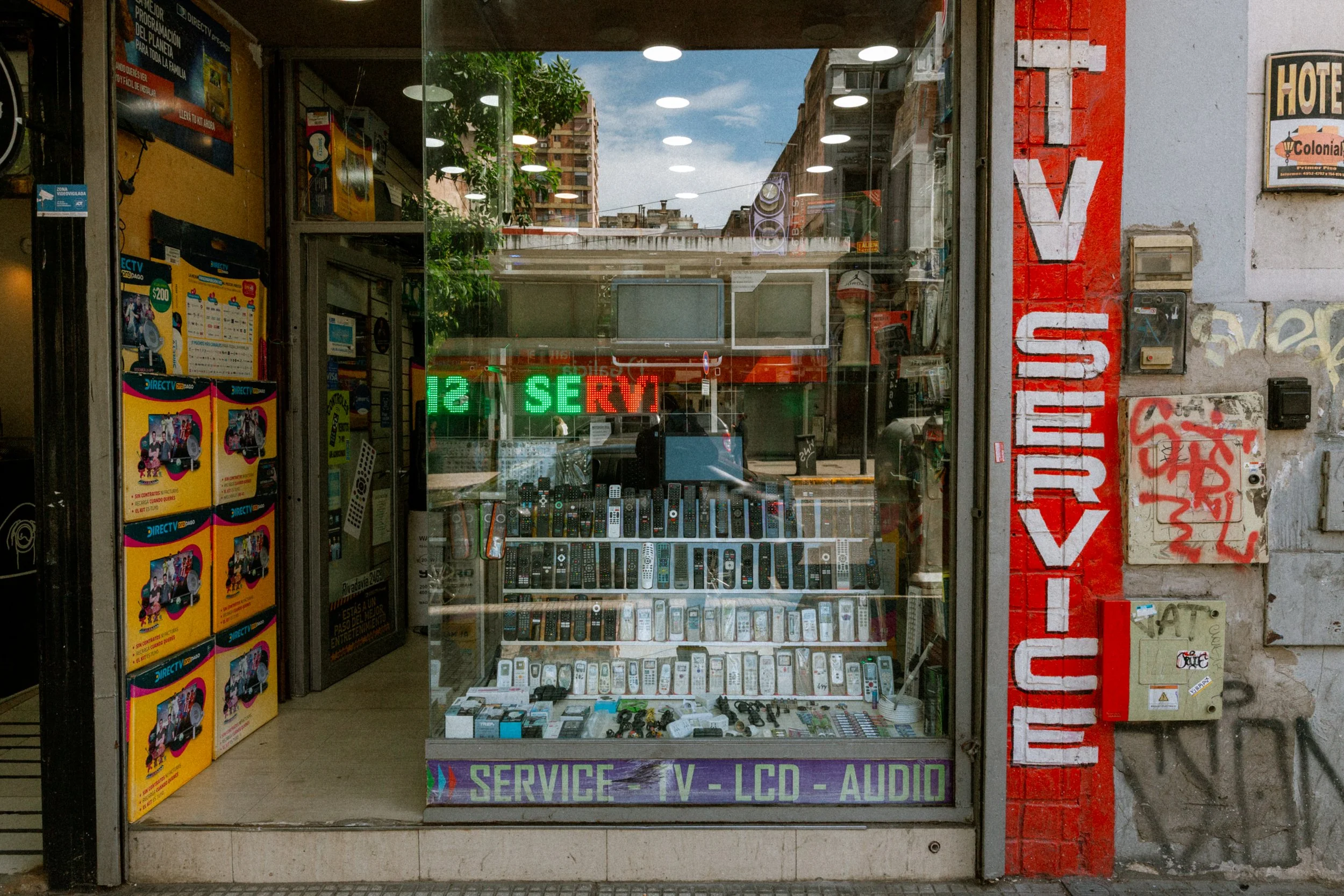
Street photos, touristy photos, details, self-portraits, crowds, cars, concrete jungle, mirrors, reflections and so much more. Surprisingly, almost always I was the only person with a camera. Not with a Big Black Camera - any camera! People rarely stopped and took pictures on their phones. I’ve seen all kinds of odd shops everywhere but all photography gear stores were concentrated along the same street, essentially in a single block.
Initially I was afraid the camera would make me a target for thieves but thankfully it never happened. Granted, I wasn’t roaming rougher parts of the city after dark, and I guess, my street smarts from my long forgotten past still work.
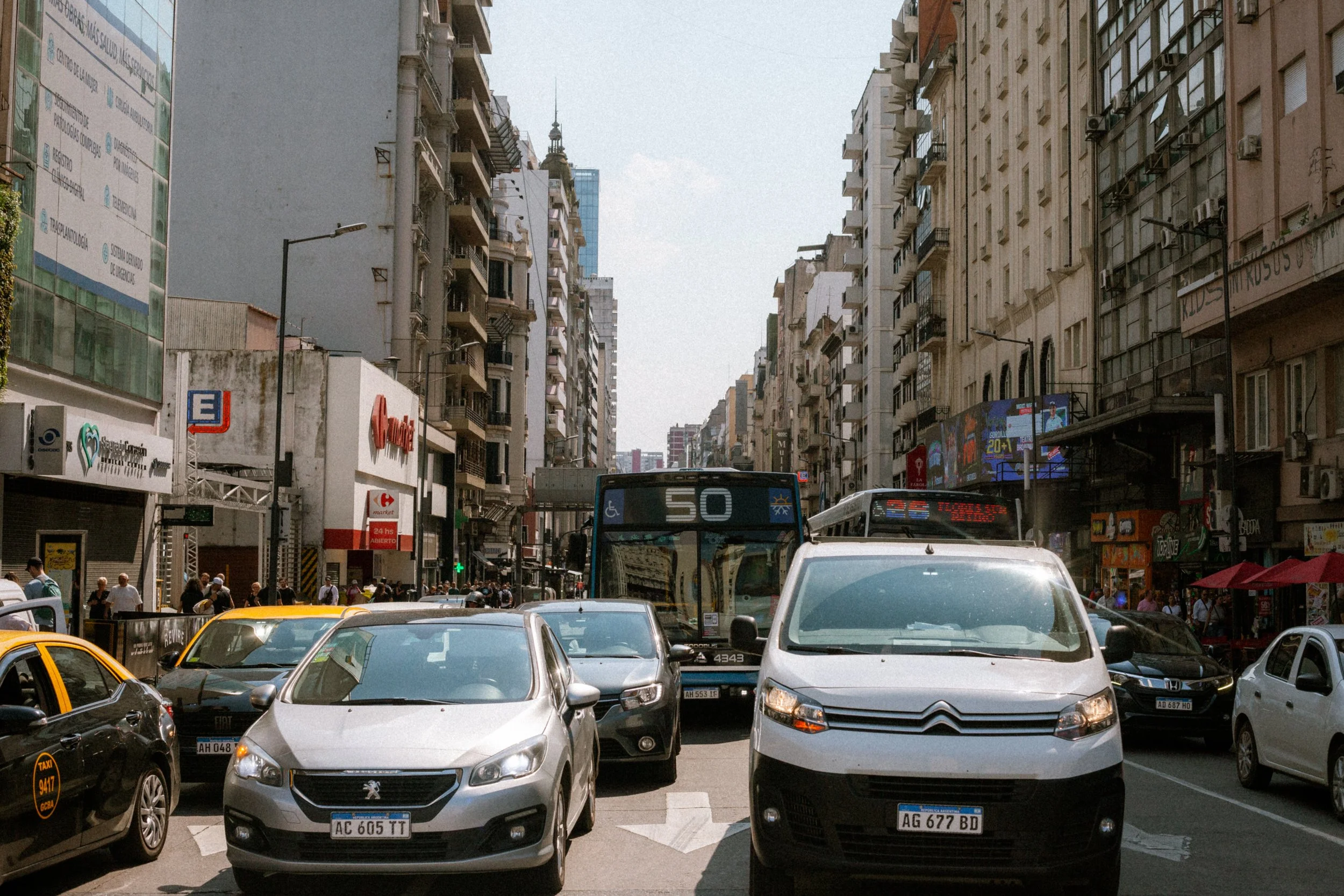
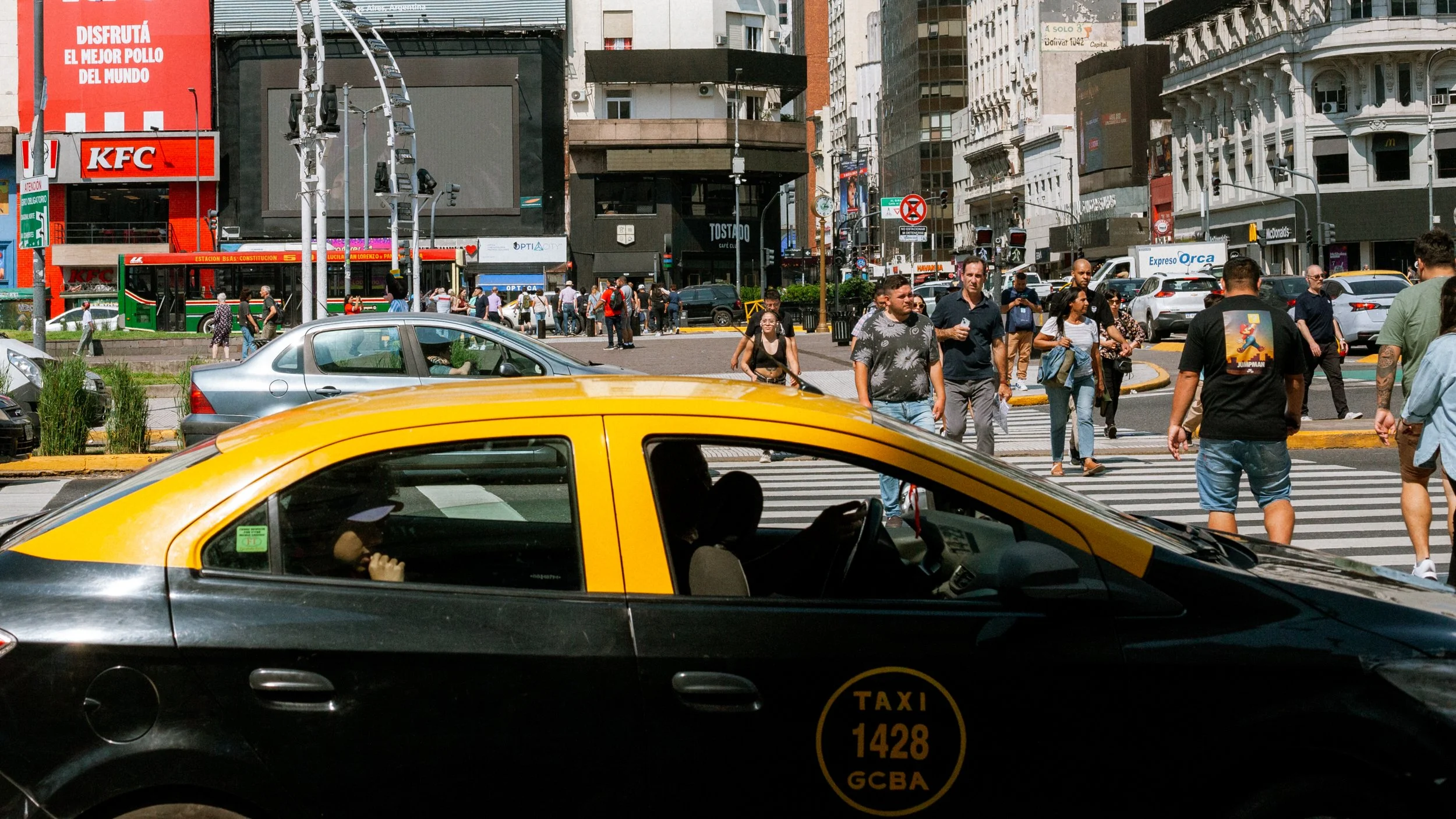
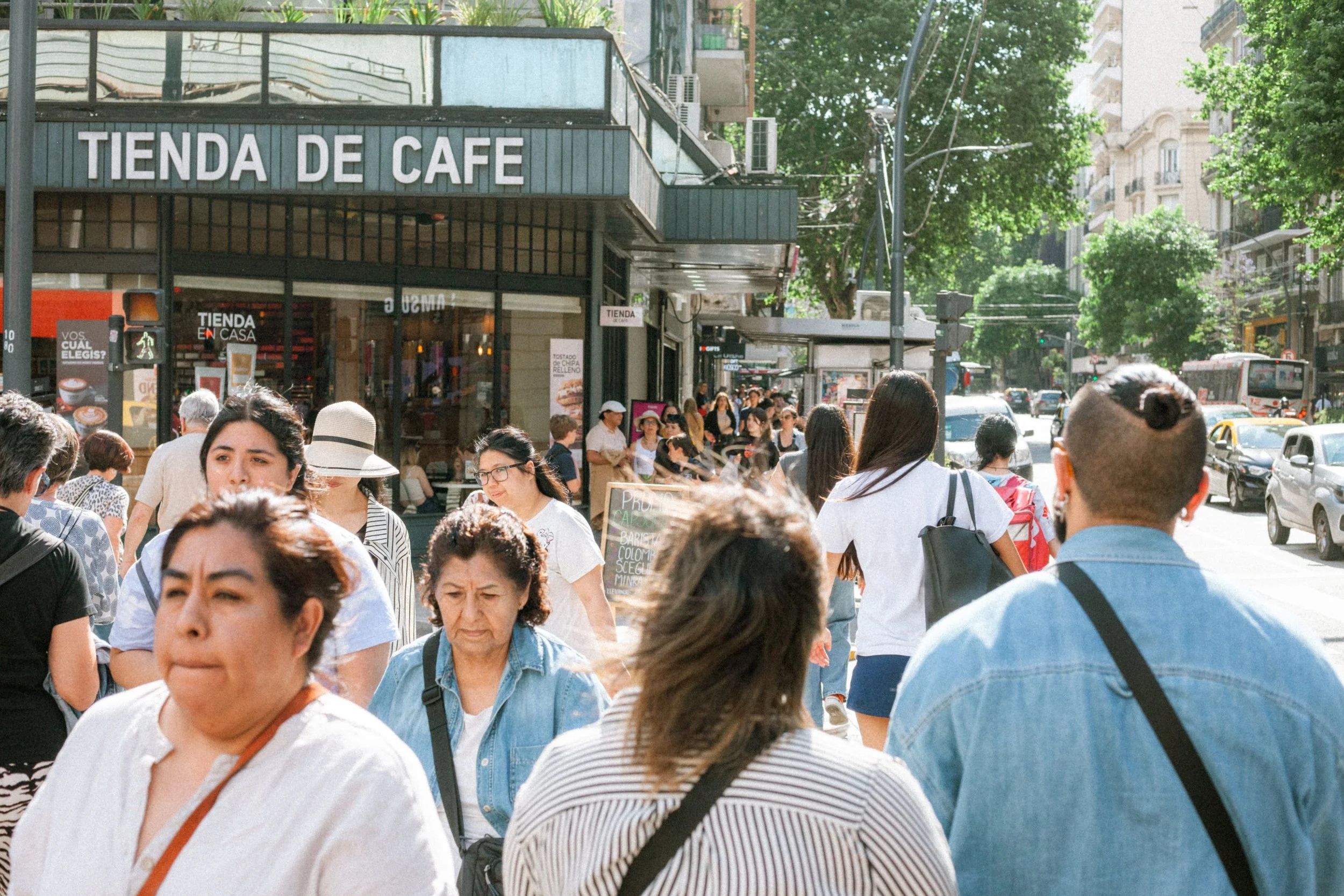
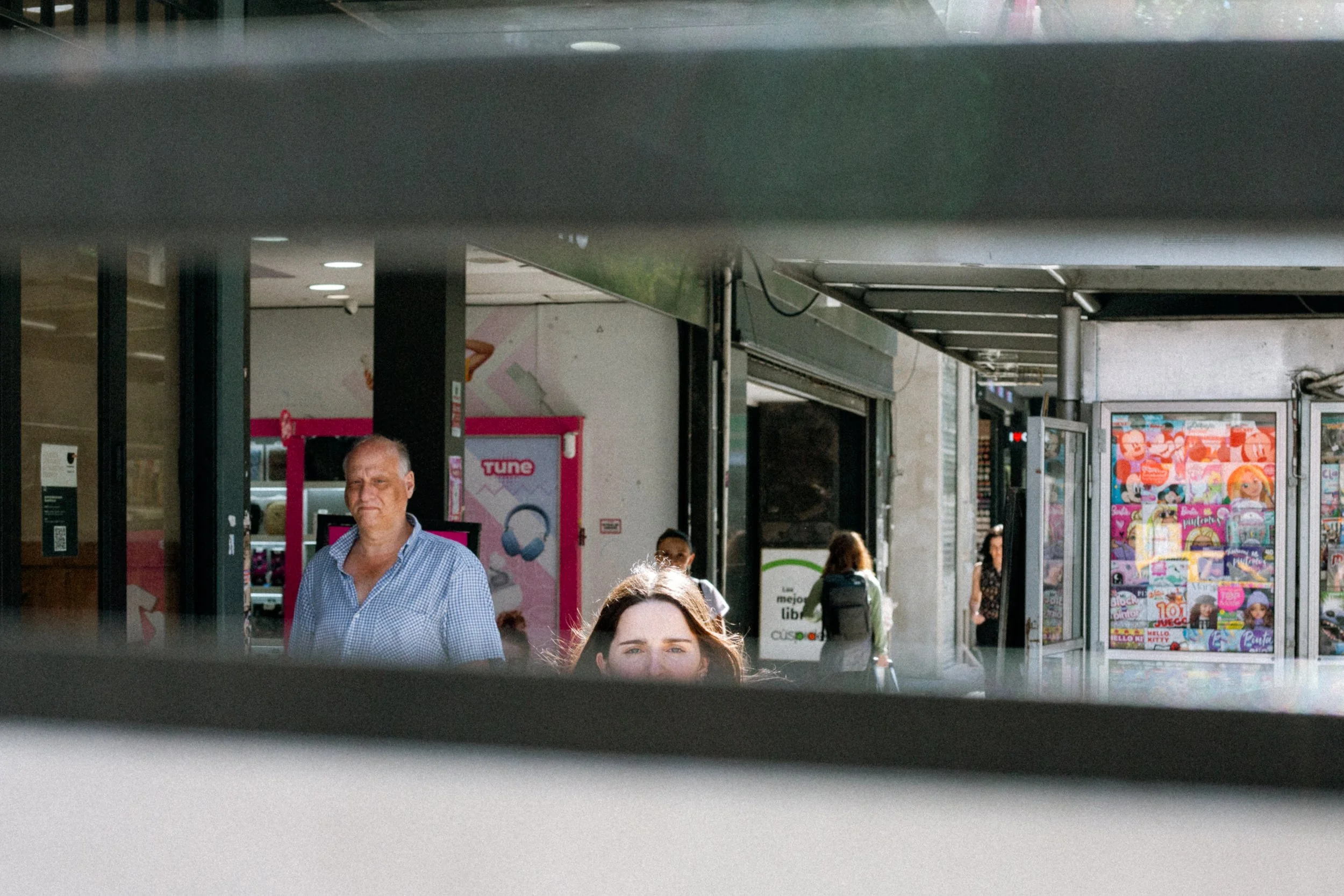
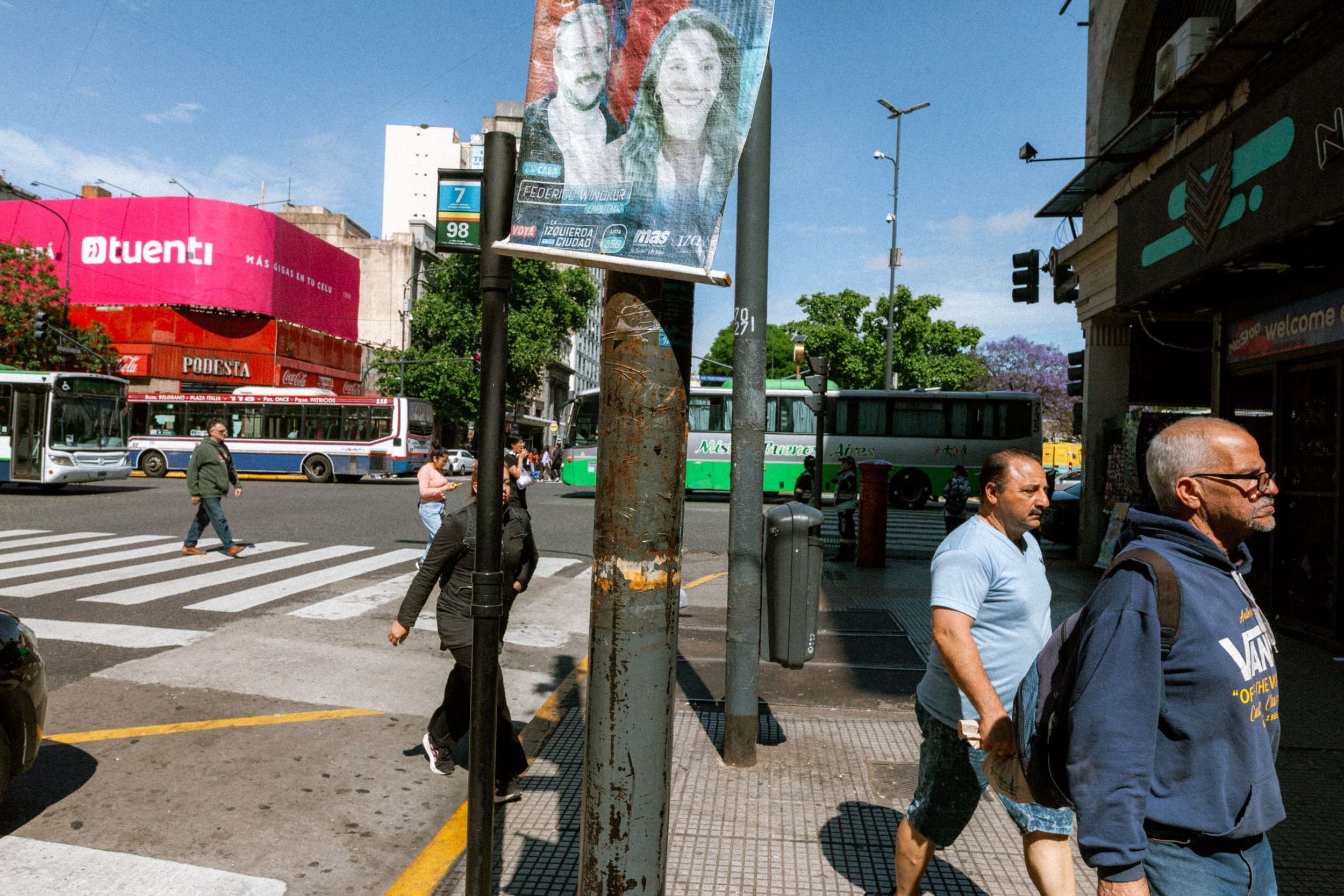
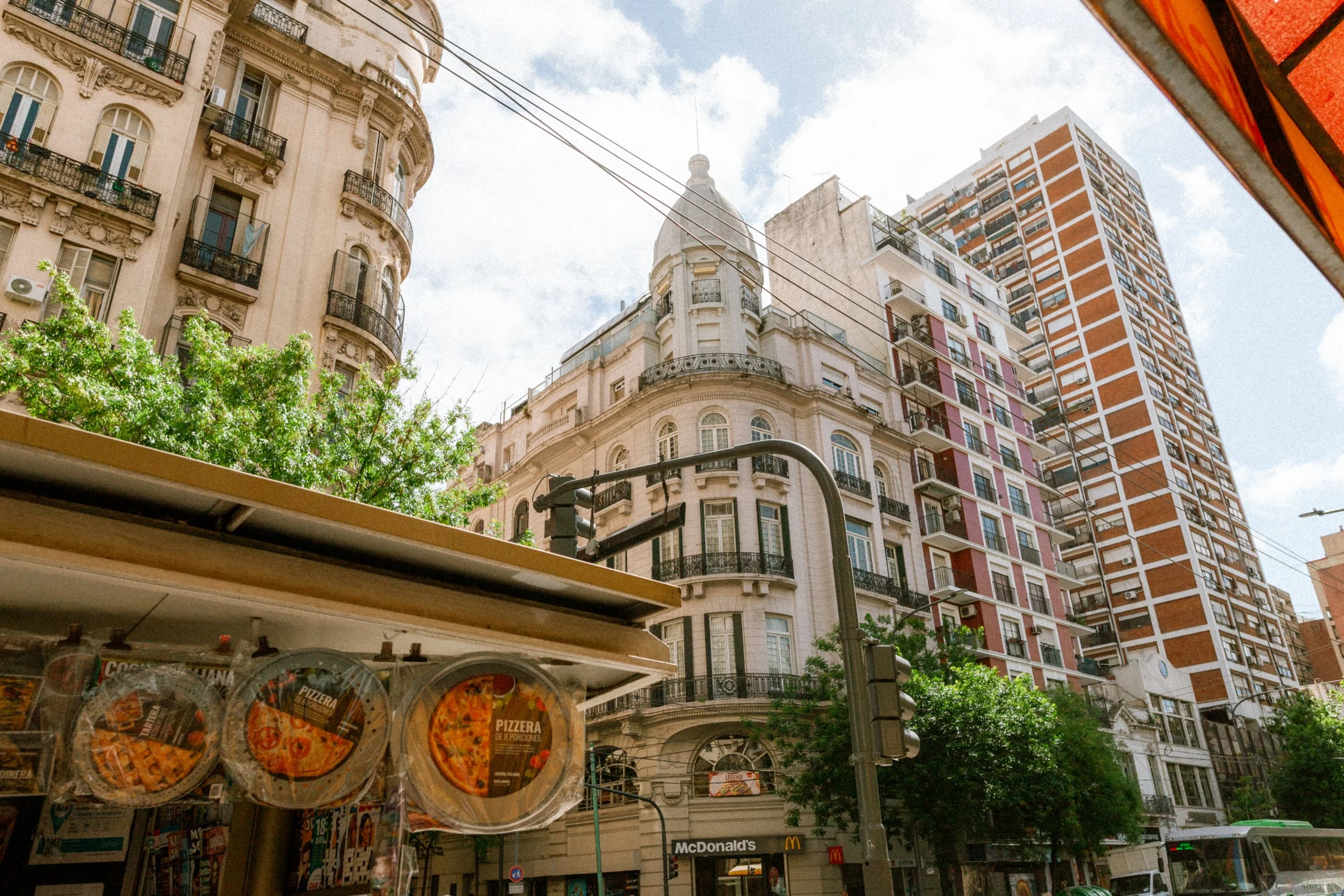
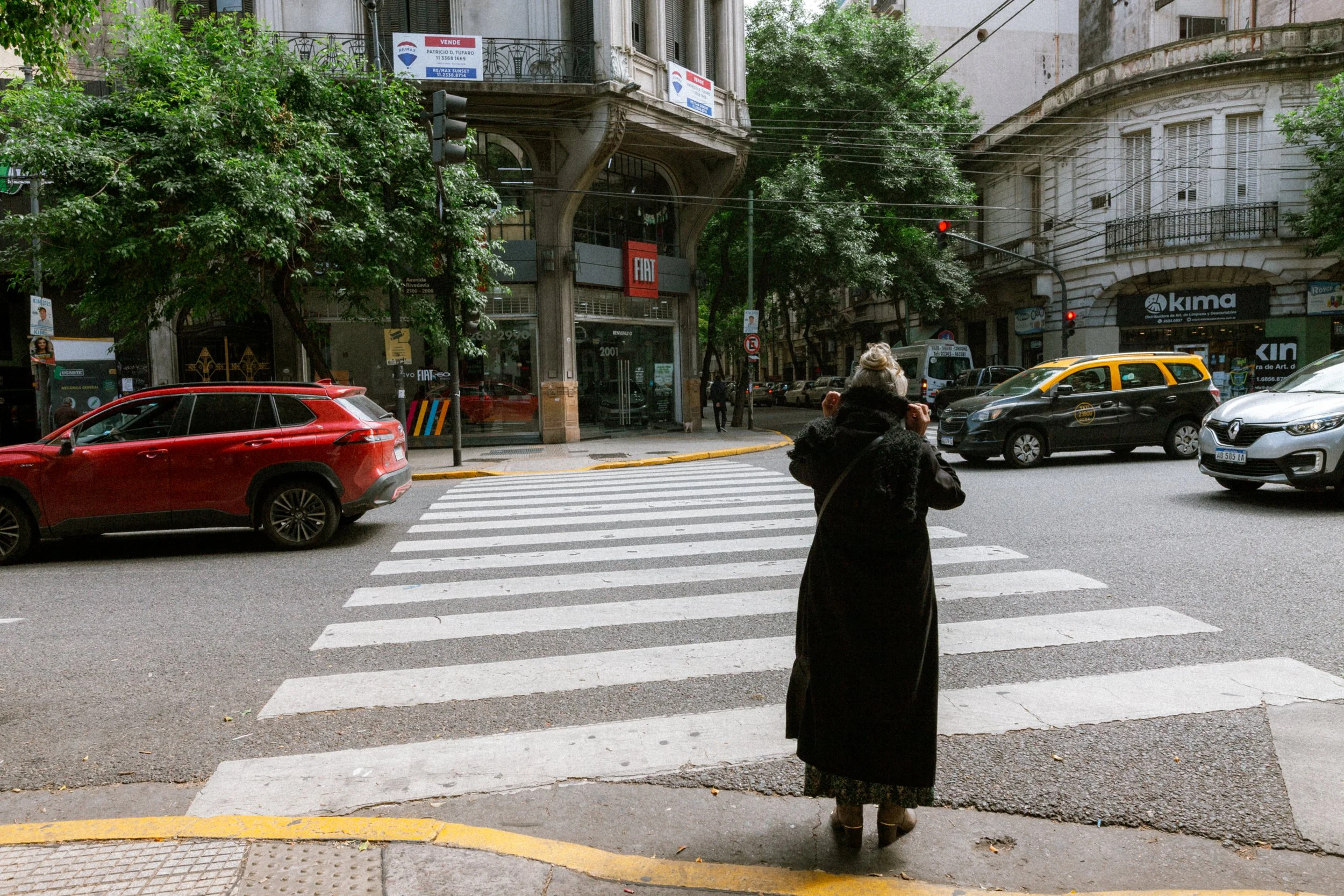
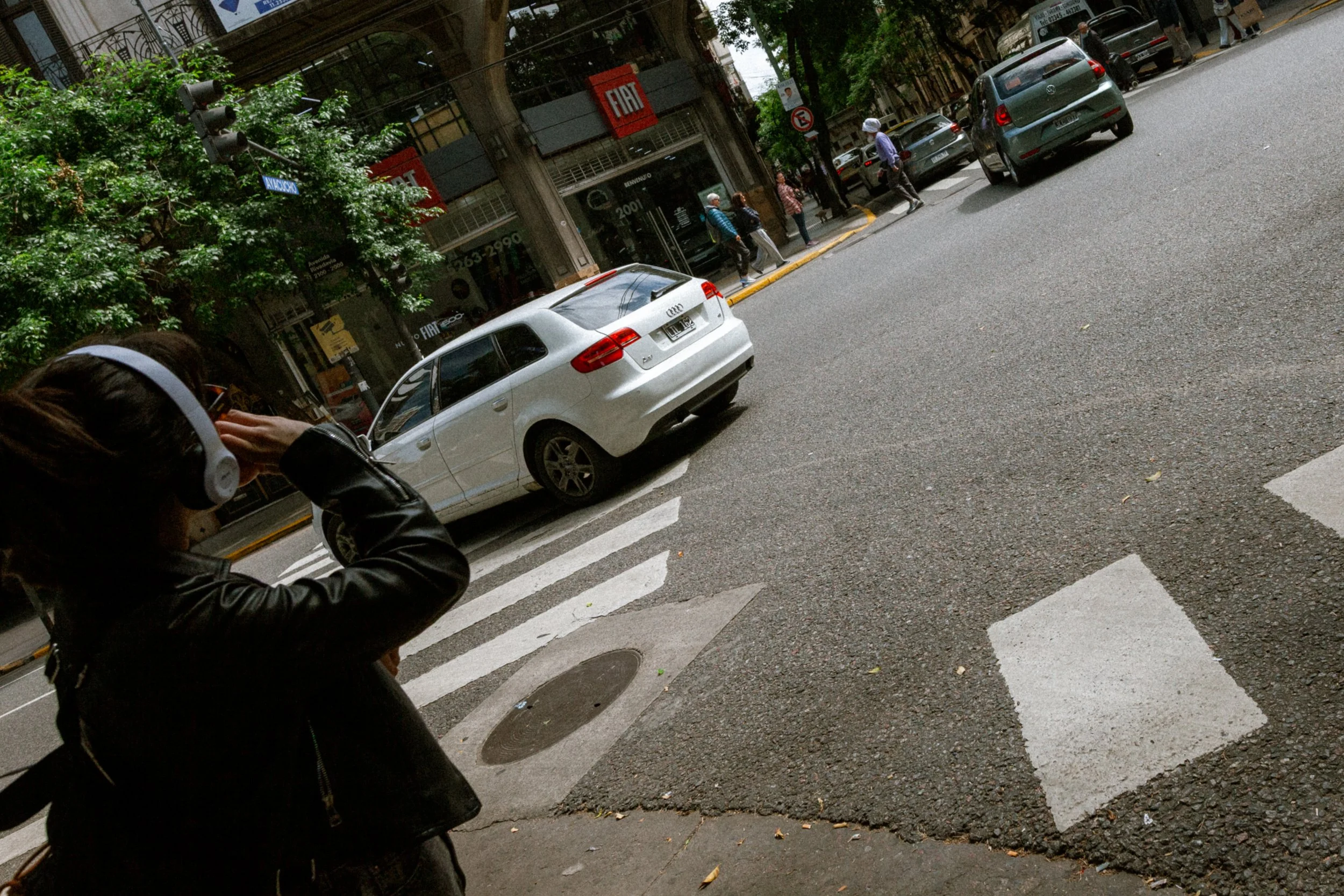
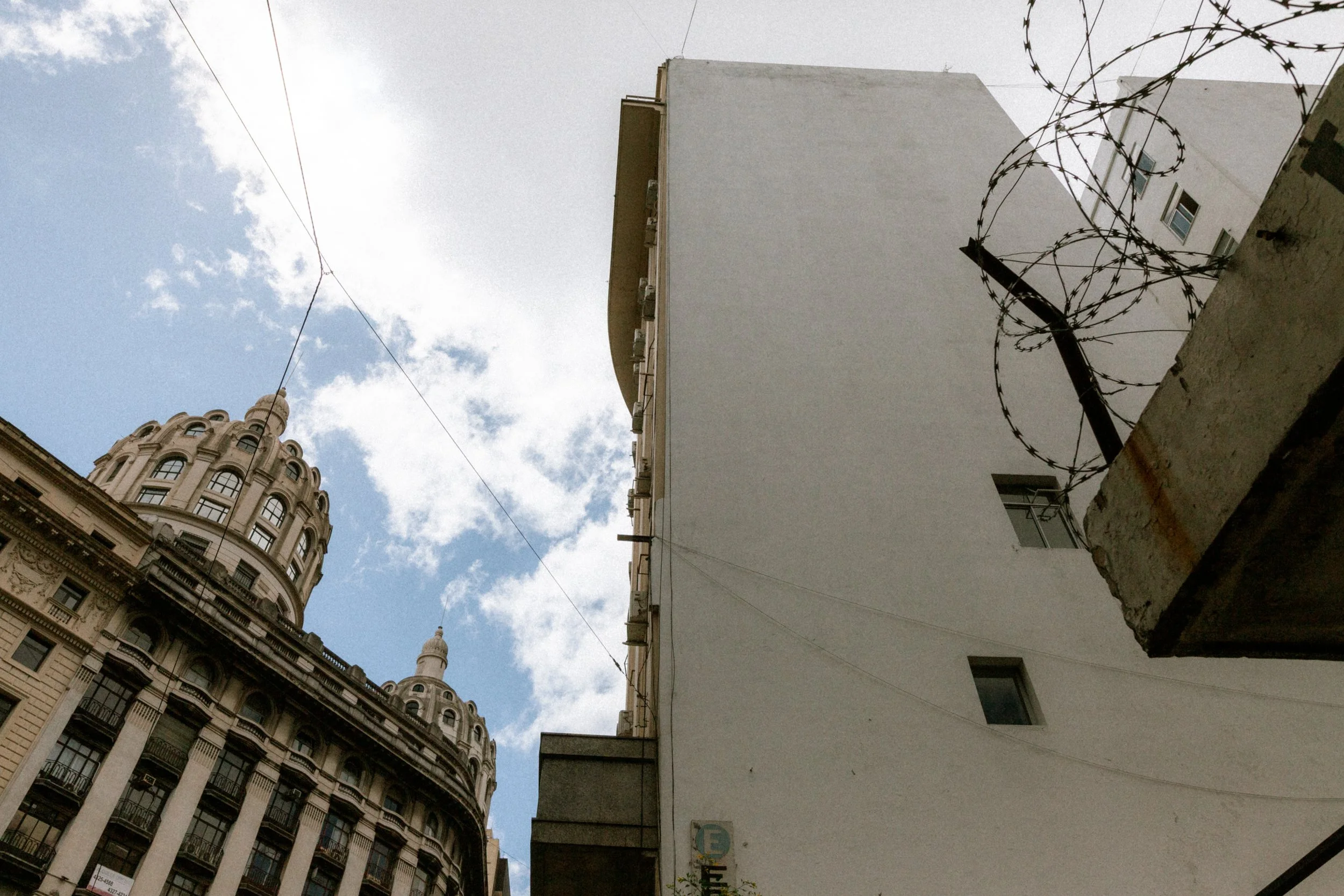
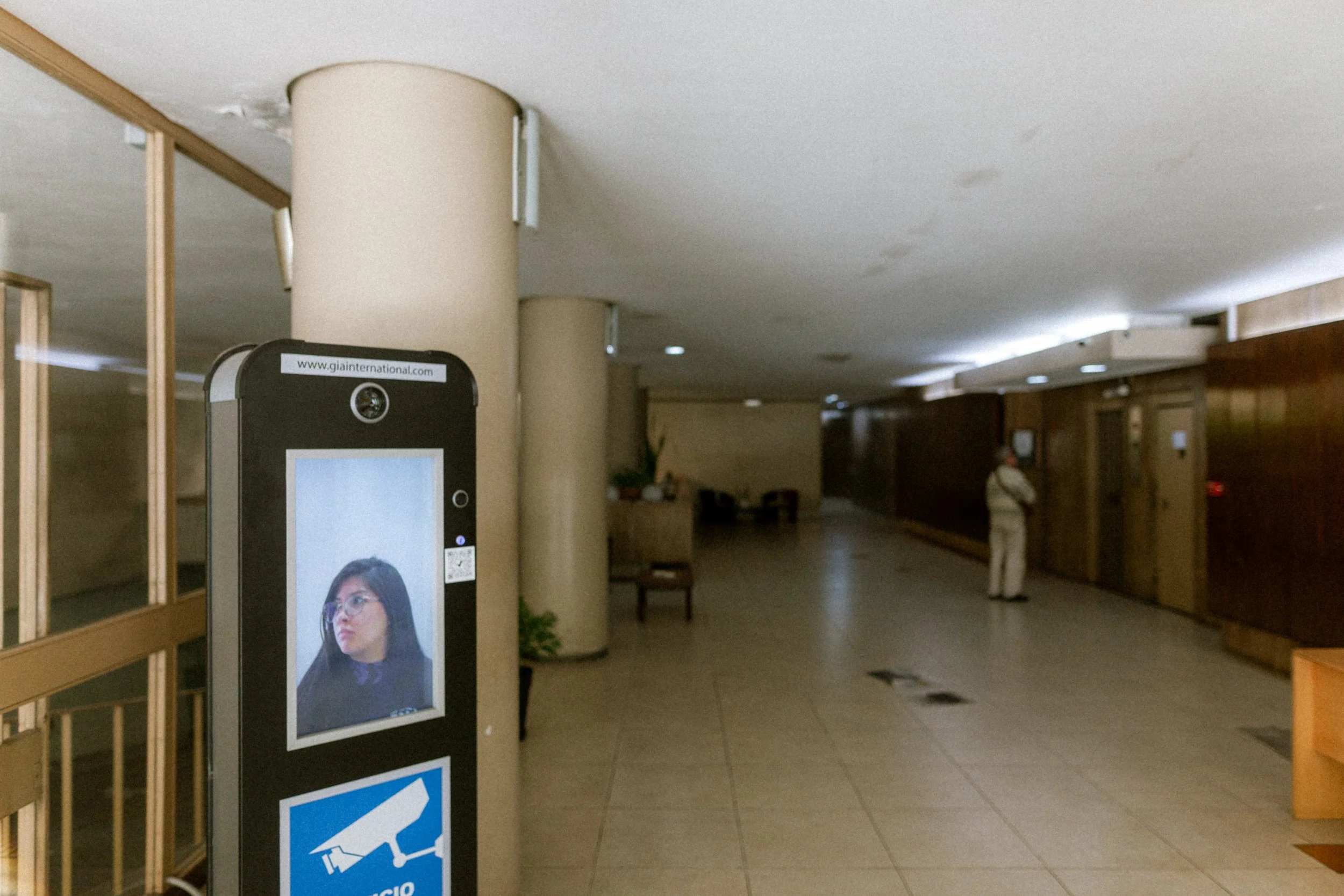
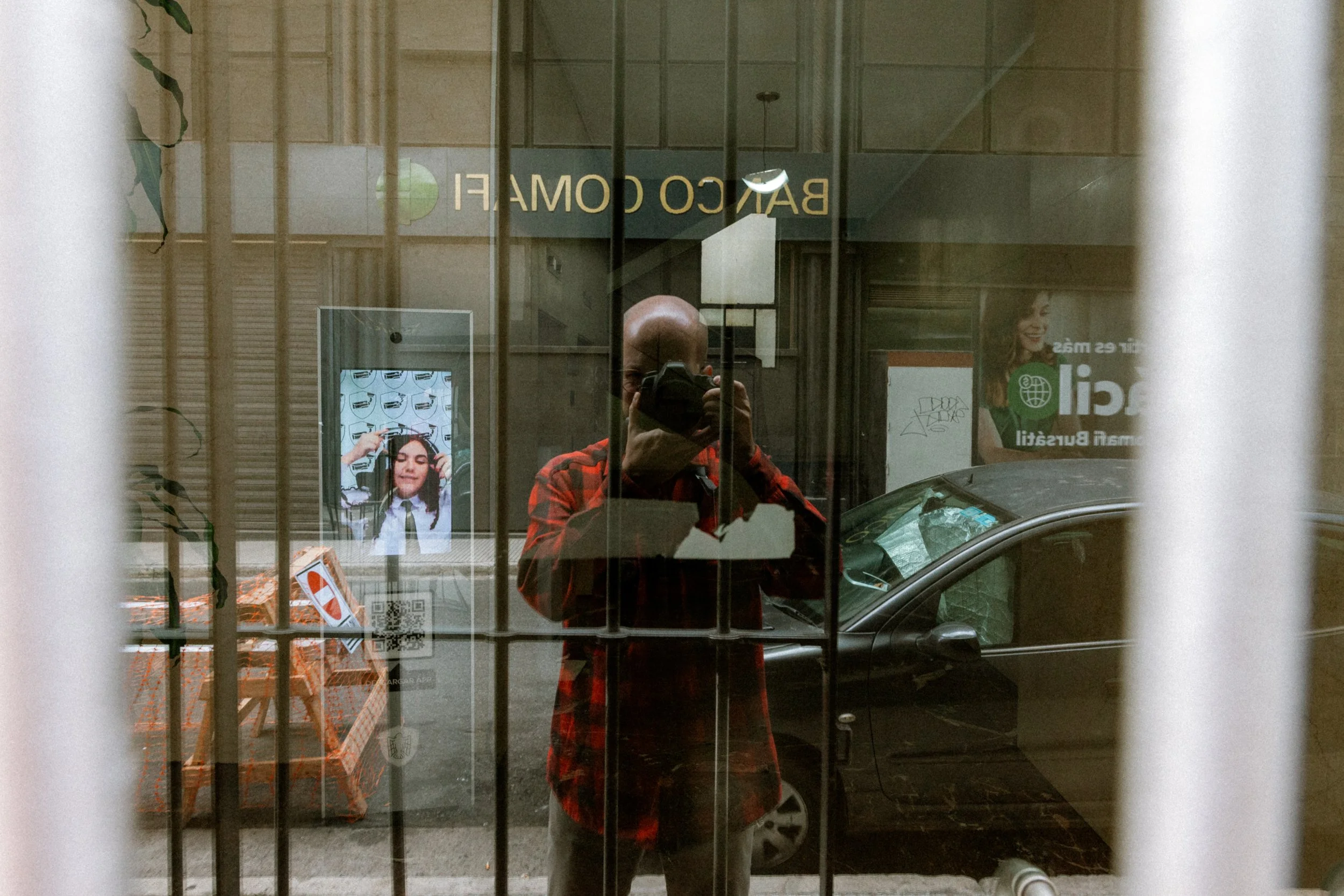
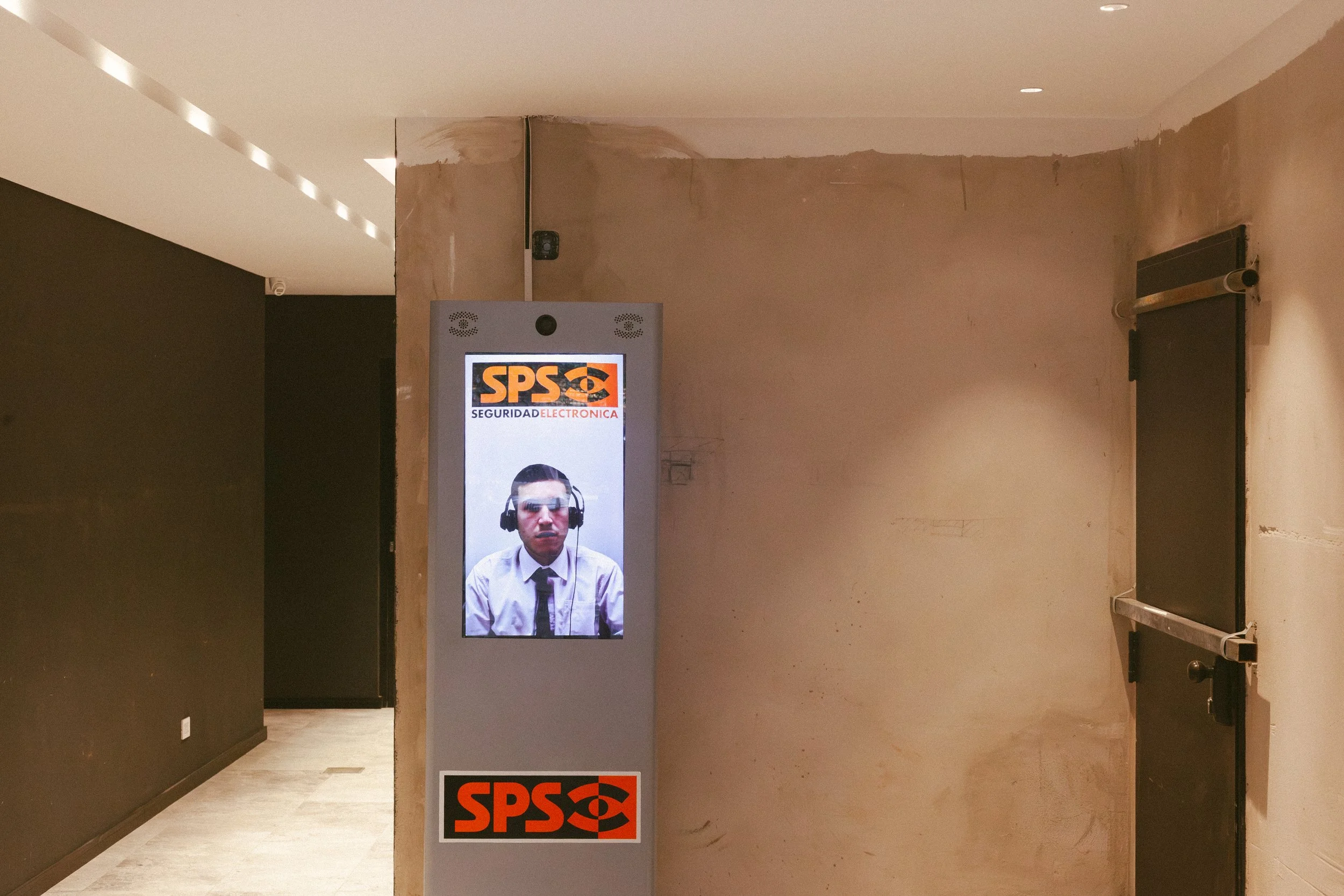
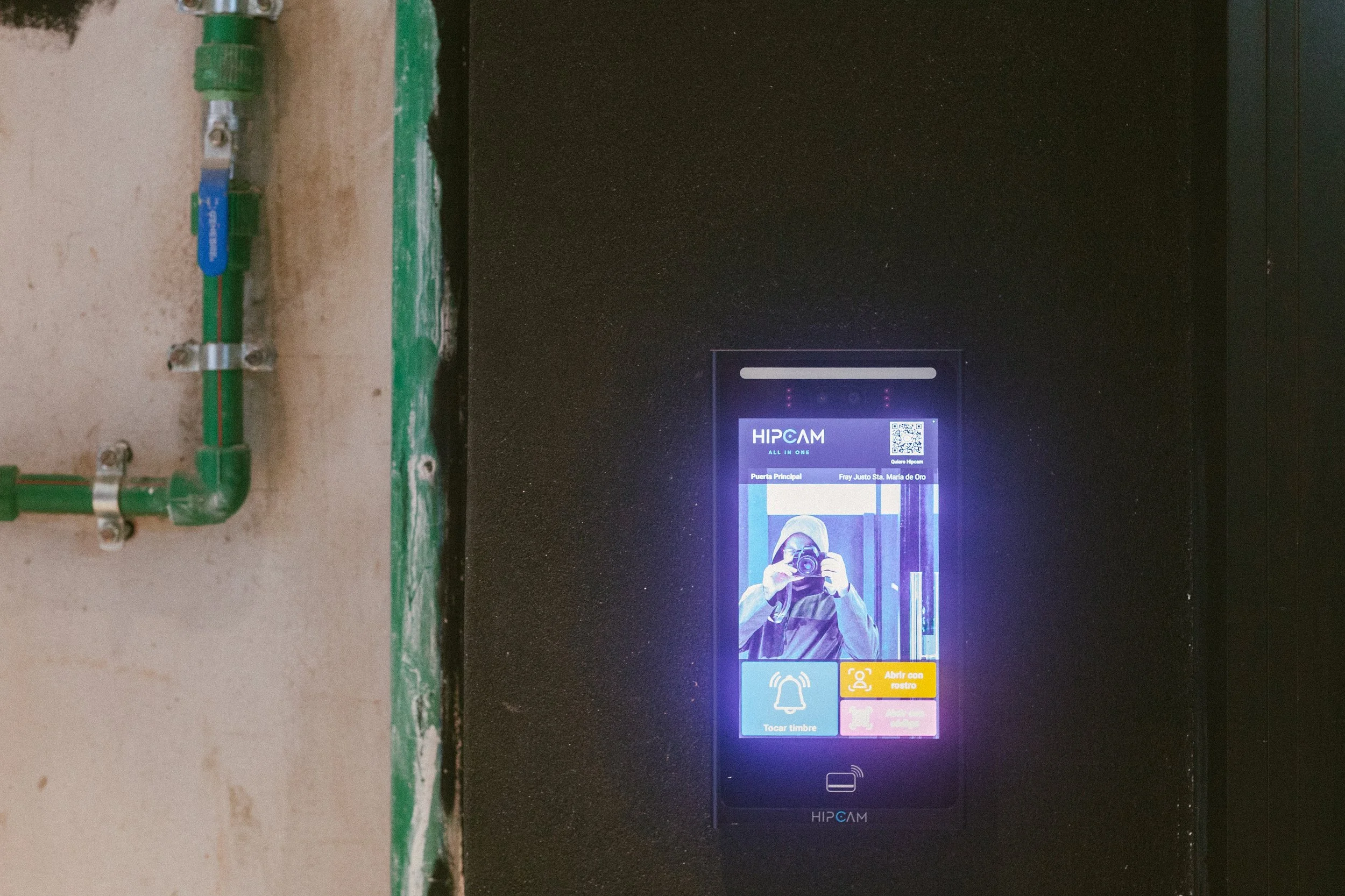
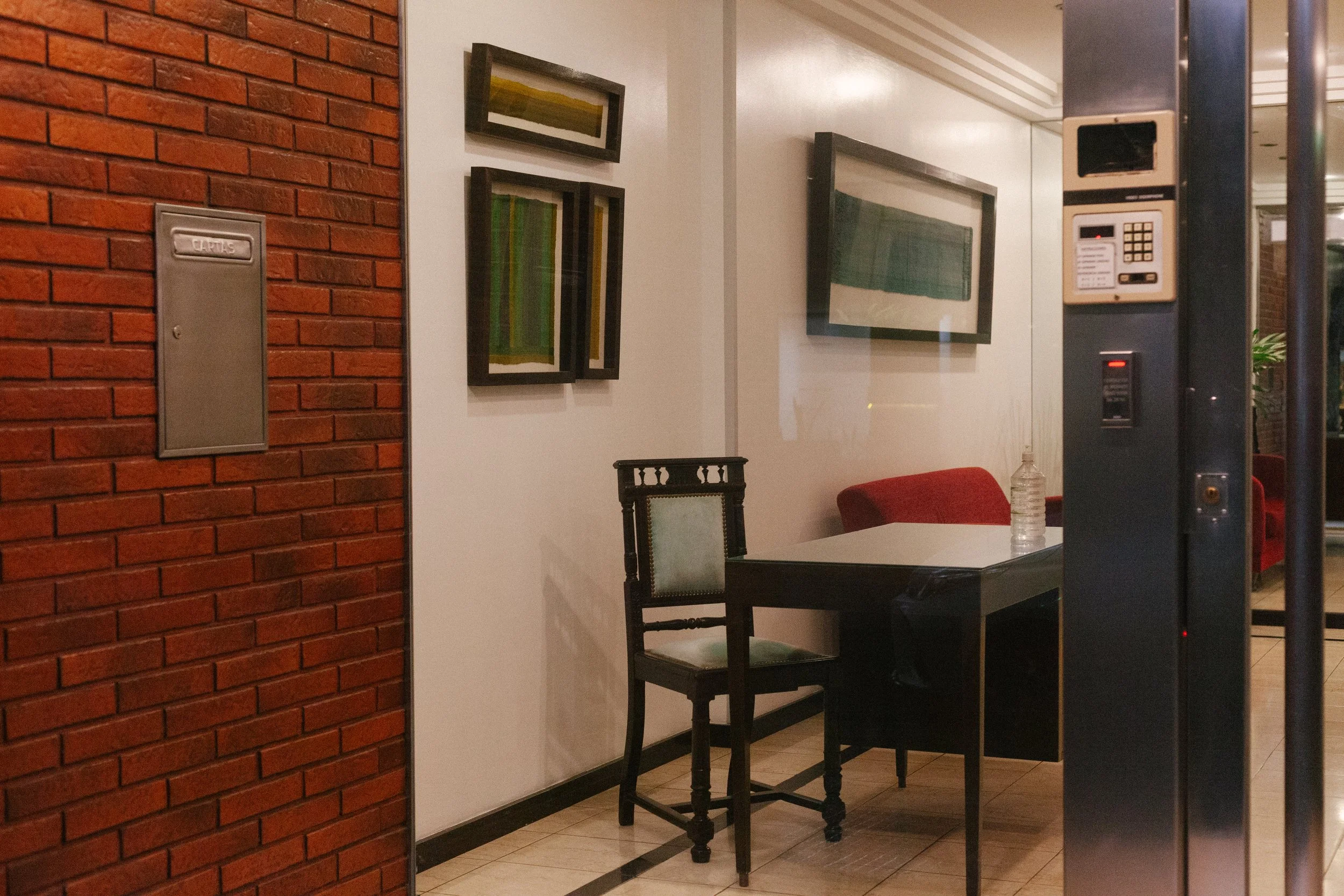
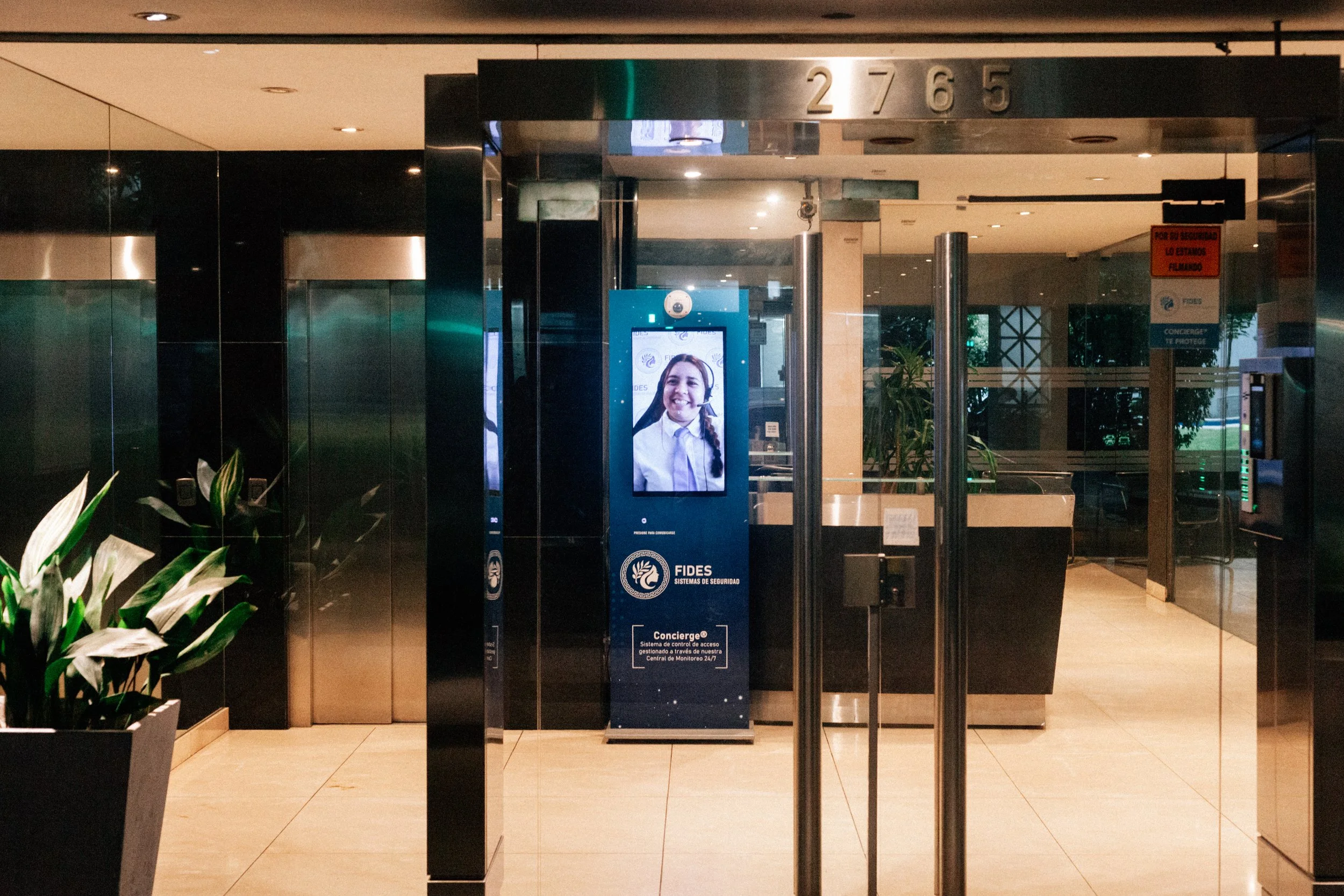
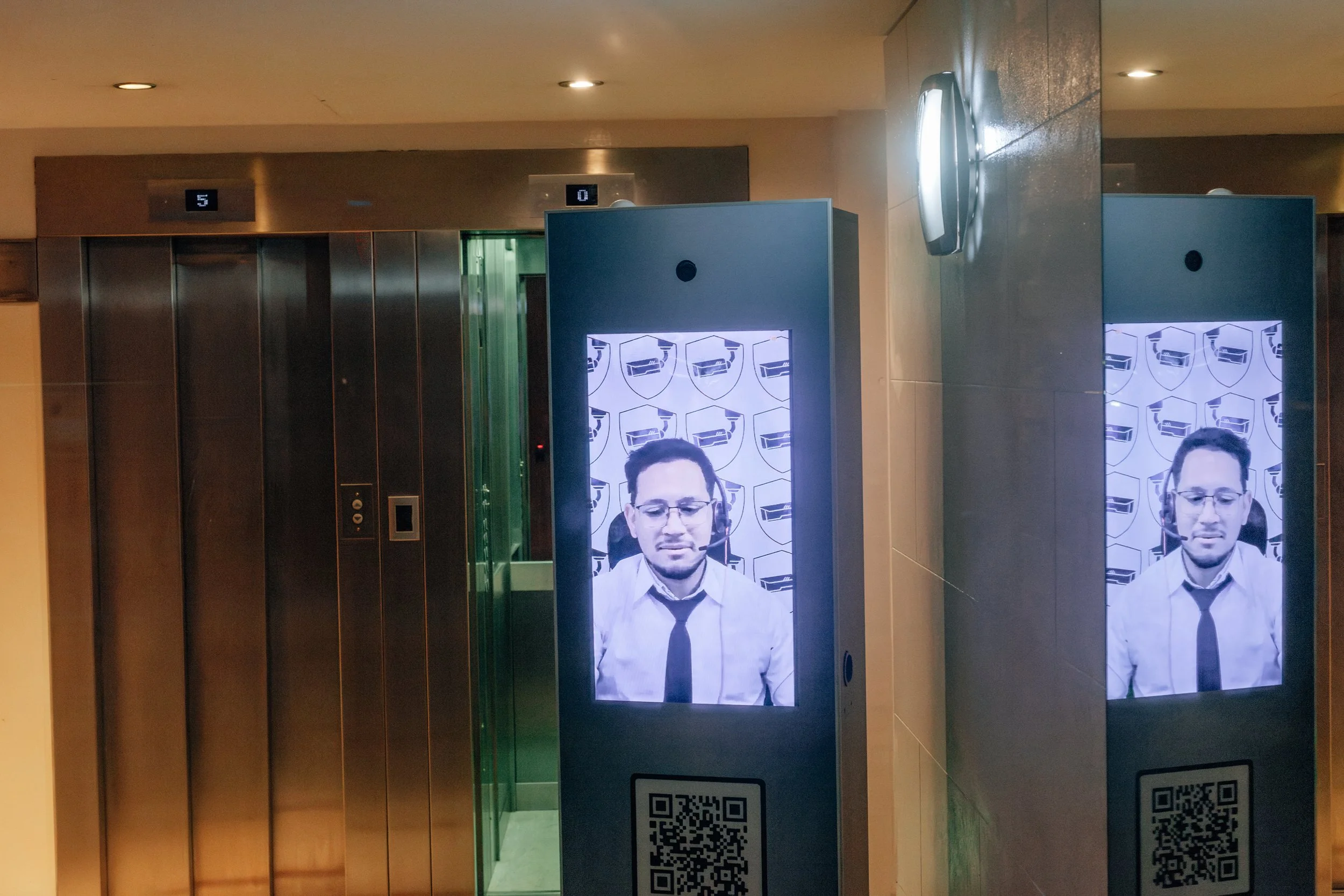
As in Patagonia, the subject that caught my attention the most came up absolutely unplanned. Who could’ve thought Buenos Aires has virtual concierges, serving multiple houses at a time and giving old emposing buildings a futuristic dystopian look?! Sadly, I didn’t have enough time to take enough pictures, let alone approach real concierges and chat with them about this. As far as I know, only NYC has been experimenting with virtual cashiers recently. A unique topic, something I would love to explore more but dones’t seem feasible in the near future.
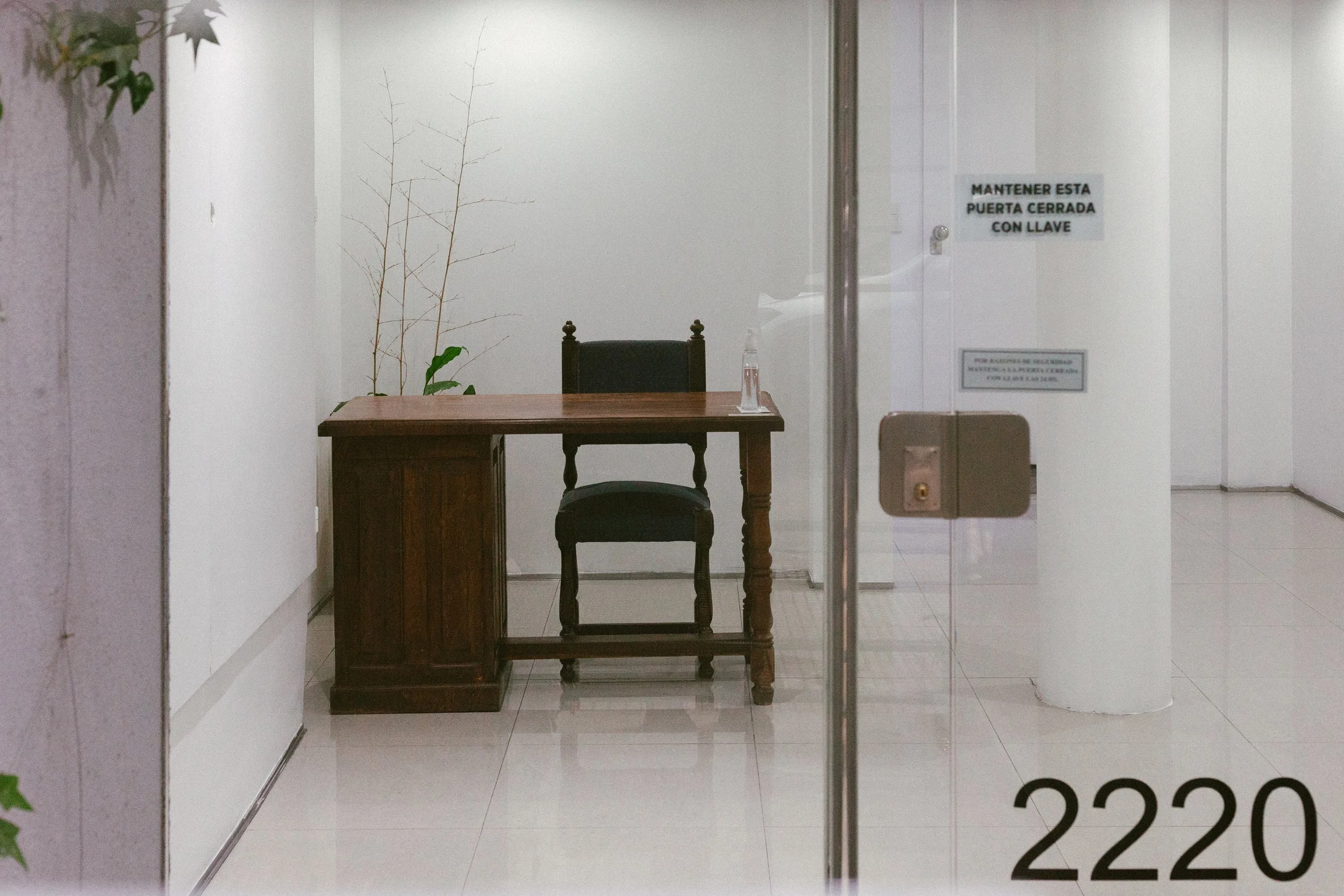
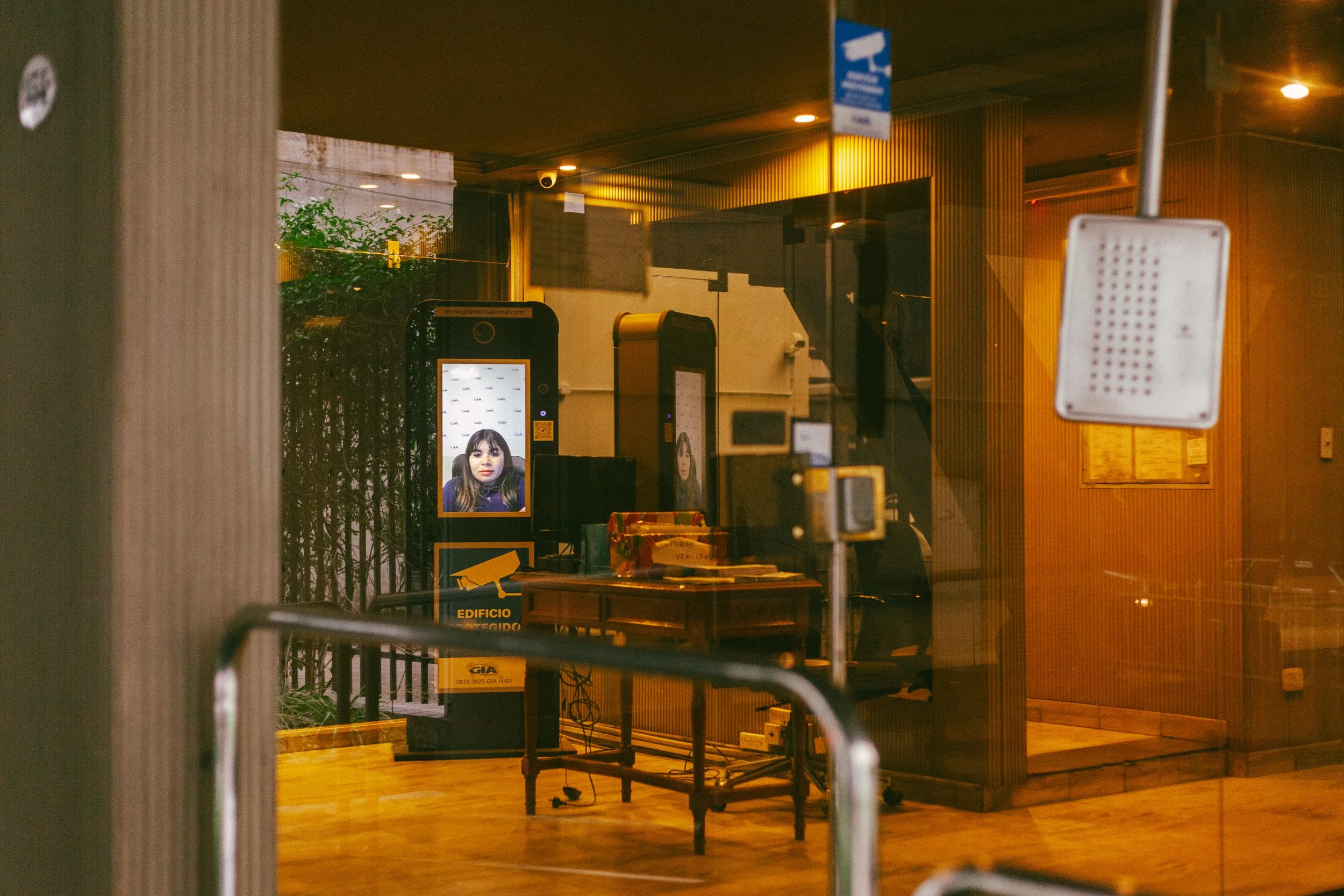
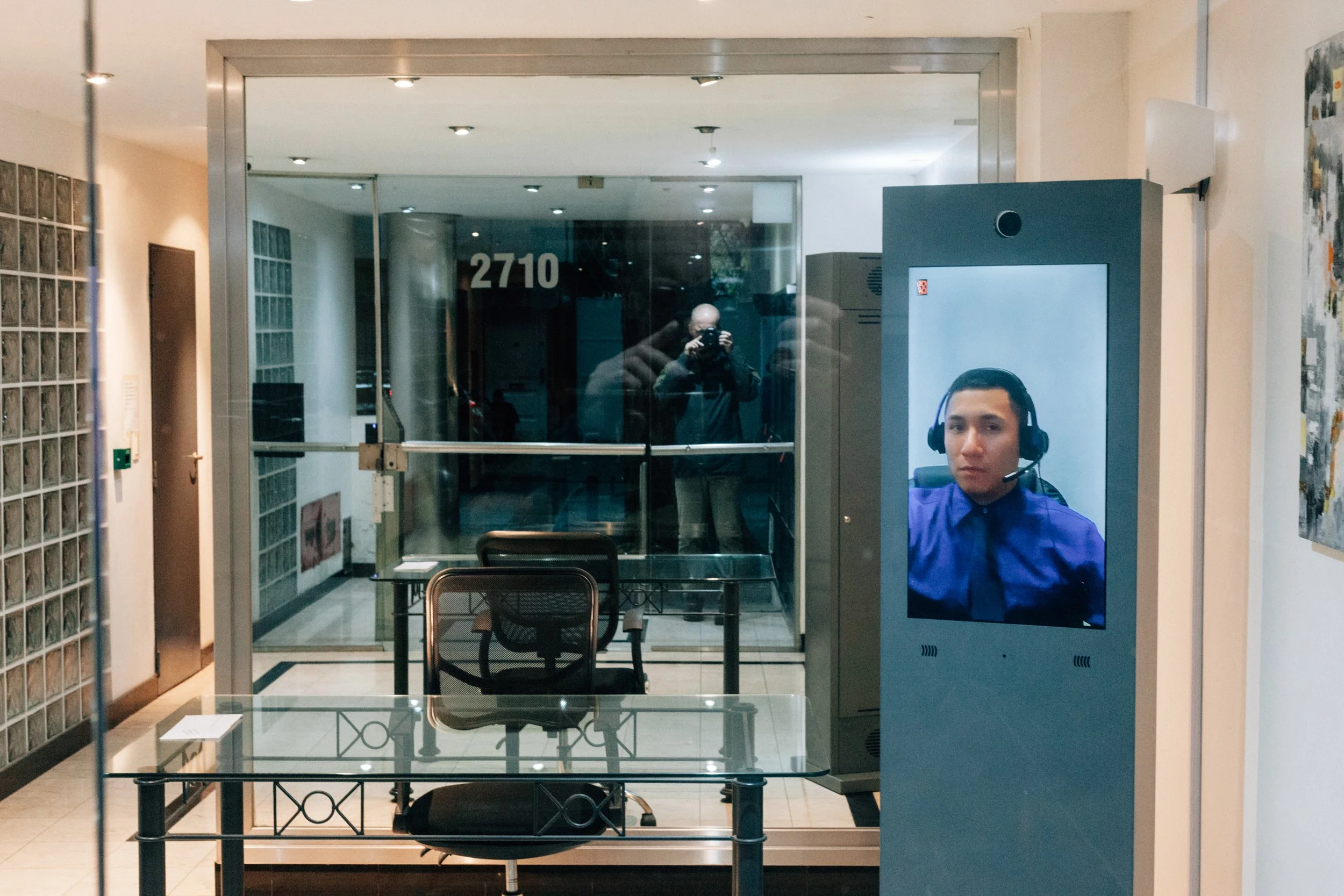
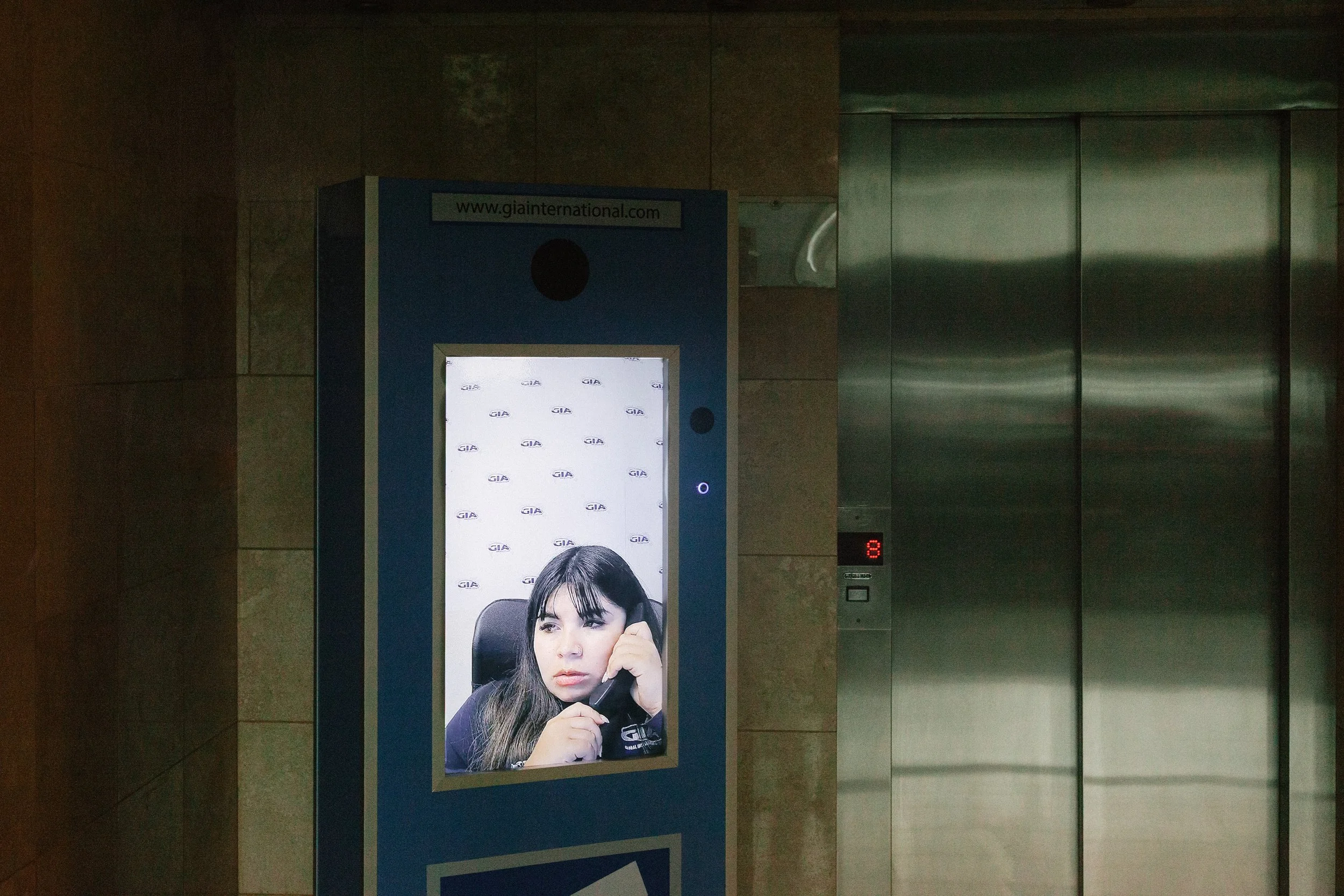
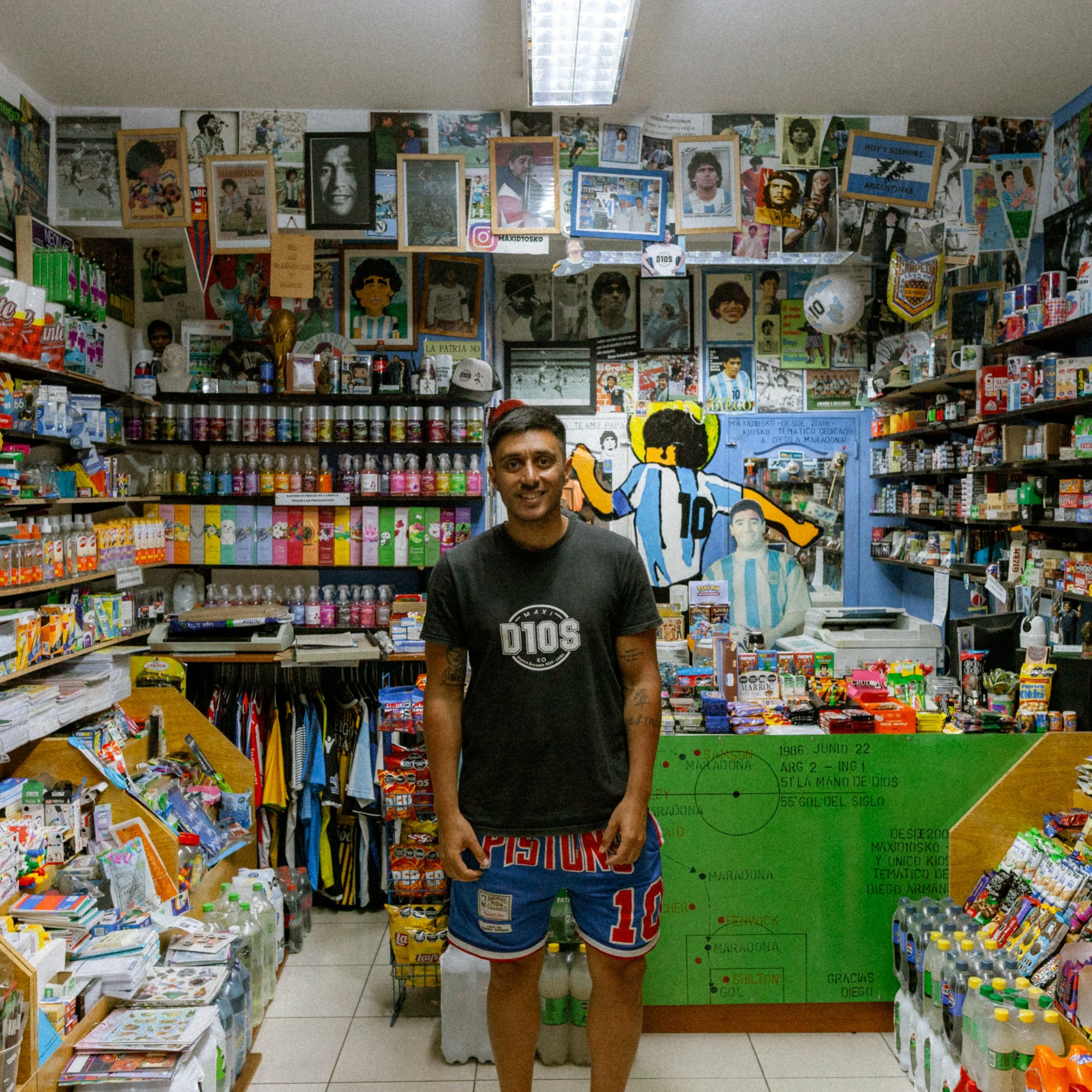
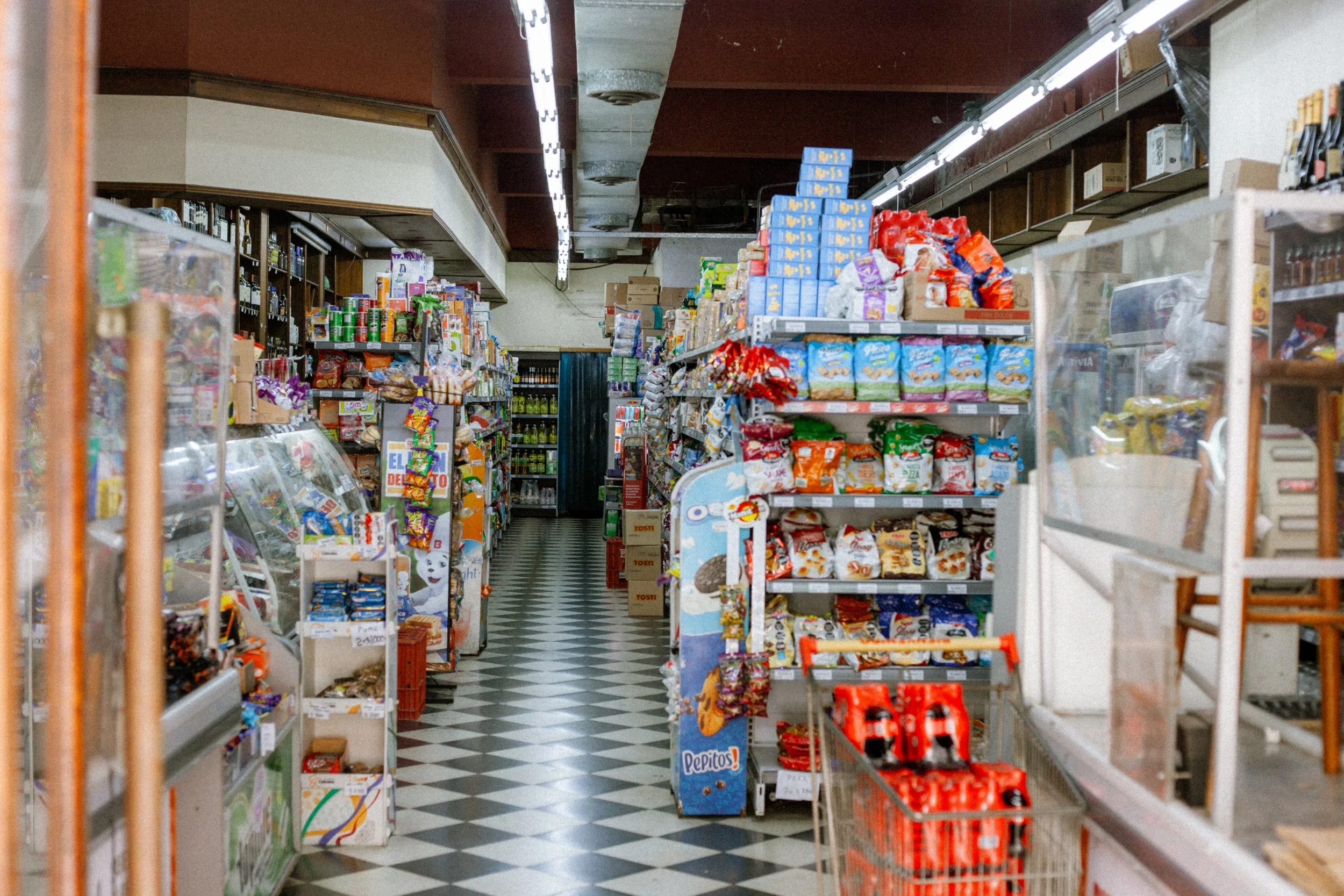
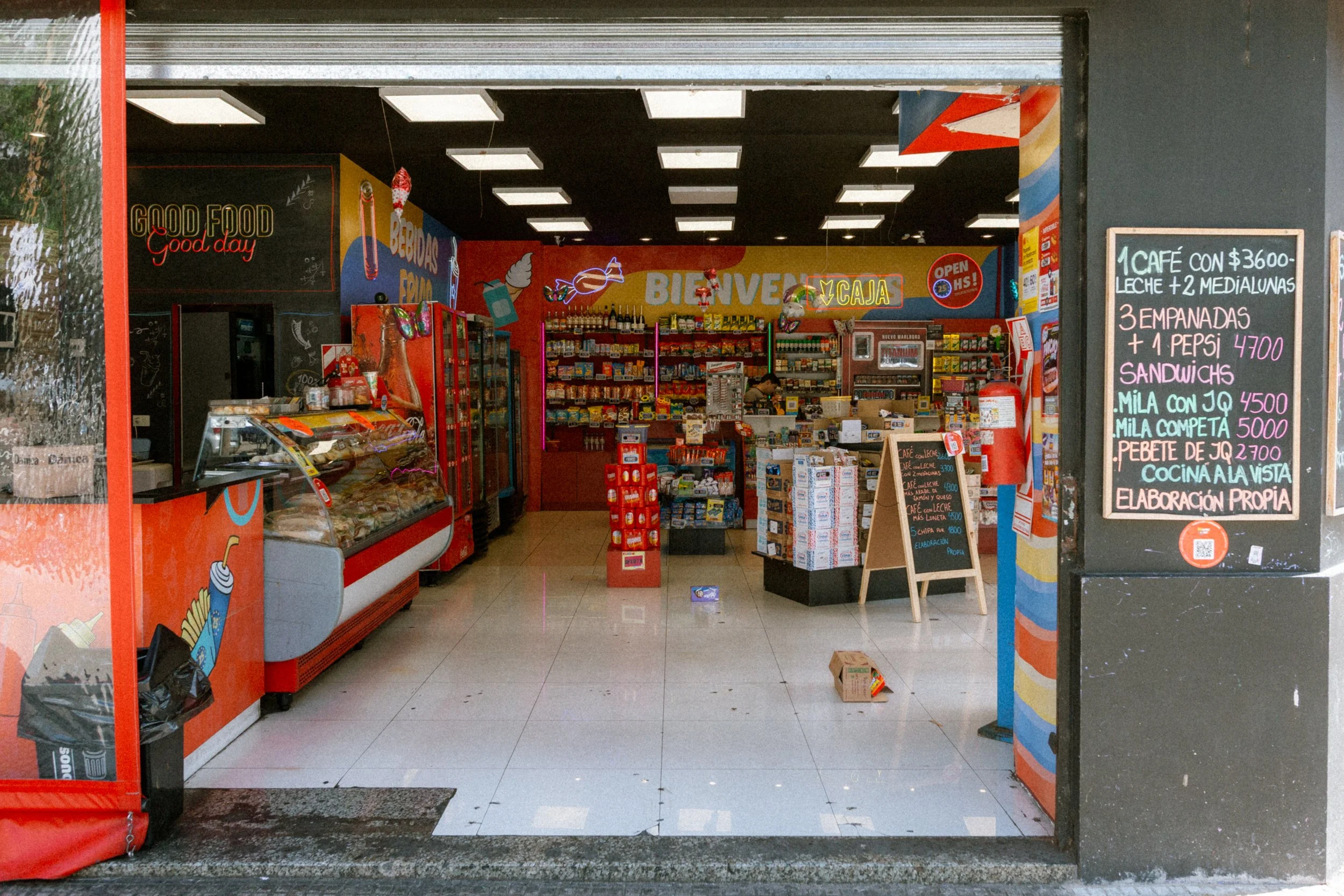
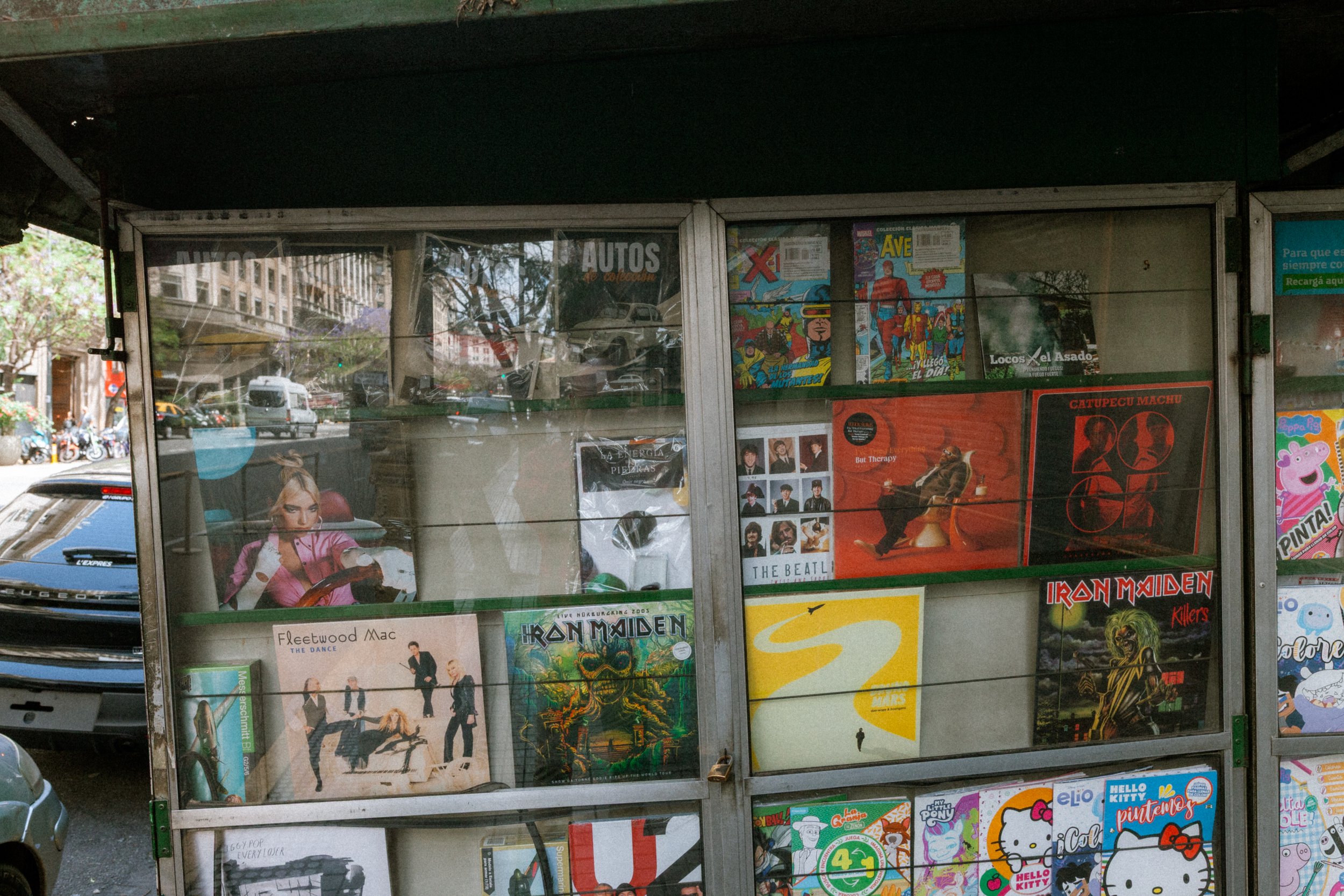
Kioscos. A reminder from my post-Soviet childhood. Places where everything can be found. The staple of the local economy - I went into the deep rabbit hole to understand why these small shops are so prevalent and supermarkets are almost non-existent. It’s been a fascinating read about Argentinian democracies and dictatorships, opening up and closing to the Western brands, fighting inflation and (mostly) losing the battle.
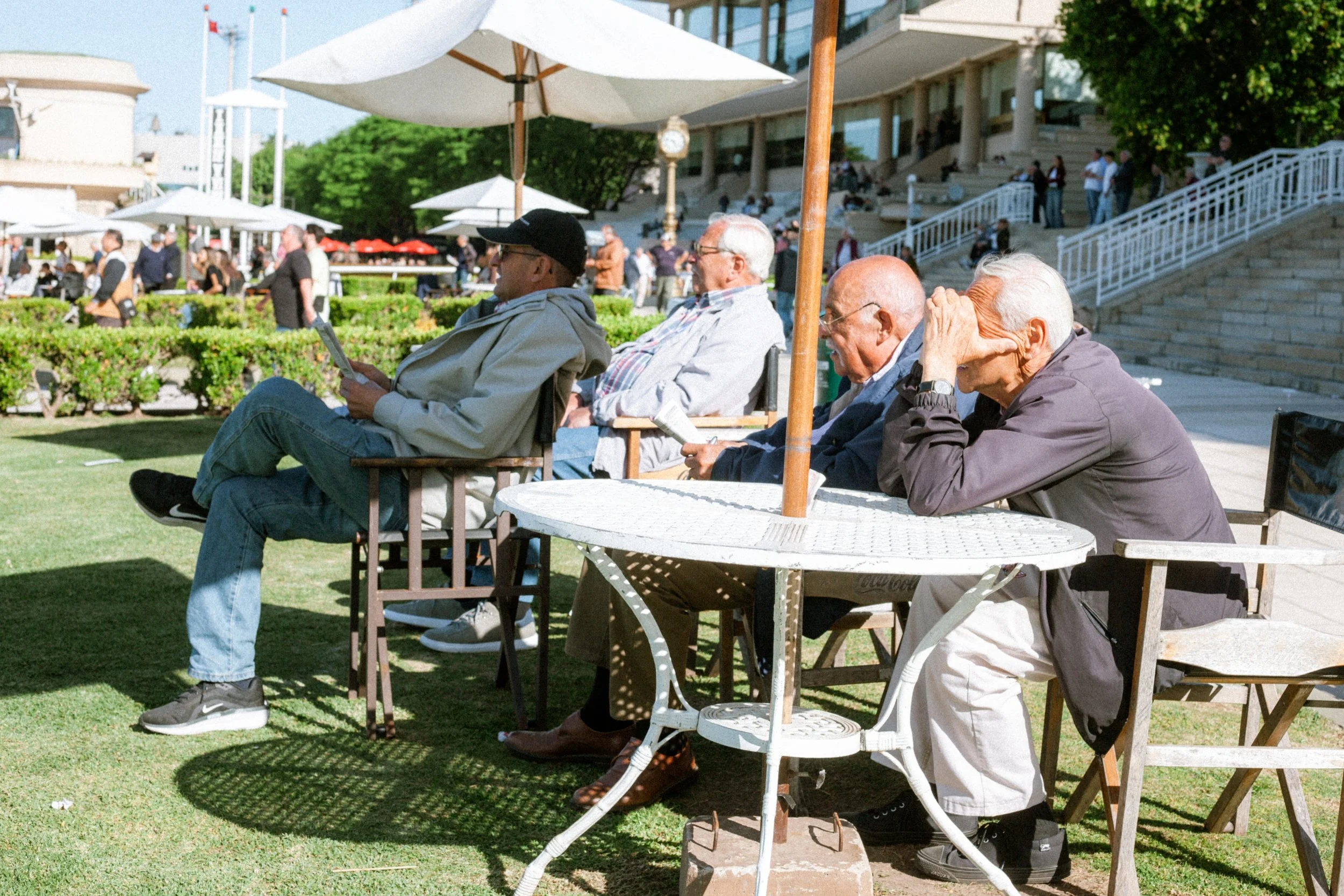
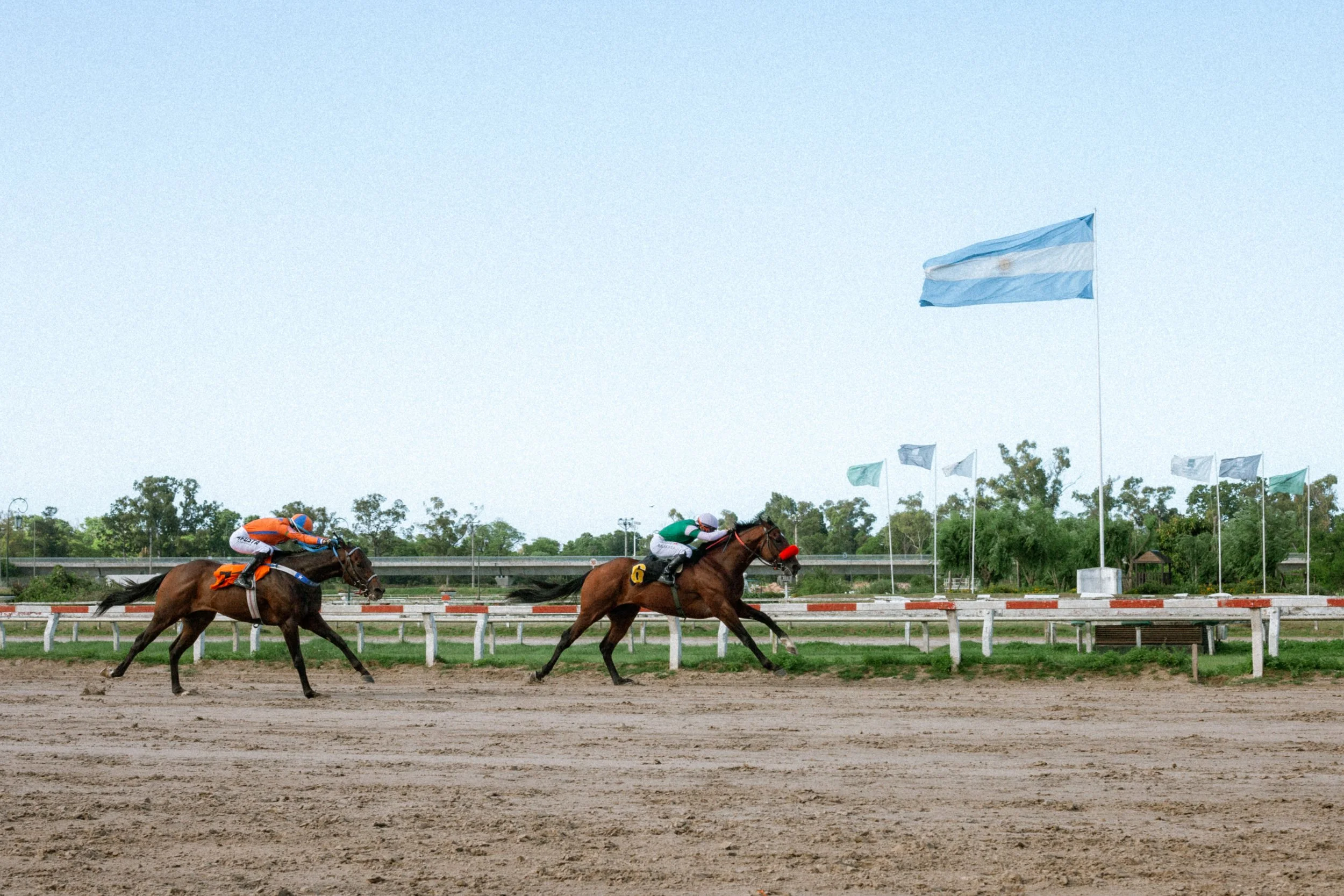
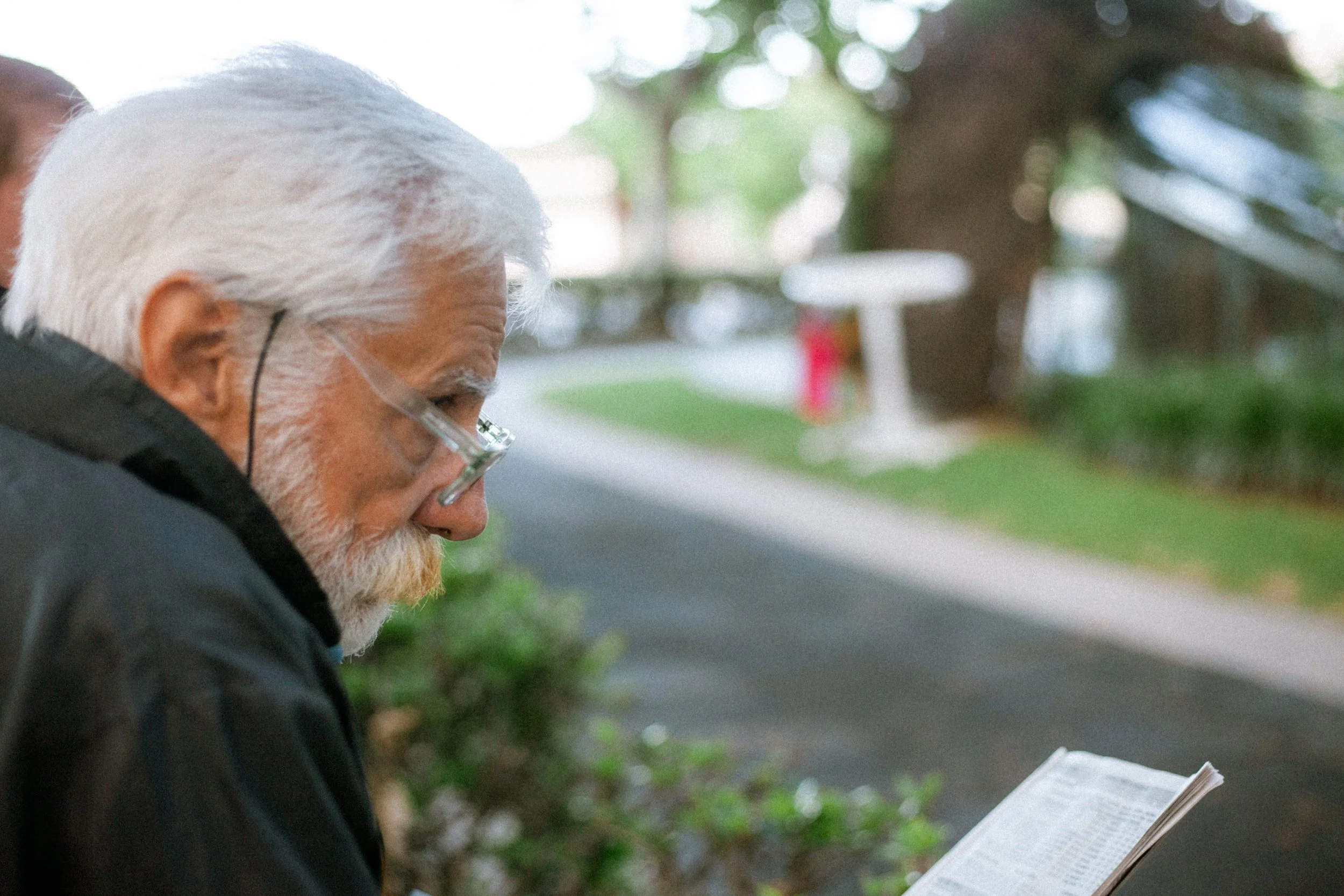
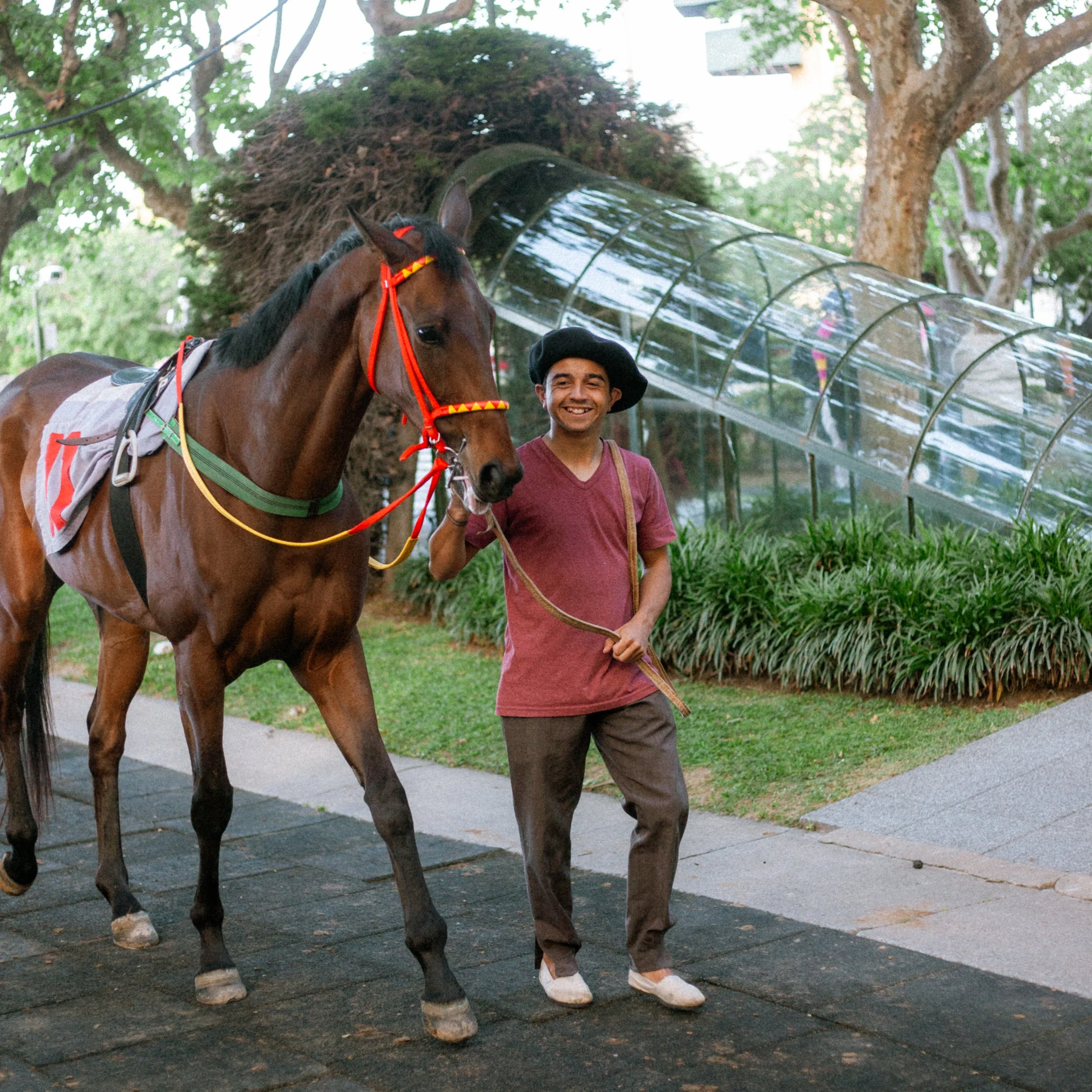
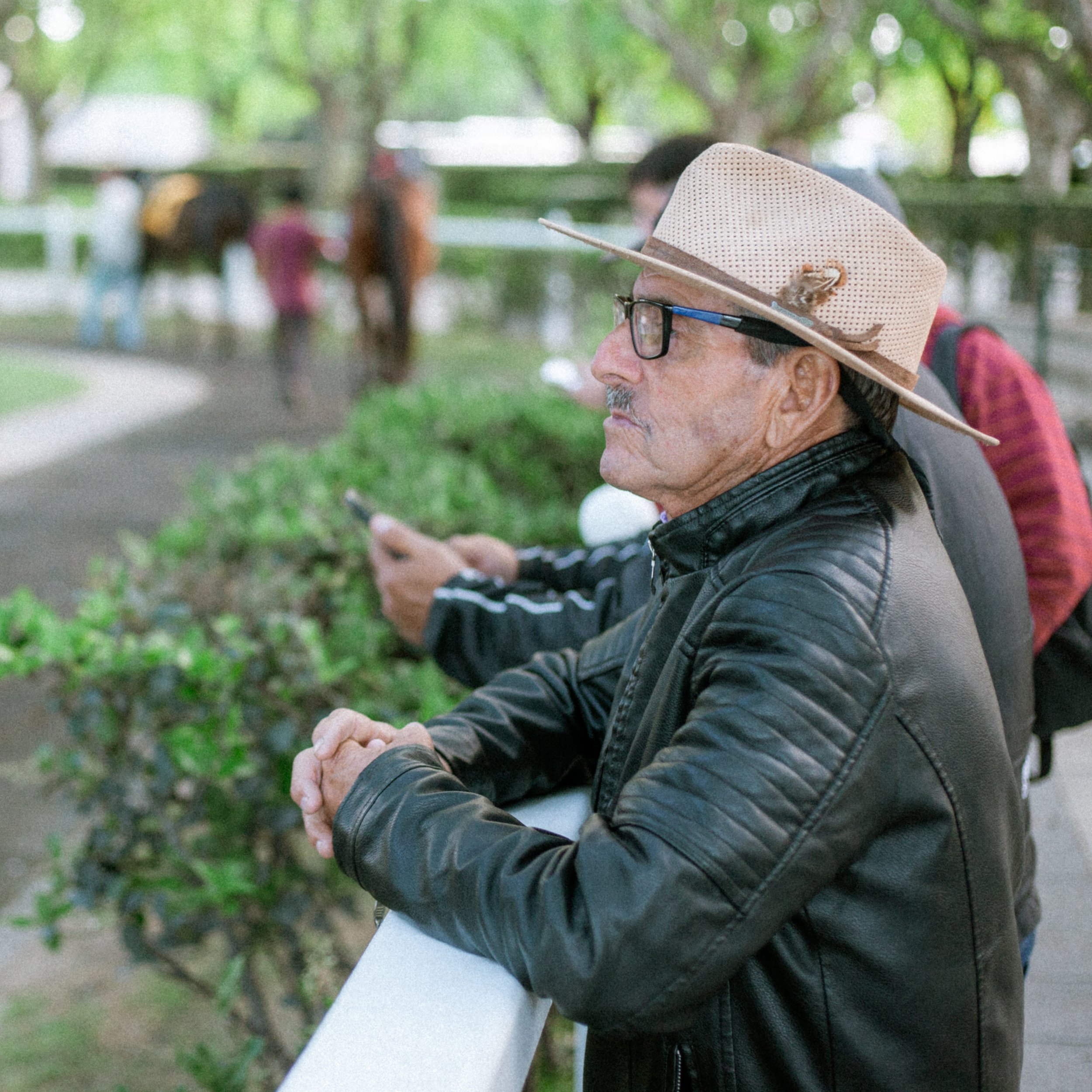
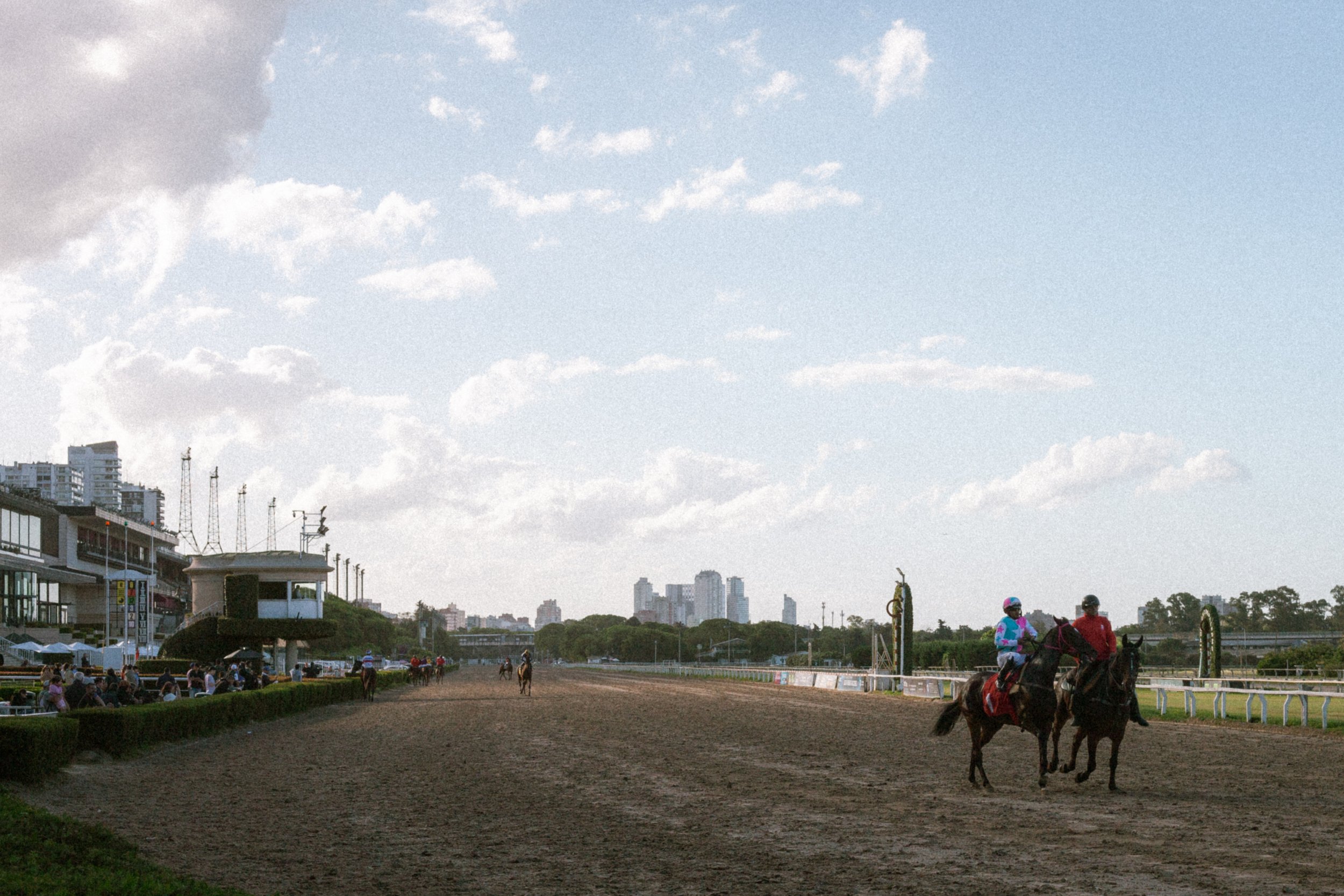
Another unique experience I had was visiting a horse racing track, a time capsule, another unique subculture, and a cocktail of strong emotions - you should’ve heard the elderly gentlemen shouting when the horses they bet on didn’t live up to their expectations!
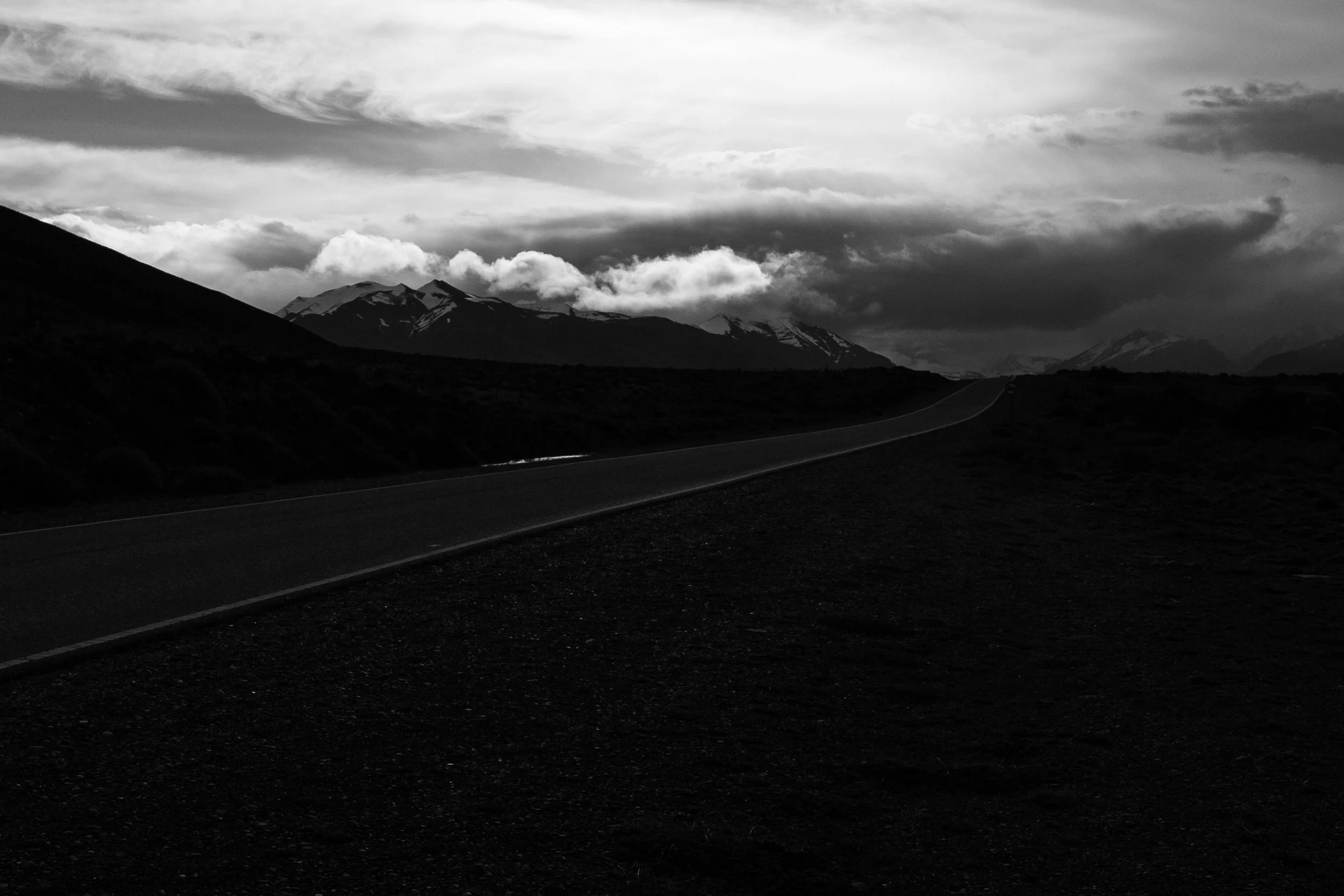
Even though we didn’t manage to go all the way to El Chalten, as initially planned, because of the weather, Patagonia left a lasting impression. And its monumental beauty looks particularly fitting in black and white.